
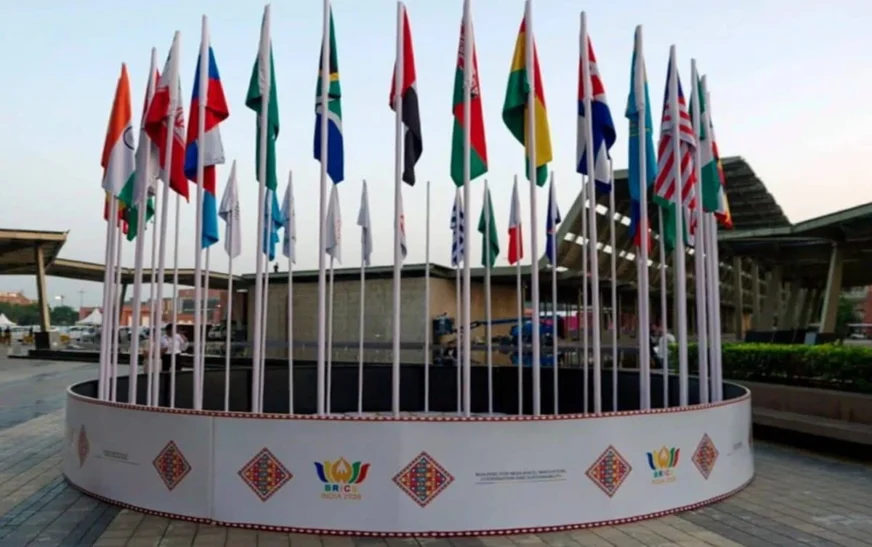
The BRICS bloc is putting reform of the global financial system at the centre of its economic agenda, with finance ministers and central bank governors calling for greater representation of emerging and developing economies in institutions such as the International Monetary Fund (IMF) and World Bank. The demand comes ahead of the BRICS Leaders’ Summit in New Delhi on September 12–13.
The argument behind the push is straightforward: the global economy has changed dramatically since the Bretton Woods institutions were created, but their decision-making structures have not fully kept pace with the growing economic weight of emerging markets. BRICS finance chiefs have therefore called for institutions to become more representative, transparent and accountable, including through greater quota and voting shares for emerging economies.
But the BRICS strategy goes beyond institutional reform. The bloc is also working to make cross-border payments faster, cheaper and more efficient by improving interoperability between national payment and messaging systems. Members are encouraging greater use of local currencies for trade and investment, although the group has stopped short of proposing a common BRICS currency.
This could become one of the most practical aspects of the BRICS financial agenda. Reducing payment friction could make trade between member countries easier while gradually lowering dependence on traditional dollar-based settlement channels.
The challenge, however, is implementation. BRICS economies have different financial systems, regulations, currencies and economic priorities. Building a genuinely integrated financial architecture will therefore require sustained technical and political coordination.
The New Delhi summit could mark an important step in that process. Rather than attempting to replace the existing global financial order overnight, BRICS appears to be pursuing a gradual strategy: demand a stronger voice inside institutions such as the IMF and World Bank while simultaneously building alternative financial connections among emerging economies.