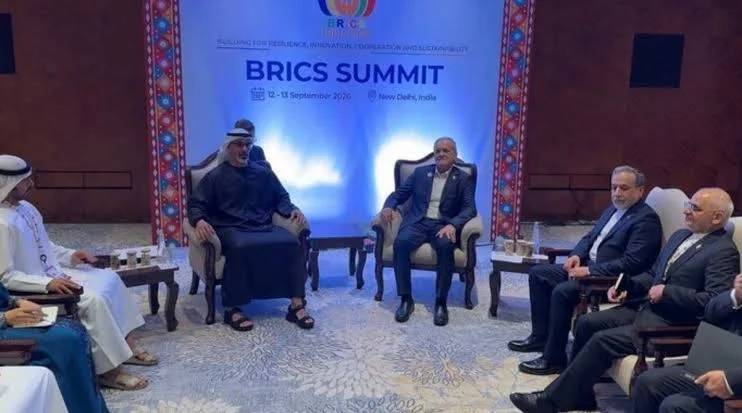

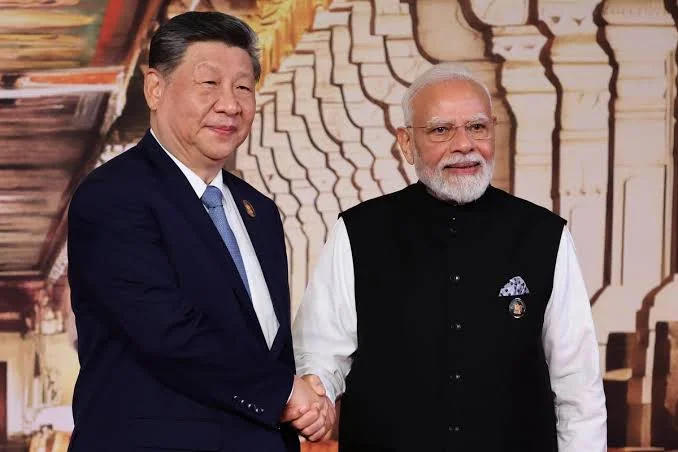
India’s leadership of the 18th BRICS Summit has placed Prime Minister Narendra Modi’s foreign policy strategy under renewed scrutiny. While New Delhi successfully brought diverse members together around the New Delhi Declaration, questions remain over whether India used its position strongly enough to project its traditional independent voice on the most contentious geopolitical issues.
The criticism centres largely on India’s cautious approach to the conflicts in West Asia and the broader contest between the United States, China and Russia. Chinese President Xi Jinping used the summit to promote BRICS as a stronger force for peace, dialogue and a multipolar international order. India, meanwhile, continued to emphasise inclusive global governance, development and strategic cooperation rather than positioning BRICS explicitly against the West.
That approach reflects a long-standing feature of Indian diplomacy: maintaining relationships with competing powers without becoming dependent on any one bloc. India continues to engage with the US and its partners while simultaneously maintaining deep ties with Russia and managing an increasingly complex relationship with China. Analysts describe this as strategic autonomy rather than neutrality.
However, the distinction is becoming harder to maintain. China wants BRICS to become a stronger counterweight to Western influence, while India has generally preferred the grouping to remain a flexible platform for Global South cooperation. That difference could increasingly shape the bloc’s future.
The real test for New Delhi is therefore not whether India should take sides, but whether strategic autonomy can continue to produce visible diplomatic outcomes. Securing consensus on terrorism, global governance and development is significant, but India’s credibility as an independent power will ultimately depend on whether it can articulate its own positions clearly—even when its major partners disagree.
For India, BRICS is no longer simply a diplomatic forum. It is becoming a test of how effectively New Delhi can balance ambition, autonomy and geopolitical pressure in an increasingly divided world.