

US President Donald Trump is reportedly “seriously considering” launching fresh military strikes against Iran if ongoing last-minute diplomatic negotiations fail to produce a breakthrough peace agreement, according to multiple international media reports.
Reports said Trump held a high-level meeting with senior national security advisers at the White House to discuss military options as negotiations with Tehran remain deadlocked over Iran’s nuclear programme, sanctions relief, and control of the Strait of Hormuz.
According to Axios and other reports, Trump is increasingly frustrated with the pace of diplomacy and is weighing renewed military action unless a last-minute agreement emerges. Officials said the US president has repeatedly reviewed strike options over the past several weeks but has so far held back from authorising another operation.
The latest developments come amid intensified diplomatic activity involving Pakistan, Qatar, Oman, and Gulf nations attempting to mediate between Washington and Tehran. Pakistan Army Chief Field Marshal Asim Munir reportedly arrived in Tehran for talks aimed at reducing tensions and securing a possible ceasefire framework.
Iran has meanwhile accused the United States of making “excessive demands” during negotiations and warned that any renewed aggression would trigger broader retaliation across the region. Iranian officials continue insisting that Tehran will not surrender its strategic interests or nuclear capabilities under pressure.
A major sticking point in the talks remains the Strait of Hormuz, through which nearly one-fifth of global oil supplies pass. The US has strongly opposed Iran’s reported plans to impose a tolling system on commercial shipping using the strategic waterway. Secretary of State Marco Rubio called any such move “unacceptable” and warned it could derail diplomatic efforts entirely.
Oil prices rose again on Friday as investors worried that another round of military conflict could further disrupt energy supplies and global shipping routes. Brent crude prices climbed above $105 per barrel amid uncertainty surrounding the negotiations.
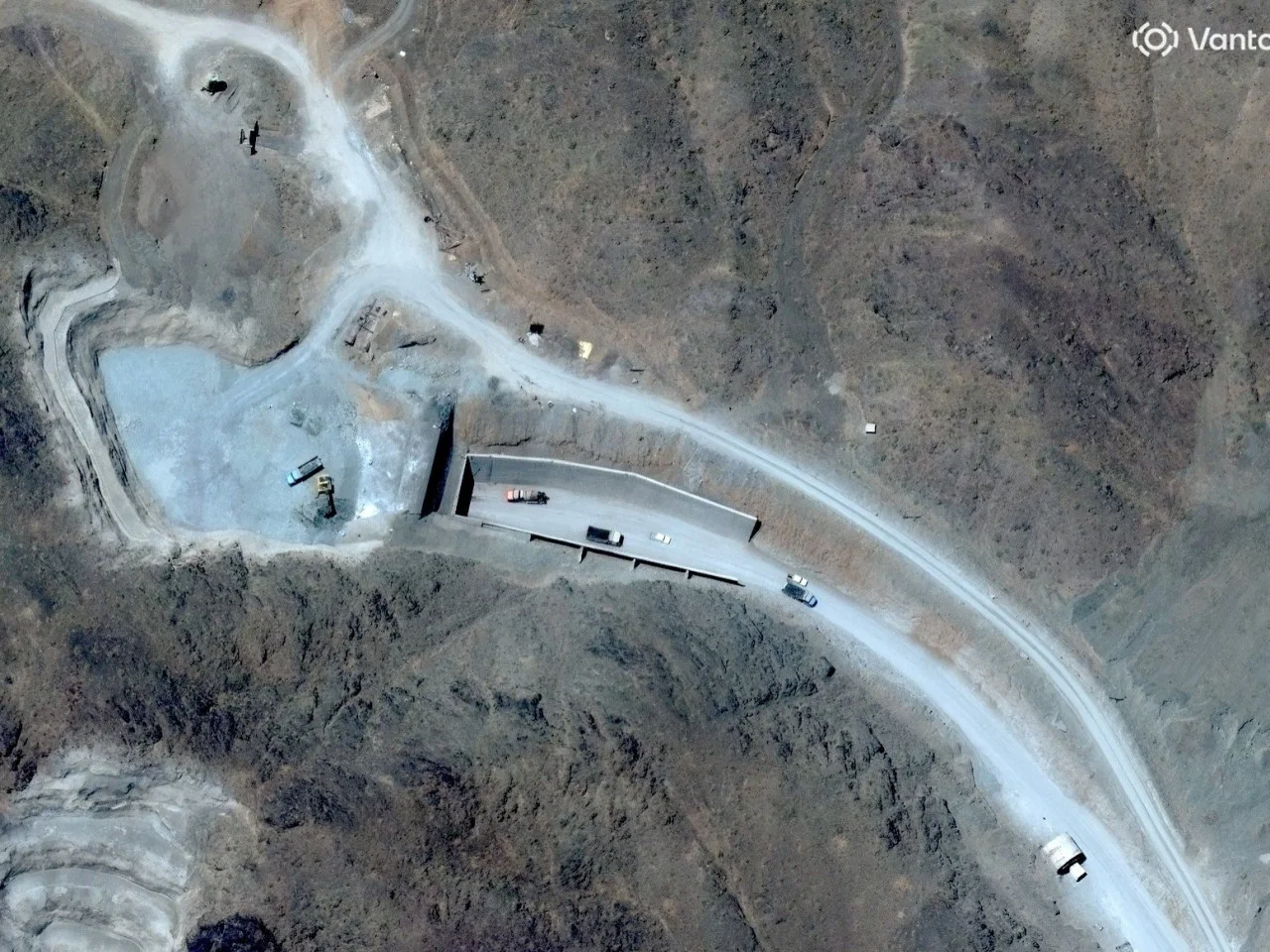
The current crisis traces back to the broader US-Iran conflict that escalated earlier this year following American and Israeli strikes on Iranian military and nuclear infrastructure. Since then, the region has remained highly unstable despite intermittent ceasefire efforts.
Reports also indicate that the US military has increased readiness levels in the Middle East, with some troop leave reportedly cancelled as the Pentagon prepares for possible escalation scenarios.
Despite the military rhetoric, diplomatic efforts are continuing behind closed doors. Analysts say Trump faces a difficult decision between accepting a compromise deal or risking a wider regional war that could severely impact global energy markets, inflation, and international trade.