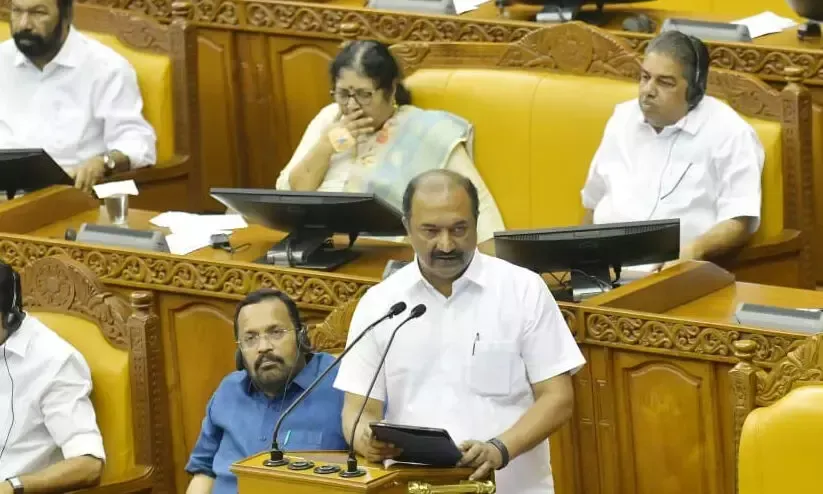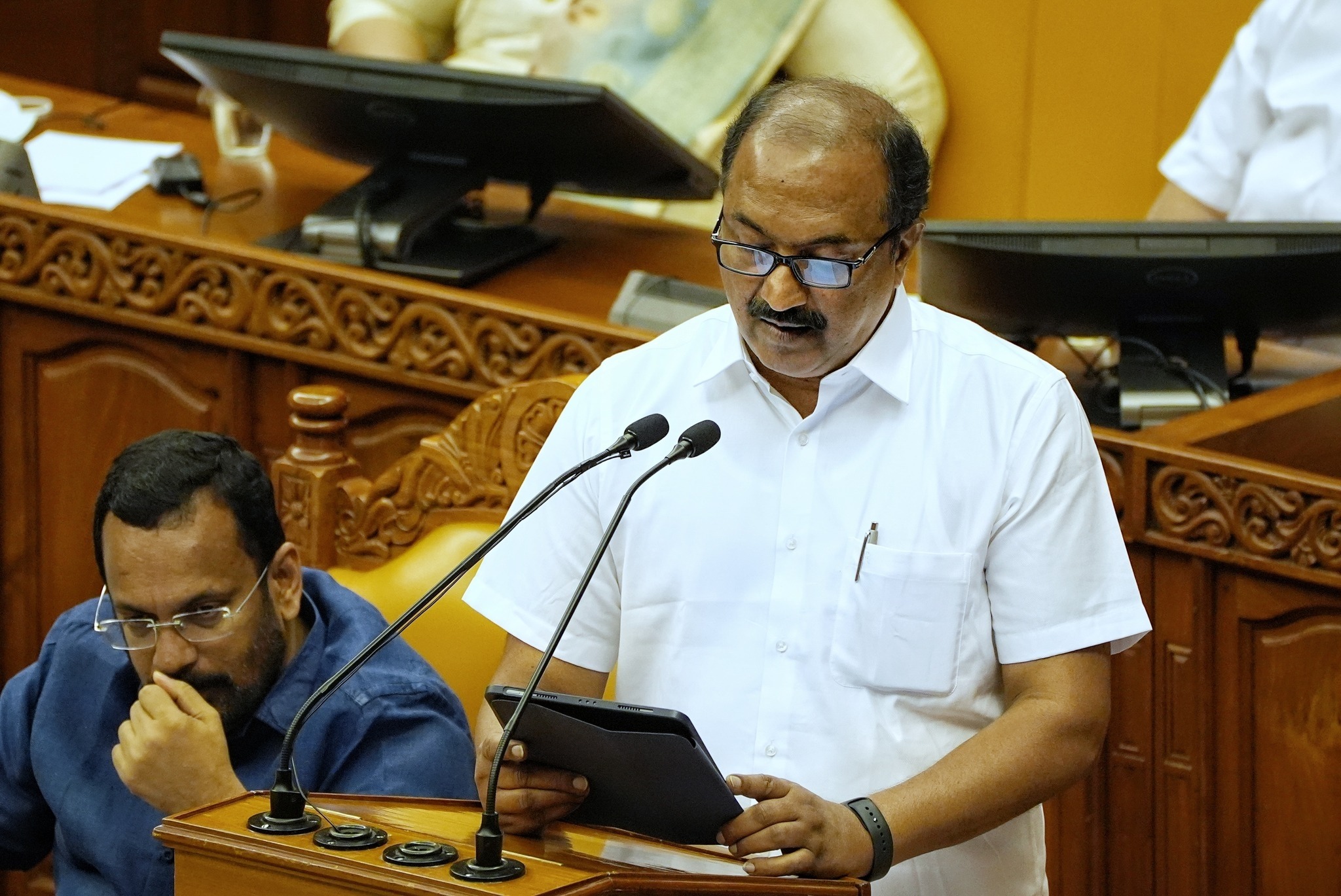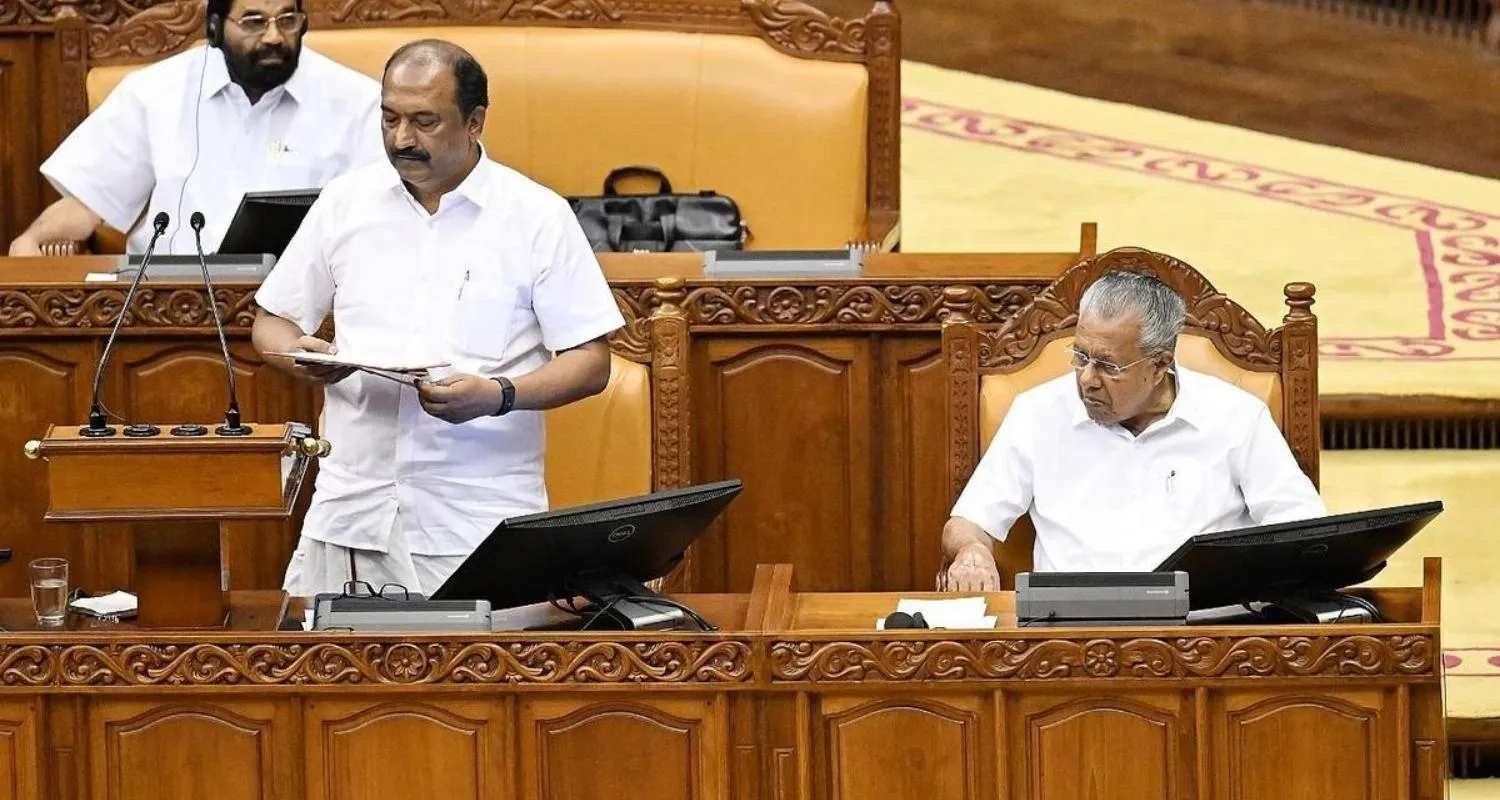

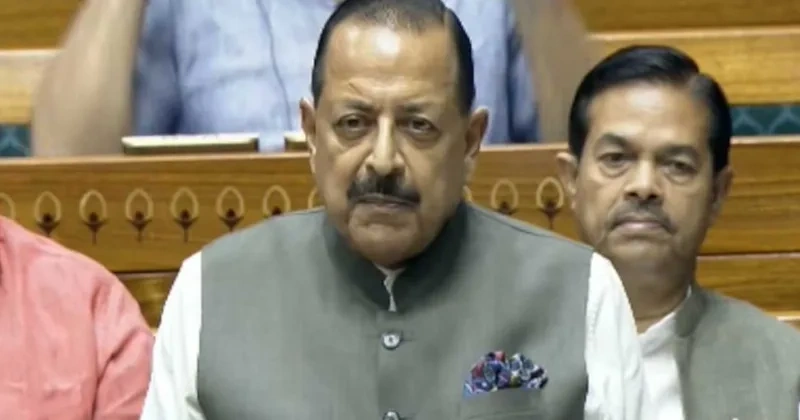
Union Minister of State Dr. Jitendra Singh introduced the Public Examinations (Prevention of Unfair Means) Amendment Bill, 2026 in the Lok Sabha, describing it as a “milestone legislation” that reaffirms the Central government’s commitment to safeguarding the future of students and ensuring fairness in public examinations. The Bill was introduced amid nationwide concern following the NEET-UG paper leak controversy and aims to significantly strengthen India’s legal framework against examination fraud.
Presenting the legislation, Singh said the amendments build upon the 2024 Anti-Paper Leak Act, making the law more stringent while ensuring quicker investigations and faster trials to restore confidence in India’s examination system.
Government Calls the Bill a Milestone for Students
Addressing the Lok Sabha, Jitendra Singh said the amendment reflects the government’s determination to protect the interests of students and prevent organised examination fraud.
He stated that the legislation demonstrates Prime Minister Narendra Modi’s resolve to ensure that no one is allowed to compromise the future of India’s youth. According to the minister, the amendments are designed to improve transparency, accountability, and credibility in public examinations conducted across the country.
Stricter Punishments Proposed
One of the key highlights of the amendment is the substantial increase in penalties for those involved in examination malpractices.
The Bill proposes:
- Imprisonment of 5 to 10 years for individuals involved in paper leaks.
- Maximum fine increased from ₹10 lakh to ₹50 lakh.
- For organised examination crime syndicates, imprisonment of 7 to 10 years and fines up to ₹10 crore.
- Service providers involved in paper leak offences could face fines up to ₹5 crore and an eight-year debarment from conducting public examinations.
The government believes these tougher penalties will act as a strong deterrent against organised cheating networks.
Special Task Force and Fast-Track Courts
To ensure swift action, the amendment proposes several structural reforms, including:
- Creation of a Special Task Force (STF) to investigate paper leak cases.
- Mandatory completion of investigations within two months.
- Establishment of Special Fast-Track Courts for examination-related offences.
- Completion of trials within three months after the filing of the chargesheet.
- Appointment of Special Public Prosecutors for these dedicated courts.
According to Jitendra Singh, speedy justice is essential for restoring public confidence in competitive examinations.
Reference to Earlier Examination Scams
During the debate, Singh argued that examination paper leaks were not a recent phenomenon. He cited several recruitment and entrance examination controversies from previous years, including incidents involving railway recruitment, engineering entrance examinations, AIIMS admissions, and various state-level recruitment tests.
The minister said the recurring nature of these incidents made it necessary for Parliament to enact dedicated legislation to tackle examination fraud comprehensively.
Opposition Raises Questions
While supporting stronger action against paper leaks, Opposition members criticised the government over the NEET-UG controversy and questioned why amendments were necessary only two years after the original law came into force.
Several MPs also demanded greater accountability for those responsible for the examination crisis and called for discussions on the handling of student protests during the NEET controversy.
Focus on Restoring Trust
The amendment comes as the government seeks to rebuild confidence in India’s public examination system after the NEET-UG paper leak sparked nationwide protests. Officials maintain that stronger legal provisions, time-bound investigations, and faster judicial proceedings will help prevent future examination fraud and ensure greater transparency.
If passed, the legislation will significantly strengthen India’s anti-paper leak framework while reinforcing safeguards for millions of students appearing for competitive examinations each year.