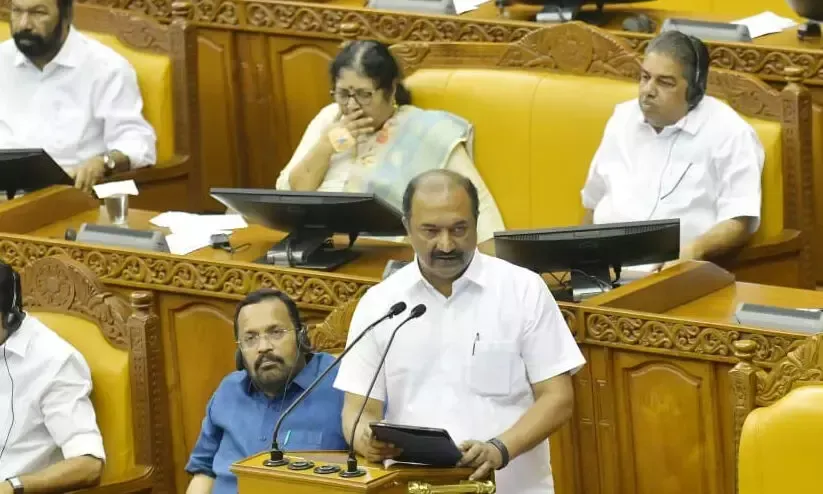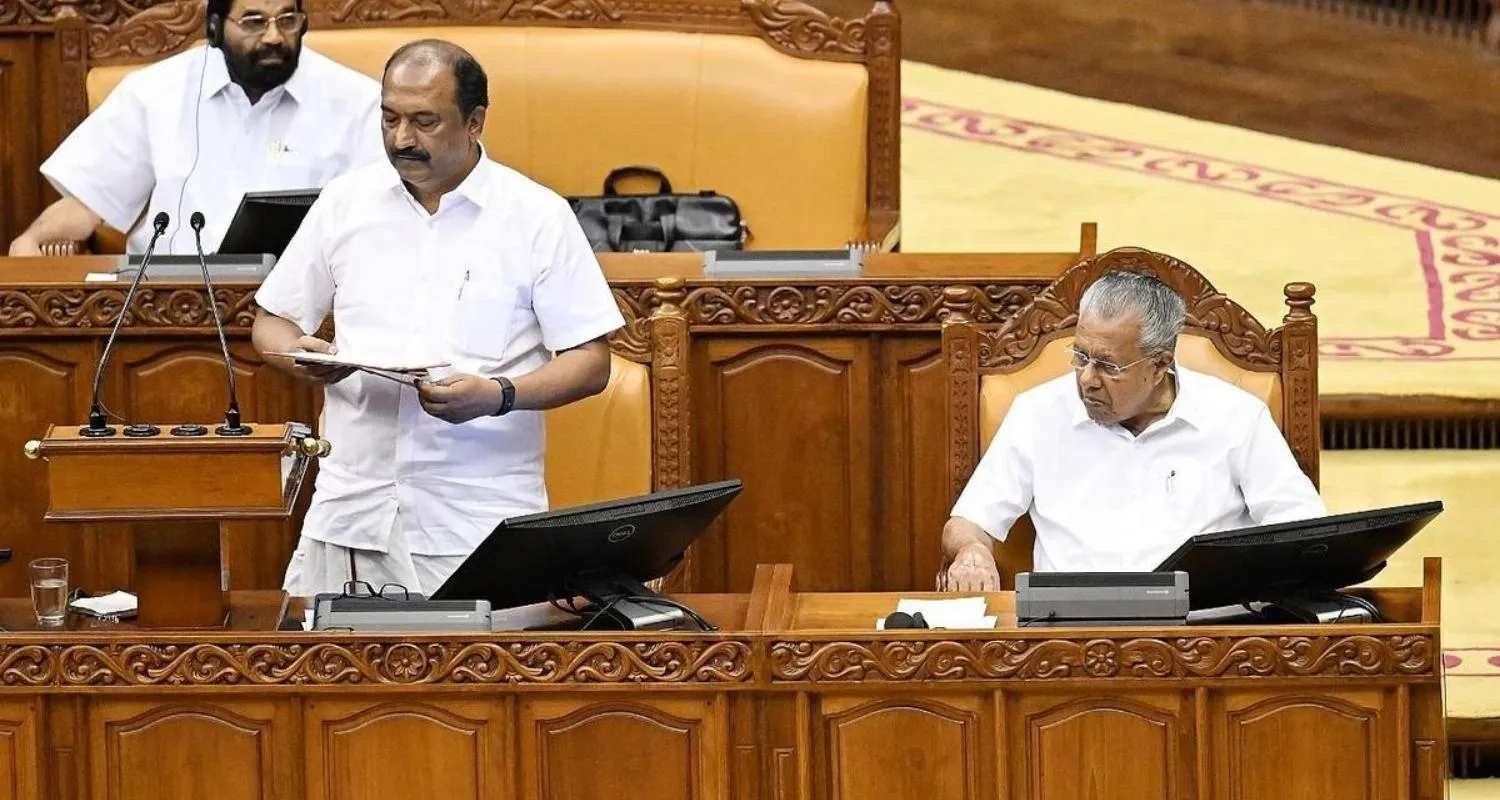

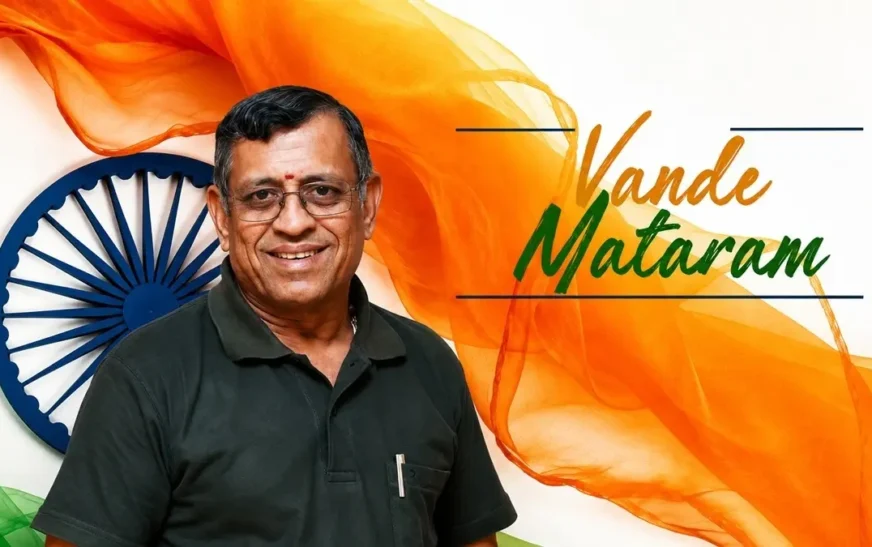
An opinion article by S. Gurumurthy argues that the Prevention of Insults to National Honour (Amendment) Bill, 2026 represents a continuation of India’s legal framework for protecting national symbols rather than a departure from past policy. The article draws a comparison between the 1971 law enacted during Prime Minister Indira Gandhi’s tenure and the Modi government’s move to extend similar legal protection to the National Song, Vande Mataram.
The piece presents the amendment as an effort to strengthen respect for national symbols and places it within the broader context of nationalism in India and comparable practices in countries such as Japan. It is an opinion article reflecting the author’s views.
What the Amendment Seeks to Do
According to the opinion article, the amendment extends the protections already available to the National Anthem, the National Flag, and the Constitution under the Prevention of Insults to National Honour Act, 1971 to include the National Song, Vande Mataram.
If enacted as described, intentionally insulting or disrupting the singing of Vande Mataram in situations covered by the law could attract penalties similar to those already applicable for insulting the National Anthem, including imprisonment of up to three years, a fine, or both.
Comparison Between Indira Gandhi and Narendra Modi
The author argues that there is continuity between the two governments’ approaches:
- 1971: Indira Gandhi’s government enacted legislation making intentional insults to the National Anthem a punishable offence.
- 2026: The Modi government seeks to extend comparable legal protection to Vande Mataram through an amendment to the same Act.
According to the article, the amendment is presented as building upon an existing legal framework rather than creating an entirely new concept of protection for national symbols.
Reference to Earlier Guidelines
The opinion also notes that the Union Home Ministry had earlier issued guidelines regarding the singing of Vande Mataram at official government events. It says those guidelines were challenged before the Supreme Court, which observed that they were administrative guidelines without penal consequences. The amendment, according to the author, seeks to provide a statutory basis for protection of the National Song.
India–Japan Comparison
Another theme of the article is a comparison between India and Japan in how nations preserve national identity and patriotic symbols.
The author argues that many countries maintain legal protections for symbols associated with national unity and contends that safeguarding such symbols helps strengthen national identity and social cohesion. The article uses Japan as an example in support of this broader argument.
A Matter of Public and Parliamentary Debate
The amendment has become part of a wider public discussion on the relationship between patriotism, freedom of expression, and legal protection for national symbols.
Supporters argue that extending legal protection to Vande Mataram reinforces respect for an important national symbol. Critics and legal observers have raised broader questions about the balance between safeguarding national symbols and protecting constitutional freedoms. The ultimate legal and constitutional implications will depend on the final text of the legislation and any future judicial interpretation.