
The extraordinary story of Saraswathi Rajamani—India’s young spy who fought in the shadows for freedom
History often remembers the generals who commanded armies and the leaders who inspired revolutions.
But hidden between those celebrated names are stories of extraordinary courage—stories of young people who risked everything without expecting recognition.
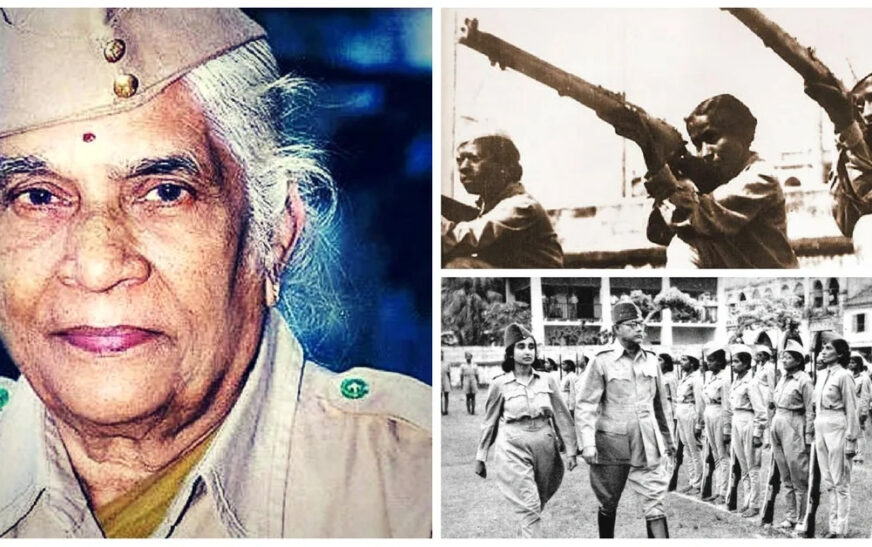
One such story belongs to Saraswathi Rajamani, widely remembered as one of the youngest operatives in Netaji Subhas Chandra Bose’s Indian National Army (INA) and recognised in several historical accounts as one of India’s first female spies. Long before intelligence agencies became institutions, she entered enemy territory armed not with weapons, but with courage, disguise and unwavering patriotism.
From Privilege to Patriotism
Born in Rangoon (now Yangon), Burma, into a wealthy Indian family, Saraswathi Rajamani enjoyed a life of comfort. Her father owned gold mines and actively supported India’s freedom movement.
Everything changed when she heard Netaji Subhas Chandra Bose speak.
His words stirred something far greater than youthful admiration—they awakened a lifelong commitment to India’s independence.
As a teenager, she donated all her jewellery to the Indian National Army. Moved by her determination, Netaji personally visited her home intending to return the jewellery, believing she had acted impulsively. Instead, the young girl insisted that every ornament be used for the nation’s freedom.
Impressed by her conviction, Netaji accepted the donation and gave her a new name—Saraswathi.
A Spy at Sixteen
Most sixteen-year-olds dream about their future.
Rajamani chose danger.
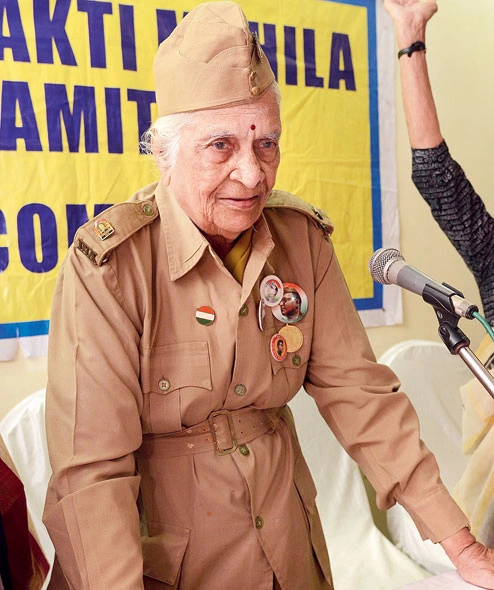
She joined the Rani of Jhansi Regiment, the women’s regiment of the INA, and soon became part of its military intelligence network.
Disguised as a boy and sometimes as a domestic worker, she infiltrated British-controlled areas, quietly collecting information on troop movements, military camps and enemy plans before carrying that intelligence back to the INA.
Her greatest weapon was never a gun.
It was the ability to remain invisible.
The Mission That Defined Her Courage
One mission would become legendary.
A fellow spy and close companion, Durga, was captured by British forces.
If she revealed the INA’s intelligence network under interrogation, countless lives—including those of fellow spies and possibly Netaji himself—could be endangered.
Rajamani refused to abandon her.
Disguised as Burmese dancers, she and another operative entered the prison, entertained the guards, secretly drugged them, and freed Durga.
Their daring escape was interrupted by gunfire.
Rajamani was shot in the leg.
Hiding Inside the Forest
Injured and pursued by British soldiers, Rajamani and her companions fled into the surrounding forest.
To escape capture, they climbed into a large tree, where they remained hidden for nearly two days despite hunger, pain and the constant danger of discovery.
For a young girl already wounded by a bullet, every passing hour demanded extraordinary courage.
Eventually, they returned safely to the INA camp.
The mission had succeeded.
Her friend was alive.
The intelligence network remained secure.
Recognition from Netaji
Acts of bravery rarely went unnoticed by Netaji Subhas Chandra Bose.
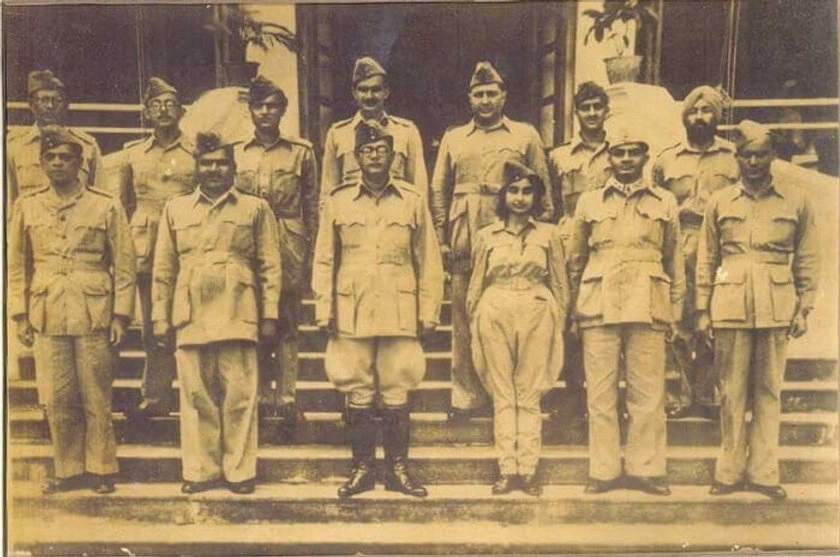
Following the successful rescue mission, Rajamani was promoted within the Rani of Jhansi Regiment and personally honoured by Netaji for her extraordinary courage and unwavering commitment to India’s freedom struggle.
For a young freedom fighter, there could have been no greater honour.
The Price of Freedom
Like many members of the Indian National Army, Rajamani’s sacrifices did not end with the war.
The INA eventually dissolved, and many of its members returned to lives far removed from the heroism that had once defined them.
Independent India celebrated many freedom fighters.
Yet countless stories like Rajamani’s remained absent from mainstream history for decades.
Only in recent years have historians and researchers begun to restore her rightful place among the remarkable women who silently helped shape India’s freedom movement.
More Than a Spy—A Lesson for Every Generation
Saraswathi Rajamani’s story is remarkable not because she became a spy.
It is remarkable because she discovered a purpose greater than herself.
At an age when most teenagers are trying to discover who they are, she had already decided what she was willing to sacrifice for.
Her life reminds us that courage is not born from age, wealth or physical strength. It is born from conviction.
There is perhaps another lesson hidden within her remarkable journey.
Throughout history, women have repeatedly demonstrated that when they are driven by purpose, they possess an extraordinary capacity to lead, endure, protect and inspire. Their strength is not merely physical—it is emotional, intellectual and deeply resilient.
Saraswathi Rajamani did not wait for someone to empower her.
She empowered herself by choosing a cause that was greater than fear.
That is perhaps the greatest message her life leaves behind.
In a world where many young people continue searching for direction, success and identity, her story reminds us that the most powerful transformation begins with finding a purpose worth living for—and, if necessary, worth sacrificing for.
A life without purpose drifts.
A life with purpose changes history.
And that is why Saraswathi Rajamani deserves to be remembered not merely as one of India’s earliest female spies, but as a young woman who proved that when conviction leads the heart, courage naturally follows.