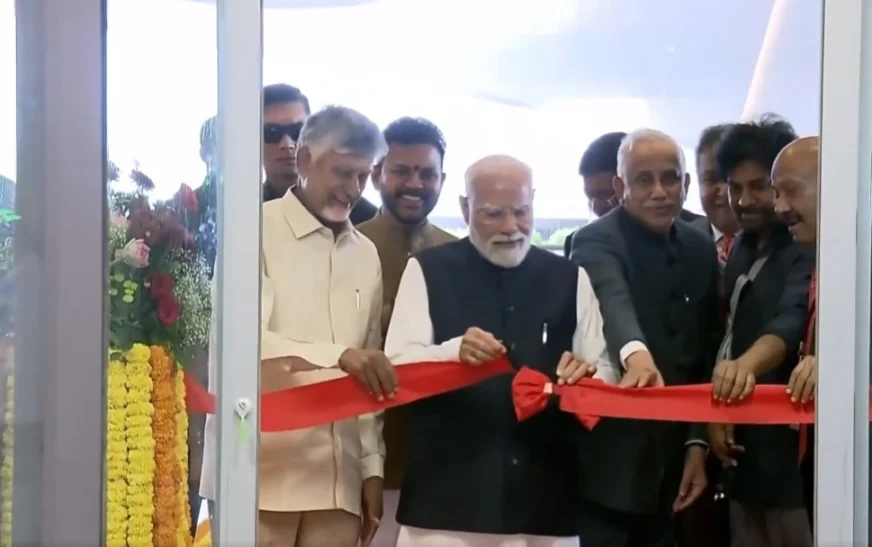

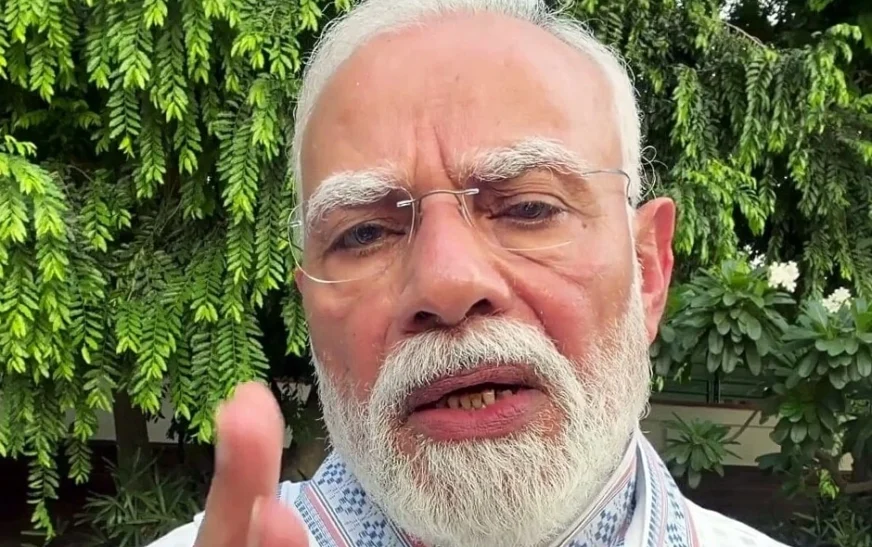
Prime Minister Narendra Modi has released a video message addressing the recent student protests, calling for restraint, compassion, and constructive engagement. Referring to some of the protesters as “misguided children,” the Prime Minister said that while it is difficult to guide someone who has gone astray, it is a responsibility that society must undertake rather than responding with anger or revenge.
The remarks came after protests over the examination paper leak issue, during which some participants were seen using abusive language against the Prime Minister.
‘Abuses Never Solve Anything’
In his video message, PM Modi emphasized that abusive language and hatred do not lead to solutions. He said that responding with patience and guidance is more meaningful than reacting with punishment.
According to the Prime Minister, society should focus on helping young people understand the right path instead of allowing anger to deepen divisions.
Appeal for Forgiveness and Guidance
PM Modi said he chose to forgive those who directed abusive remarks at him, describing them as young people who had been misled. He stressed that leaders, teachers, parents, and society have a shared responsibility to mentor and educate the younger generation rather than simply condemning them.
His message highlighted reconciliation and constructive dialogue over confrontation.
Context of the Protests
The statement follows nationwide protests triggered by the examination paper leak controversy. Demonstrations in several places turned tense, and clashes between protesters and security personnel were reported. The Centre subsequently announced a series of reforms, including proposed legislation with stricter penalties for exam-related offences, while discussions with student representatives led to the protests being called off.
A Call for Constructive Dialogue
The Prime Minister’s message concluded with an appeal for unity and positive engagement. He encouraged citizens to reject abusive language and instead promote understanding, responsibility, and dialogue when addressing differences.
The video has generated widespread discussion, with supporters highlighting its conciliatory tone while the broader debate over examination reforms and accountability continues.