
The traditional Onam sadya remains one of Kerala’s strongest culinary symbols, but the feast is no longer completely unchanged. As food preferences, lifestyles and dining habits evolve, the modern sadya is also adapting to the changing tastes of Malayalis.
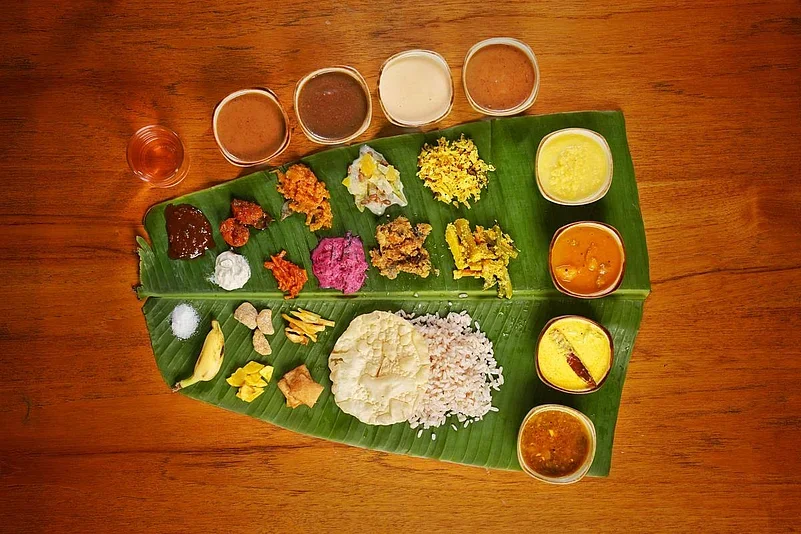
Onam is traditionally associated with a grand vegetarian feast served on a banana leaf. Rice, parippu, sambar, avial, thoran, olan, erissery, pachadi, kichadi, pickles, upperi, pappadam and a variety of payasams have historically formed the heart of the celebration. Yet contemporary dining culture is encouraging families, hotels and caterers to experiment with presentation, combinations and even the number of dishes served.
One of the most noticeable changes is the growing popularity of customised Onam sadya. Instead of following exactly the same menu across households, people are increasingly choosing dishes based on regional traditions and personal preferences. Some families prefer a smaller traditional feast, while restaurants and caterers may offer elaborate menus featuring a wider variety of preparations.
This evolution does not necessarily mean that tradition is disappearing. In many ways, it shows how Kerala’s food culture has always adapted to changing circumstances. The sadya itself has regional variations, with ingredients and preparations differing between northern, central and southern parts of the state.
Another factor influencing the modern Onam feast is urbanisation. Many Malayalis now live away from their ancestral homes or have limited time for elaborate cooking. This has created greater demand for ready-to-serve sadya packages, catering services and restaurant-based Onam meals.
The changing palate of younger generations is also influencing the feast. While traditional favourites remain popular, diners may expect different levels of spice, sweetness and variety. Restaurants are consequently experimenting with menu combinations while attempting to retain the identity of classic Kerala cuisine.
Payasam is another area where creativity is increasingly visible. Traditional varieties such as ada pradhaman and parippu payasam continue to have a strong place at the Onam table, while contemporary versions and new dessert combinations are appearing in restaurants and celebrations.
However, there is a fine balance between innovation and authenticity. The strength of the Onam sadya lies not simply in the number of dishes but in the cultural meaning attached to the meal. Eating together, serving food on a banana leaf and following the traditional sequence are all part of the experience.
The evolution of the sadya can therefore be seen as adaptation rather than abandonment of tradition. Kerala’s culinary culture is changing because Kerala itself is changing. Migration, global food influences, changing work patterns and new consumer preferences are naturally finding their way into festive cooking.
Ultimately, the modern Onam feast demonstrates that tradition does not always have to remain frozen in time. As long as the essential spirit of the sadya survives, new tastes and preparations can become part of its continuing story.
The Onam sadya may look different from one generation to another, but its central message remains unchanged: food brings people together, and Onam continues to turn that simple idea into one of Kerala’s most cherished celebrations.