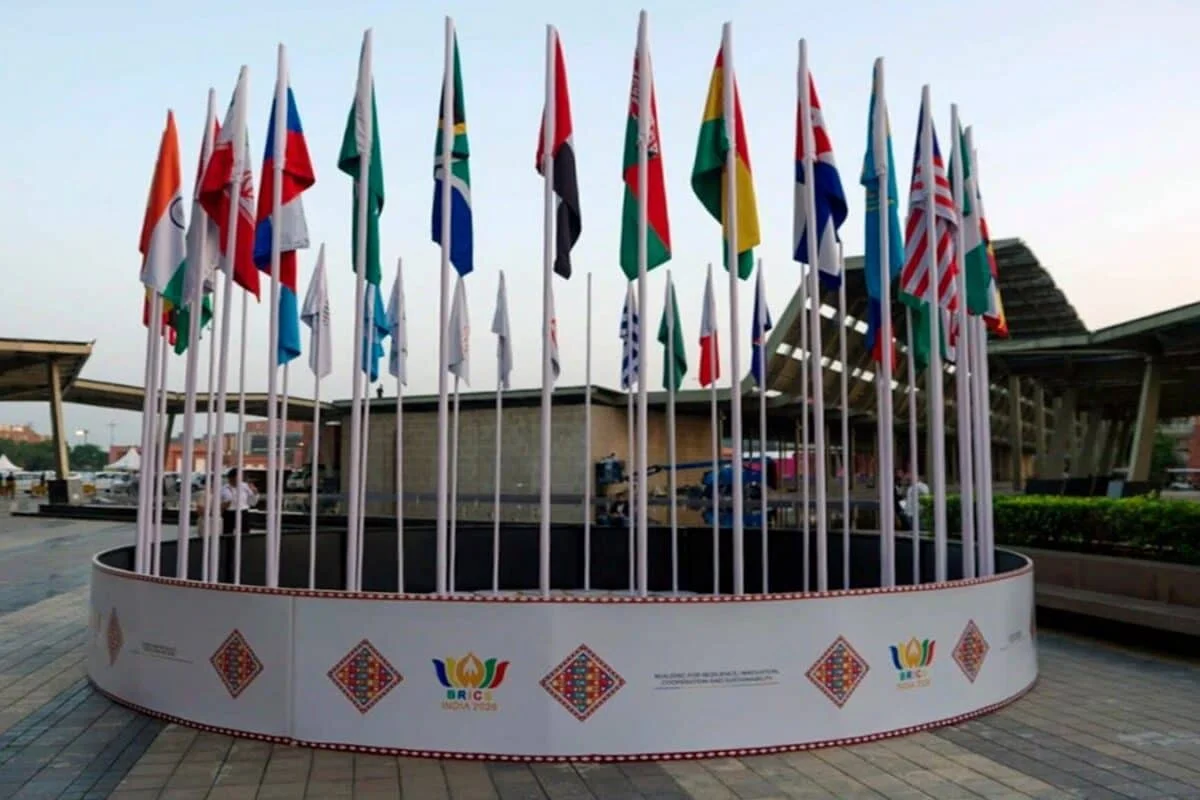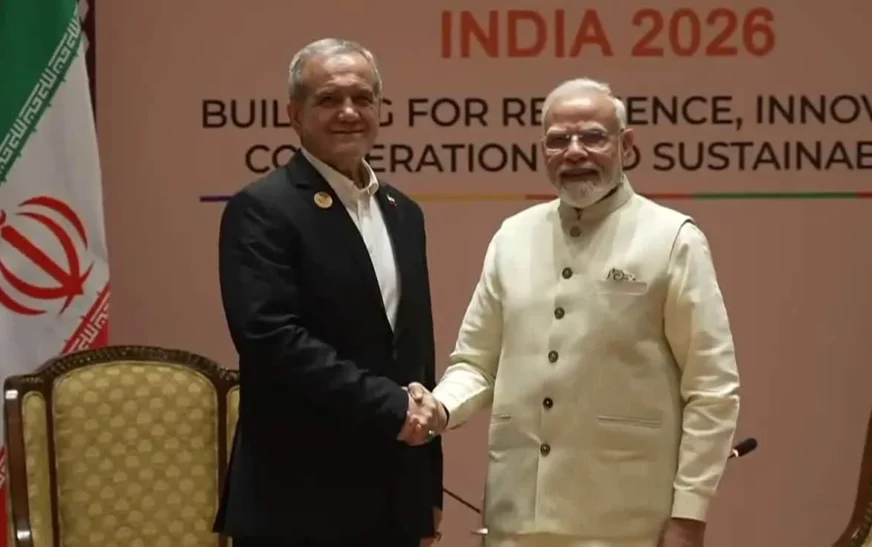

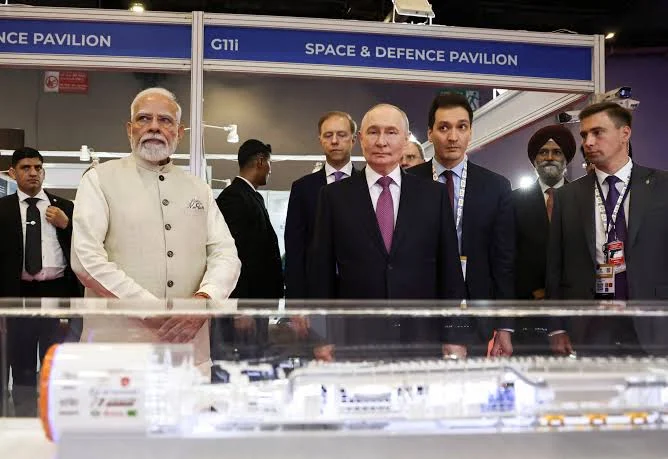
New Delhi has become the centre of high-level global diplomacy as the 18th BRICS Summit begins on September 12, bringing together leaders from an expanded grouping at a time of war, trade disruption and growing competition between major powers. Prime Minister Narendra Modi is hosting Russian President Vladimir Putin, Chinese President Xi Jinping, Iranian President Masoud Pezeshkian and other leaders for the two-day summit.
For India, the summit is as much a test of diplomacy as it is a platform for BRICS cooperation. New Delhi has placed resilience, innovation, cooperation and sustainability at the centre of its 2026 chairship, with food and energy security, technology, trade, supply chains and reform of global institutions among the major priorities.
The geopolitical backdrop makes the discussions considerably more difficult. The Russia-Ukraine war, conflicts in West Asia, disruptions around the Strait of Hormuz and continuing US-China tensions have created competing priorities among BRICS members. The expanded 11-member bloc now represents more than 40% of the world’s population, but its diversity also makes consensus harder to achieve.
India’s bilateral diplomacy could prove particularly important. Modi has already met Putin, discussing defence, energy, trade and regional conflicts, while Xi’s return to India after seven years creates another major diplomatic moment. India-China ties have improved since the 2024 border disengagement, but the relationship still carries unresolved strategic and economic tensions.
The summit’s eventual New Delhi Declaration will therefore be closely watched. For India, success may not mean forcing BRICS into a single geopolitical position. It could instead mean proving that countries with sharply different interests can still cooperate on practical economic and global challenges.