
The Asia Cup trophy controversy has continued after BCCI vice-president Rajeev Shukla said the Indian women’s team’s decision not to receive the trophy from Asian Cricket Council (ACC) chairman Mohsin Naqvi was a collective decision taken by the Board. Shukla also said Naqvi did not raise any objection after being informed of India’s position.
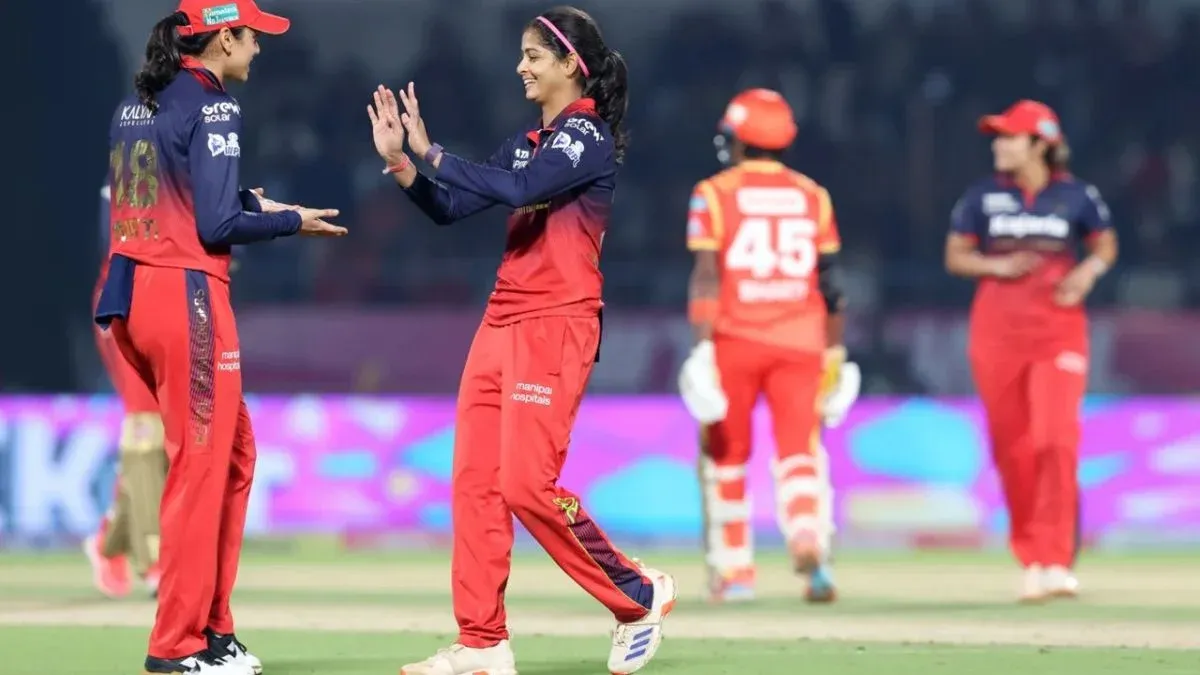
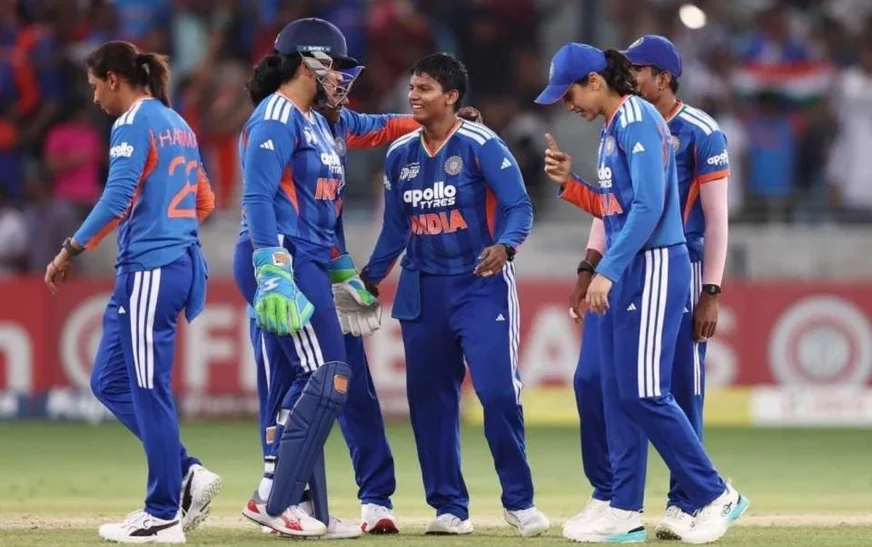
India defeated Sri Lanka by 72 runs in the Women’s Asia Cup final in Dubai on September 13 to claim a record-extending eighth title. However, the players did not participate in the trophy presentation involving Naqvi, who is also the chairman of the Pakistan Cricket Board. The ceremony ended without the Indian team receiving the championship trophy from the ACC chief.
Shukla said the BCCI had discussed the matter internally before communicating its position to the team. According to him, Naqvi did not object and subsequently presented the runners-up award before leaving the venue. The BCCI official also described interactions between Indian and Pakistani cricket administrators during the match as routine professional exchanges rather than a contradiction of the Board’s position.
The dispute is effectively a continuation of last year’s Asia Cup controversy. The Indian men’s team had similarly declined to accept the trophy from Naqvi after winning the 2025 tournament. BCCI secretary Devajit Saikia has said the Board’s position changed following the 2025 Pahalgam terror attack and that India’s stance had been communicated to the ACC beforehand.
At the same time, the BCCI has maintained that India will continue playing Pakistan in multinational competitions in accordance with government policy. That distinction is important: India is separating participation in international tournaments from ceremonial engagement with Pakistani officials.
The controversy therefore goes beyond a missing trophy presentation. It demonstrates how deeply political tensions have entered the sporting relationship between the two countries. For the BCCI, the latest decision represents institutional consistency; for the wider cricketing world, it raises questions about how long sporting events can remain insulated from bilateral tensions.
For now, India remains the champion on the field. The trophy dispute, however, shows that the politics surrounding India-Pakistan cricket are far from settled.