
Talks Fail, Markets React Swiftly
Global oil prices surged sharply above the $100 per barrel mark after high-stakes talks between the United States and Iran ended in a stalemate, reigniting fears of prolonged conflict in West Asia. The breakdown of negotiations has intensified geopolitical tensions, sending immediate shockwaves through global energy markets.
Brent crude climbed over 7% to cross $102 per barrel, while U.S. West Texas Intermediate (WTI) rose above $104, reflecting the market’s sensitivity to geopolitical instability.
Hormuz Flashpoint Drives Price Spike
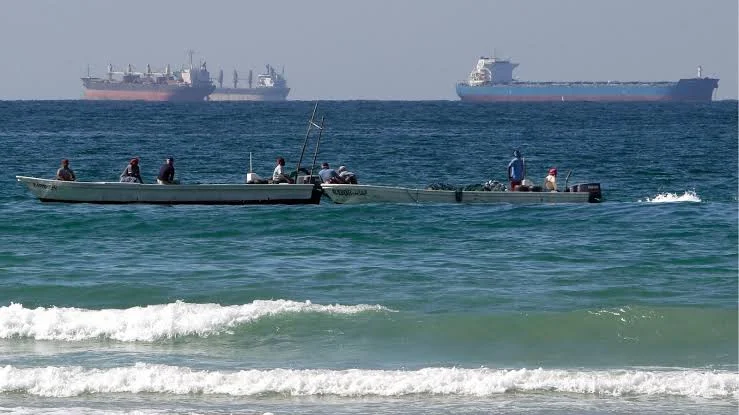
The primary trigger behind the surge is the escalating situation around the Strait of Hormuz, a critical artery for global oil supply. Following the collapse of talks, the United States signaled plans to enforce a naval blockade targeting Iranian oil exports.
Given that nearly 20% of the world’s oil flows through this narrow passage, any disruption immediately translates into supply concerns and price volatility.
Markets reacted not just to the blockade itself, but to the broader uncertainty surrounding the conflict and the potential for further escalation.
Geopolitical Risk Fuels Volatility
The failure of diplomacy has reversed earlier optimism that a ceasefire could stabilize oil prices. Instead, traders are now pricing in extended disruption, potential retaliatory actions, and continued uncertainty in global supply chains.
The oil market, already strained by months of conflict, is now entering a phase of heightened volatility, with analysts warning of sustained price pressures if tensions persist.
Global Economic Impact Deepens
The spike in crude prices is already affecting global markets. Equity indices have shown signs of decline, while inflation concerns are rising as higher energy costs begin to filter through economies.
For import-dependent nations, particularly in Asia, the surge could translate into higher fuel prices, increased fiscal pressure, and slower economic growth.
Editorial Note: Energy Markets on Edge
The return of oil above $100 is more than a price movement — it is a signal of deepening geopolitical instability.
With diplomacy faltering and strategic chokepoints under threat, energy markets are once again at the mercy of conflict.
Unless meaningful dialogue resumes, the world may be entering another phase of sustained energy uncertainty — where every negotiation carries the weight of global economic consequences.