
A Tribute That Echoes Through Time
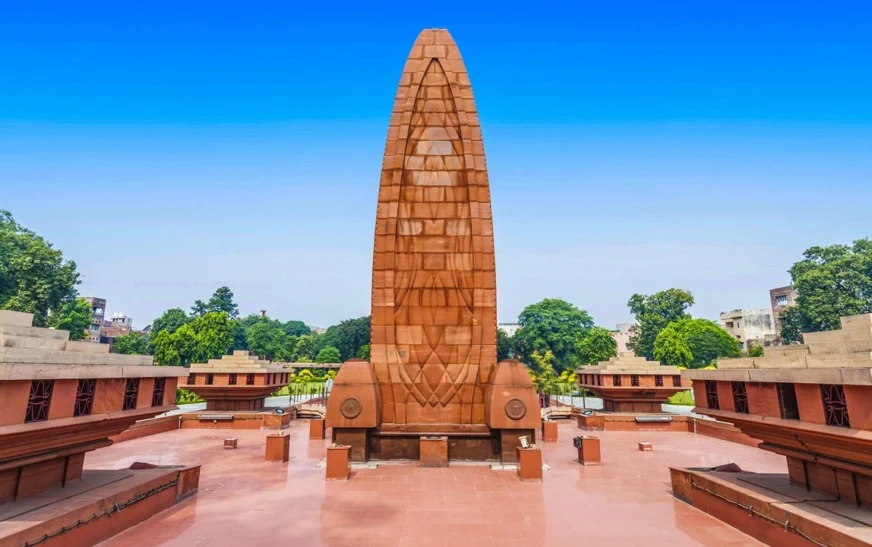
As the nation remembers one of the darkest chapters in its history, Droupadi Murmu paid heartfelt tribute to the martyrs of the Jallianwala Bagh Massacre, stating that a grateful India will always remain indebted to their sacrifice.
Her words serve as a reminder that remembrance is not merely ceremonial — it is a collective acknowledgment of a debt that can never truly be repaid.
A Tragedy That Shaped a Nation
On April 13, 1919, hundreds of unarmed Indians gathered at Jallianwala Bagh were mercilessly fired upon by British forces, marking one of the most brutal acts of colonial repression.
The massacre was not just an act of violence; it became a turning point that intensified India’s freedom struggle. The sacrifice of those who lost their lives strengthened the resolve of a nation determined to break free from oppression.
Sacrifice That Strengthened the Freedom Movement
President Murmu emphasized that the courage and sacrifice of the martyrs gave new momentum to India’s fight for independence.
Their silent resistance spoke louder than any words, inspiring generations of freedom fighters and citizens alike. Even today, their legacy continues to fuel the spirit of patriotism and national unity.
An Unfinished Chapter of Memory
More than a century later, the memory of Jallianwala Bagh remains deeply embedded in India’s consciousness. Yet, questions around the exact number of martyrs and their full recognition persist, reflecting the enduring pain associated with the tragedy.
This ongoing search for historical clarity only reinforces the magnitude of the loss and the importance of preserving their memory with dignity and accuracy.
A Debt Beyond Generations
“How can we ever forget?” is not just a question — it is a responsibility.
The martyrs of Jallianwala Bagh did not merely lose their lives; they ignited a movement that would eventually lead India to freedom.
As President Murmu rightly noted, the nation will forever remain indebted to them.