
A Promise Broken Once More
The long-awaited Women’s Reservation Bill—a reform that could have reshaped India’s political landscape—has once again been pushed into uncertainty. For decades, Indian women have waited for meaningful representation in legislative bodies. This was not just another bill; it was a promise of inclusion, empowerment, and equality. Today, that promise lies shattered.
Opposition’s Indifference Takes Centre Stage
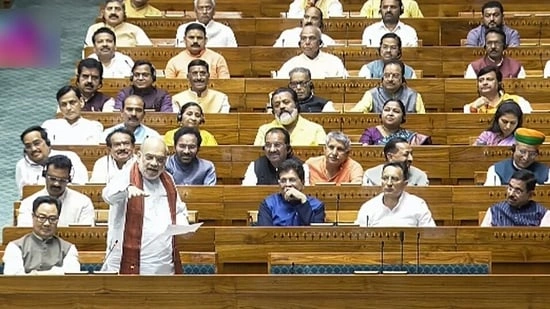
What stands out starkly in this episode is the visible lack of urgency from sections of the Indian National Congress and allied opposition voices. At a time when the nation looked forward to unity on a critical social reform, what unfolded instead was disruption, delay, and deflection. Political posturing overtook public interest, and the sentiment of millions of women was sidelined without hesitation.
While debates and disagreements are part of democracy, the repeated stalling of a bill of such importance raises serious concerns. Was this resistance rooted in genuine policy differences, or was it yet another instance of power politics overshadowing progress?
A Reform That Could Have Changed India
The bill’s intent is simple yet powerful—reserve 33% of seats in Parliament and state assemblies for women. The impact of such a move could have been historic. Increased female representation would not only diversify decision-making but also bring stronger focus on issues often overlooked—healthcare, education, safety, and social welfare.
Countries that have implemented similar reforms have witnessed tangible progress in governance and inclusivity. India had the chance to join that league, to lead by example. Instead, it hesitated—again.
Politics Over People
The events surrounding the bill expose a troubling pattern. Critical reforms are increasingly becoming victims of political calculations. Rather than building consensus, stakeholders chose confrontation. Rather than respecting the aspirations of women, they engaged in tactical delays.
Even as the government attempted to push forward despite resistance, the lack of collective will ensured that the bill could not move ahead decisively. In this clash of narratives, the real loss is not political—it is societal.
Women Left Waiting Yet Again
For the women of India, this is not just a legislative delay—it is a reminder of how easily their aspirations can be overlooked. The frustration is palpable. The patience is wearing thin. No one wants to wait any longer for what should have been a straightforward step towards equality.
This could have been a defining moment in India’s democratic journey. Instead, it has become a missed opportunity—one shaped by indifference, stalled by politics, and felt deeply by millions.
Once again, India’s women lose out.