
Rupee Strengthens in Early Trade
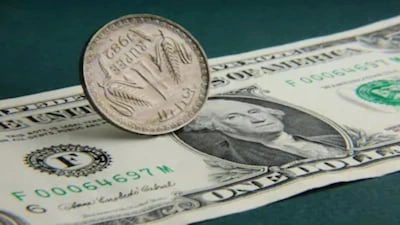
The Indian rupee opened on a positive note, rising 28 paise to 92.86 against the US dollar in early trade on Friday, reflecting improved market sentiment and easing global pressures.
At the interbank foreign exchange market, the rupee started at 92.93 and strengthened further, continuing its upward movement from the previous close of 93.14.
Geopolitical Easing Supports Currency
A key driver behind the rupee’s appreciation has been expectations of easing geopolitical tensions in West Asia, particularly signs of a potential slowdown in the ongoing conflict.
Developments such as a temporary ceasefire between regional players and calls for safe passage through critical trade routes like the Strait of Hormuz have contributed to improved global sentiment.
This has helped stabilise oil markets — a crucial factor for India, given its dependence on crude imports.
Foreign Inflows and Equity Gains Boost Sentiment
Another significant factor supporting the rupee is the return of foreign institutional investors (FIIs) into Indian equity markets.
Data indicates that foreign investors turned net buyers, injecting fresh capital and strengthening the domestic currency.
Domestic stock markets also reflected this optimism, with benchmark indices such as Sensex and Nifty opening higher in early trade.
Oil Prices Offer Temporary Relief
Global crude oil prices slipped below the $100-per-barrel mark, easing pressure on India’s import bill and supporting the rupee’s recovery.
However, analysts caution that volatility in oil markets — driven by geopolitical developments — could continue to influence currency movements in the near term.
Dollar Strength Limits Gains
Despite the rupee’s rise, the US dollar remains firm, with the dollar index showing marginal gains against major global currencies.
This strength could cap further appreciation of the rupee, keeping it within a narrow trading range.
Outlook: Stability with Caution
Market experts suggest that while the rupee’s current strength is encouraging, it remains sensitive to external factors such as oil prices, global risk sentiment, and capital flows.
The near-term trajectory will depend on how geopolitical developments unfold and whether foreign inflows sustain momentum.
For now, the rupee’s rise signals a temporary easing of pressure, but underlying global uncertainties continue to shape its path.