
Premier League Exit Reflects Season of Struggles and Missed Chances
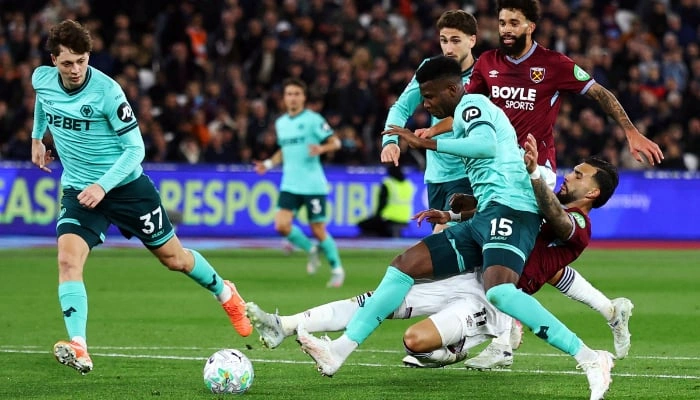
Wolverhampton Wanderers’ journey in the Premier League has come to an end, as the club was mathematically relegated following a goalless draw between West Ham United and Crystal Palace, confirming what had long seemed inevitable.
After eight seasons in England’s top flight, Wolves now return to the Championship, closing a chapter that once promised stability and growth but ultimately unravelled under a season of poor performances.
A Season That Slipped Away Early
The signs of trouble were evident from the very beginning.
Wolves endured a historically poor start, failing to win any of their opening 19 matches, a run that set the tone for the campaign.
By the time the season entered its final phase, the gap had become too wide to bridge. With just 17 points from 33 games, Wolves found themselves 16 points adrift of safety, sealing their fate with games still left to play.
Managerial Changes, Limited Impact
The club attempted to turn its fortunes around with managerial changes, but consistency remained elusive.
Under Rob Edwards, there were moments of improvement, including a few unexpected wins, but the overall trajectory of the season remained unchanged. Wolves struggled to find balance — both defensively and offensively — leaving them rooted at the bottom of the table for most of the campaign.
A Fall That Felt Inevitable
For months, relegation appeared less like a possibility and more like a slow, unfolding certainty.
Defeats piled up, confidence dipped, and the inability to convert chances or secure crucial points turned small setbacks into long-term damage. Even as rivals around them fought for survival, Wolves were unable to match the intensity required at this level.
Relegation brings with it more than just a change in division.
It signals a period of rebuilding — in squad, strategy, and identity. The Championship offers an opportunity to reset, but it also demands resilience, as the road back to the Premier League is rarely straightforward.