
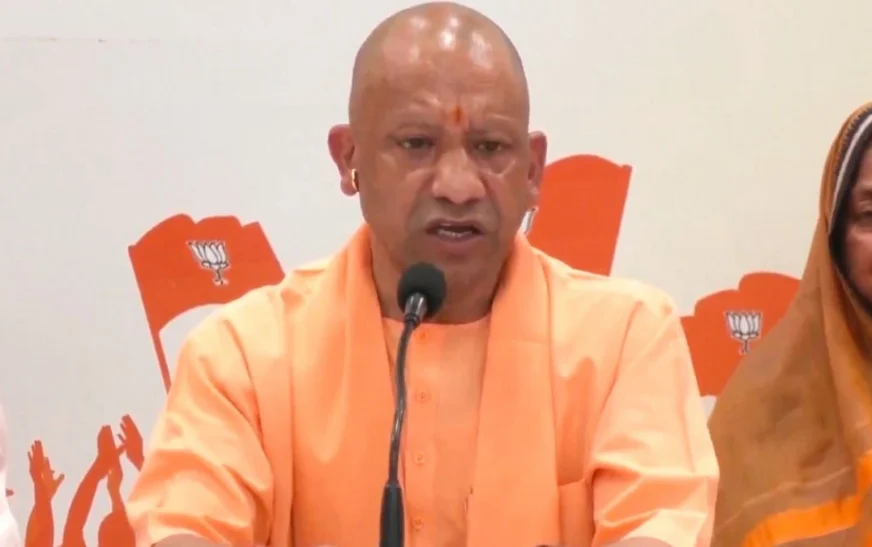
Uttar Pradesh Chief Minister Yogi Adityanath led a large “Jan Aakrosh Mahila Padyatra” (people’s anger march) in Lucknow on April 21, 2026, to protest the defeat of the Women’s Reservation (Nari Shakti Vandan) Amendment Bill in the Lok Sabha.
Purpose and Symbolism
The protest march, starting from the CM’s residence and heading to the Vidhan Bhavan, was framed as an expression of outrage against Opposition parties that blocked the constitutional amendment aimed at giving 33% reservation for women in Parliament and state assemblies, with Lok Sabha seats set to rise from 543 to around 816 by 2029. Organisers called it a “symbol of commitment” to women’s dignity, rights, and political representation rather than just a political demonstration.
Political Messaging
Adityanath described the bill’s defeat as a “dark chapter” in India’s democratic history and a “betrayal of women’s power,” accusing Congress, SP, TMC, DMK and allies of an “anti‑women mindset.” At the march, he and other BJP leaders projected the NDA as the sole champion of women’s empowerment, using the event to link farm‑doors and women’s household rights to the broader slogan of “Nari Shakti.”
Broader Campaign
The Lucknow padyatra is part of a wider NDA‑led nationwide backlash, with special Assembly sessions, resolutions, and rallies planned in UP and other states to keep the issue in the spotlight ahead of the 2029 general elections.