
The conflict between the United States and Iran has entered a new phase after Washington carried out another wave of military strikes targeting Iranian positions, while Gulf nations strengthened their security measures amid fears of a wider regional conflict. The latest escalation has increased concerns over the safety of shipping through the Strait of Hormuz, one of the world’s most important energy transit routes.
According to reports, the United States conducted its tenth consecutive night of airstrikes, focusing on military infrastructure that Washington says is being used to support attacks on commercial shipping and allied forces in the region. US officials have maintained that the operations are intended to protect international maritime trade and deter further Iranian military action.
Iran responded by continuing missile and drone operations against US-linked targets in the Gulf region. Reports indicated attacks targeting locations in Bahrain, Kuwait and Jordan, while Gulf countries activated air defence systems and intercepted several incoming projectiles. The developments have significantly raised regional security concerns and increased fears of a broader military confrontation.
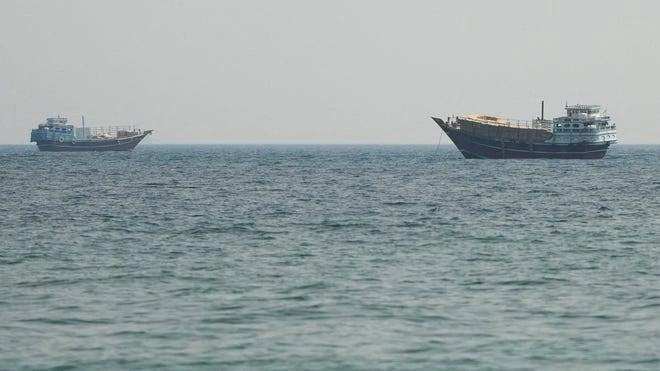
The Strait of Hormuz remains at the centre of the crisis. Iranian forces have claimed attacks on multiple commercial vessels transiting the strategic waterway, while shipping activity through the Gulf has slowed considerably because of rising security risks. Maritime tracking data also indicates a decline in tanker movements as shipping companies reassess routes and insurance costs.
In response to the deteriorating security situation, the United States has reinforced its military posture across the Gulf, including deploying additional Patriot air defence systems and strengthening the protection of American personnel stationed in partner countries. Authorities in Bahrain and other Gulf states have also increased security around military installations and critical infrastructure as a precautionary measure.
US President Donald Trump warned that Iran would face severe consequences for attacks on American personnel and allies, reiterating that Washington would continue military operations until threats to regional security and international shipping are addressed. The White House has also emphasised its commitment to keeping the Strait of Hormuz open for global commerce.
Meanwhile, diplomatic efforts continue behind the scenes. Regional mediators, including Oman, Qatar, Egypt and Pakistan, are reportedly working to secure a temporary ceasefire and reopen negotiations aimed at reducing tensions. However, with both Washington and Tehran continuing military operations, no breakthrough has yet been announced.
The prolonged conflict has also affected global energy markets. Oil traders remain concerned that any disruption to traffic through the Strait of Hormuz could impact crude supplies worldwide. Although exports have continued, shipping volumes have fallen and freight costs have risen as companies weigh the risks of operating in the region.
As the military standoff continues, governments across the Middle East remain on high alert while the international community closely monitors developments. With strategic shipping routes under pressure and diplomatic negotiations still uncertain, the US-Iran conflict continues to pose significant geopolitical and economic challenges for the region and the wider world.