
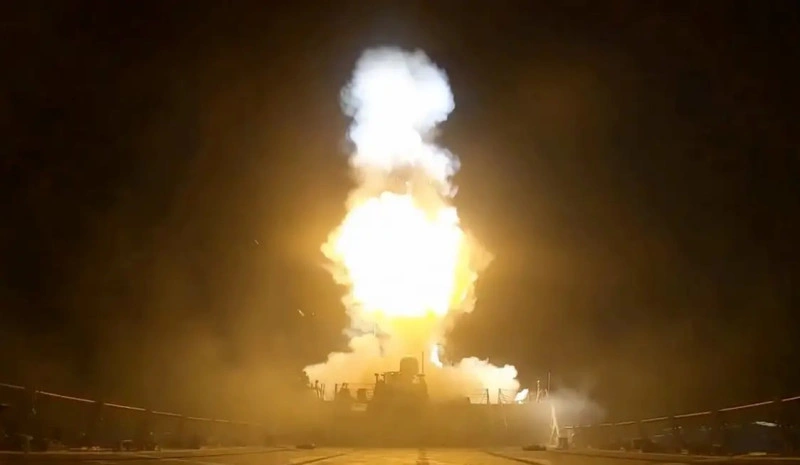
The United States has launched a ninth consecutive day of airstrikes on Iranian targets, intensifying one of the most dangerous confrontations in the Middle East in recent years. The latest military action came as US officials confirmed the death of another American service member, further escalating tensions between Washington and Tehran.
According to US military officials, the latest wave of strikes targeted Iranian military infrastructure linked to missile launches, drone operations and command facilities. Washington said the operations are aimed at weakening Iran’s ability to threaten US forces and disrupt international shipping lanes in the Persian Gulf.
The conflict has continued to widen beyond Iran. Yemen’s Iran-backed Houthi rebels announced a naval blockade on Saudi Arabia, threatening commercial shipping through the Bab el-Mandeb Strait, one of the world’s busiest maritime trade routes. The move follows ongoing disruptions in the Strait of Hormuz, raising fears that nearly one-fifth of global oil supplies could be affected if both strategic waterways face prolonged instability.
Saudi Arabia condemned the Houthi announcement and warned of a military response if commercial shipping is targeted. Regional governments have increased naval patrols and air defence operations as insurance costs for vessels operating in the Gulf continue to rise. Energy markets also reacted to the latest developments, with oil prices remaining volatile amid concerns over potential supply disruptions.
Iran has continued retaliatory operations against US-linked interests across the region. Missile and drone attacks have been reported against military facilities and allied positions in several Gulf countries, while commercial vessels operating near the Strait of Hormuz have also faced security threats. Maritime authorities are closely monitoring tanker movements as shipping companies reassess routes through the region.
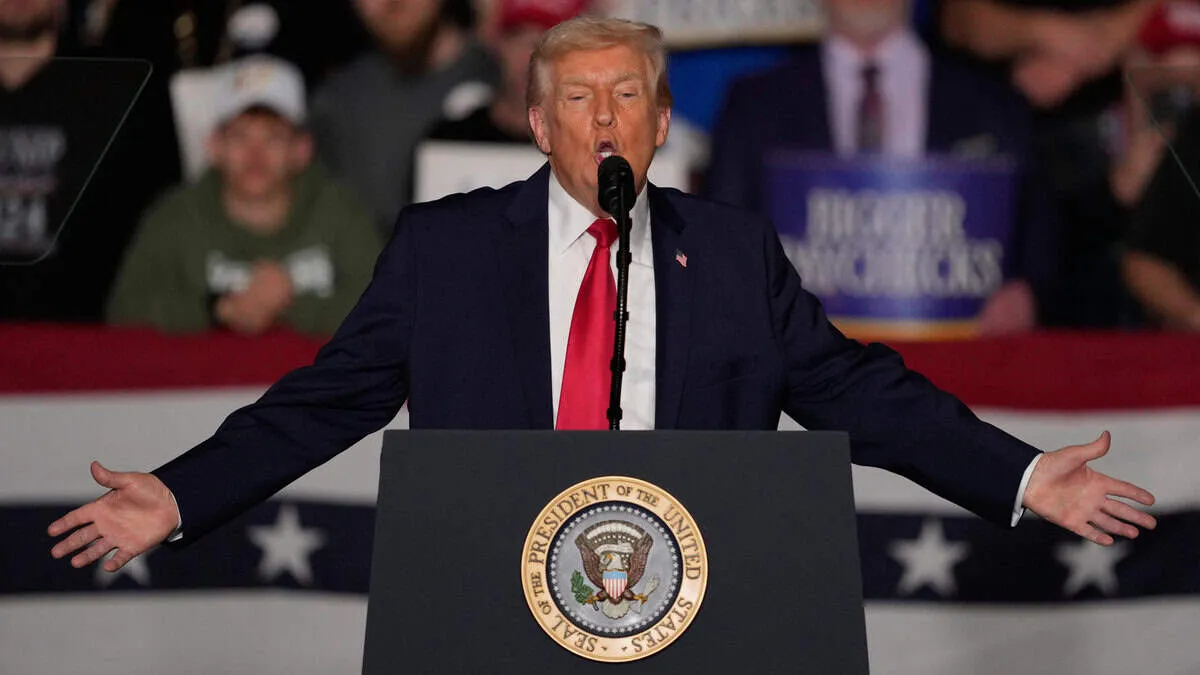
US President Donald Trump reaffirmed that military operations would continue until American personnel and international shipping are adequately protected. He also paid tribute to the American service members who have lost their lives during the conflict, stating that the United States would respond decisively to any further attacks on its forces.
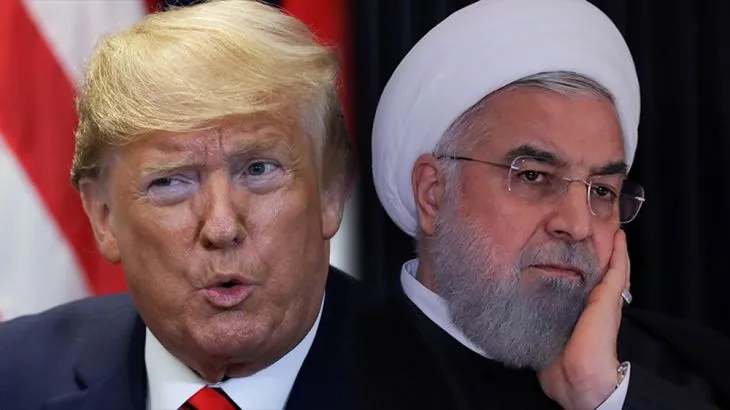
Despite the ongoing military campaign, diplomatic efforts have not completely stalled. Mediators from several regional countries continue to explore proposals for a temporary ceasefire aimed at reducing hostilities and reopening negotiations between Washington and Tehran. However, with both sides continuing military operations, prospects for an immediate breakthrough remain uncertain.
The escalating conflict is increasingly being viewed as a major threat to global energy security and regional stability. Continued attacks on strategic waterways, military installations and commercial shipping have heightened concerns among governments and businesses worldwide. As the United States presses ahead with its military campaign and Iran maintains its retaliatory posture, the Middle East remains on high alert, with fears that the conflict could expand further if diplomatic efforts fail.