

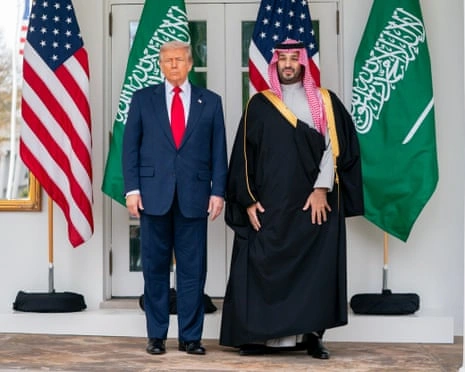
The United States and Saudi Arabia have signed a landmark 30-year civilian nuclear cooperation agreement, marking one of the most significant strategic partnerships between the two countries in recent years. The deal aims to help Saudi Arabia develop a civilian nuclear energy industry using American technology while strengthening economic and geopolitical ties between Washington and Riyadh. However, the agreement has also sparked intense debate over nuclear proliferation and regional security in the Middle East.
The agreement is expected to support Saudi Arabia’s long-term plan to diversify its energy mix, reduce dependence on oil for domestic electricity generation, and free more crude oil for export. It also gives American nuclear companies a leading role in building reactors and related infrastructure in the Kingdom, limiting opportunities for competitors such as China and Russia.
What Does the Agreement Include?
The deal establishes a framework for peaceful nuclear cooperation under which the United States will provide technology, expertise, and support for Saudi Arabia’s civilian nuclear program.
One of the most closely watched aspects of the agreement is the possibility that Saudi Arabia could eventually enrich uranium domestically. Uranium enrichment is necessary for producing fuel for many civilian nuclear reactors, but the same technology can also be adapted to produce weapons-grade material if enriched to much higher levels. A joint US-Saudi study will assess over the next two years whether domestic enrichment is necessary for the Kingdom’s nuclear program.
Why Are Experts Concerned?
The agreement has generated concern because it differs from previous US nuclear cooperation deals that imposed stricter non-proliferation conditions.
For example, the United Arab Emirates accepted the so-called “gold standard” agreement, under which it agreed not to enrich uranium or reprocess spent nuclear fuel. Saudi Arabia has not accepted those same restrictions, leading many arms control experts to warn that the new agreement could weaken long-standing US non-proliferation policy.
Critics argue that allowing enrichment capability—even for civilian purposes—could provide Saudi Arabia with technology that might one day be diverted toward military applications if regional security conditions change.
Regional Security Implications
The agreement comes at a time of heightened tensions across the Middle East, particularly between Saudi Arabia and Iran.
Security analysts warn that if Saudi Arabia develops domestic uranium enrichment capabilities, neighboring countries could pursue similar programs, potentially triggering a regional nuclear competition. Saudi officials have previously stated that if Iran were to acquire nuclear weapons, the Kingdom would consider matching that capability, making the latest agreement especially sensitive.
The deal also arrives amid ongoing conflicts involving Iran-backed groups across the region, adding to concerns that strategic rivalries could increasingly influence civilian nuclear development.
Economic and Strategic Benefits
Despite the controversy, supporters argue that the agreement offers substantial economic and strategic advantages.
Saudi Arabia expects nuclear energy to help meet rising electricity demand while supporting its Vision 2030 economic diversification agenda. For the United States, the deal strengthens a long-standing strategic partnership, creates opportunities for American nuclear companies, and helps prevent Saudi Arabia from turning to rival suppliers such as China or Russia for nuclear technology.
Congressional Review Ahead
The agreement will undergo review in the US Congress under the framework governing civilian nuclear cooperation agreements. While lawmakers can object, blocking the agreement would require overcoming significant procedural hurdles, making it difficult to stop unless there is broad bipartisan opposition.
A Deal With Long-Term Global Impact
The US-Saudi civilian nuclear agreement represents a major shift in Middle East energy and security policy. While it promises to advance Saudi Arabia’s clean energy ambitions and deepen bilateral cooperation, questions over uranium enrichment and nuclear safeguards are likely to remain at the center of international debate. The outcome of future oversight, regulatory safeguards, and regional diplomacy will determine whether the agreement becomes a model for peaceful nuclear cooperation or a source of renewed geopolitical tension.