
Understanding youth activism, political influence, and the responsibility of informed participation
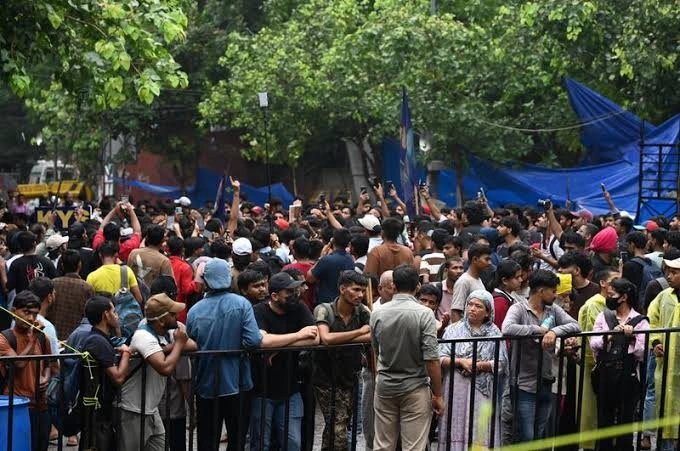
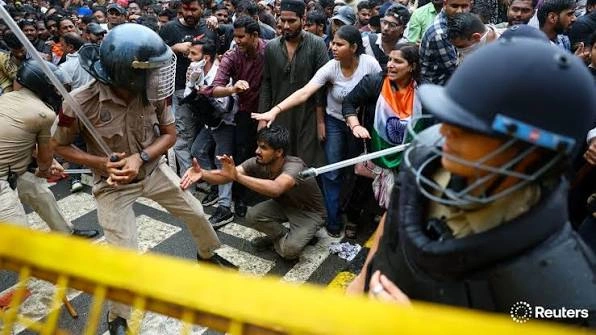
Across India, young people have become an increasingly visible force in public demonstrations on issues ranging from education and employment to governance, environmental concerns, and social justice. Social media has amplified their voices, allowing movements to gain national attention within hours.
At the same time, questions often arise about the extent to which political organizations, advocacy groups, and other interests influence student-led protests. This makes it important to examine not only why young people protest, but also how they can participate in democratic processes responsibly and independently.
The Rise of Gen Z as a Political Voice
Gen Z is the first generation to grow up with smartphones, social media, and instant access to information. Their awareness of national and global issues has increased significantly, but so has their exposure to misinformation, selective narratives, and emotionally charged online content.
Digital platforms have made mobilization easier than ever before, allowing protests to grow rapidly across cities and campuses.
When Student Concerns Meet Political Interests
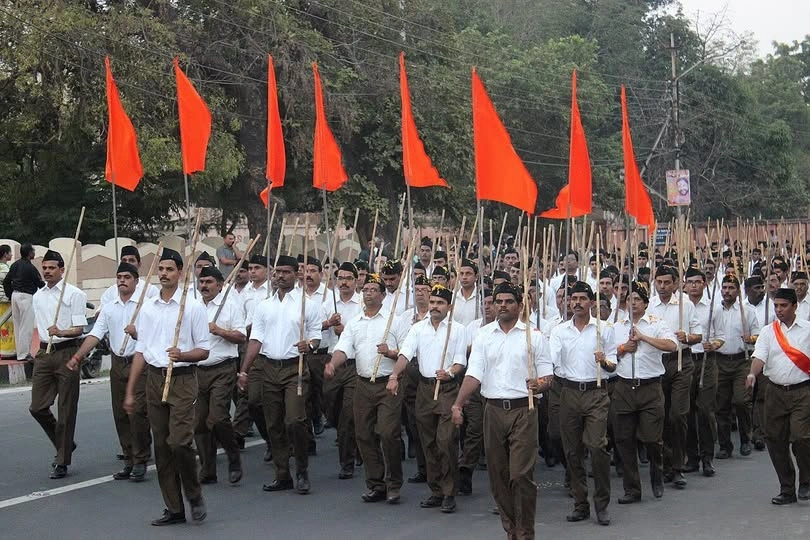
Student concerns are often genuine, whether related to education, employment, or public policy. However, once a movement gains momentum, political parties, activist organizations, and interest groups may attempt to associate themselves with it.
This does not necessarily mean that every protest is politically directed. Rather, it highlights the importance of distinguishing between the original concerns of participants and the broader political narratives that may emerge around a movement.
The Importance of Independent Thinking
One of the greatest responsibilities of young citizens is to verify information before accepting or sharing it.
Before participating in any demonstration, students should ask:
- What is the primary objective of the protest?
- Who are the organizers?
- Are the claims being made supported by credible evidence?
- Are there peaceful and institutional channels available to raise these concerns?
Critical thinking remains one of the strongest safeguards in a democratic society.
Democratic Institutions and Public Engagement
India’s democracy provides multiple avenues for citizens to engage with public institutions, including elected representatives, public consultations, courts, grievance mechanisms, and the Right to Information framework.
Peaceful protest is also a recognized democratic practice, but it is most effective when accompanied by informed dialogue and constructive engagement.
The Role of Social Media
Social media has transformed public discourse, but algorithms often prioritize emotionally engaging content over nuanced discussion.
Young citizens should be cautious about:
- Unverified viral claims.
- Edited or out-of-context videos.
- Anonymous social media campaigns.
- Content designed to provoke emotional reactions rather than informed debate.
Consulting multiple reliable sources before forming conclusions is increasingly important.
National Interest and Responsible Citizenship
Every citizen, regardless of political opinion, shares a responsibility to contribute positively to India’s democratic institutions.
Supporting national progress does not require uniform political views. It requires informed participation, respect for constitutional processes, and a commitment to peaceful civic engagement.
India’s Gen Z represents one of the country’s greatest strengths. Their energy, creativity, and willingness to engage in public issues can help shape the nation’s future.
The challenge is not whether young people should participate in public life—it is ensuring that participation is guided by facts, independent judgment, and constitutional values rather than misinformation or manipulation from any quarter.
An informed generation will always be stronger than an influenced generation.