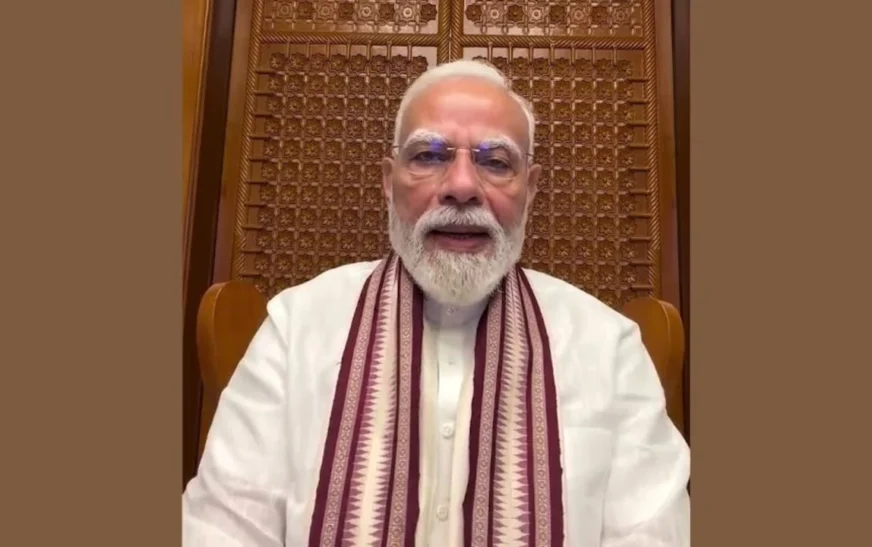

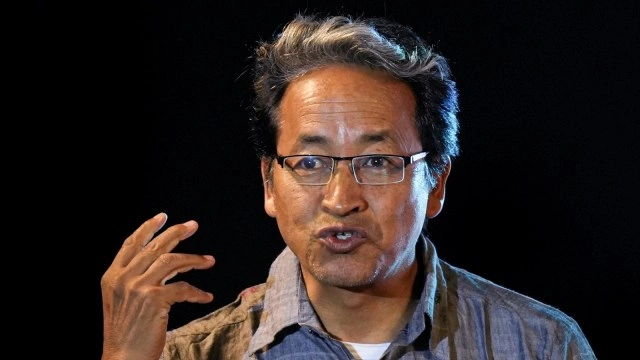
Activist Sonam Wangchuk has firmly rejected allegations that he entered into a political or personal deal with the Centre after ending his 26-day hunger strike in support of students protesting alleged examination irregularities. Responding to criticism from some opposition leaders, Wangchuk questioned why his commitment was being doubted, asking, “Do I still need to prove my sincerity?”
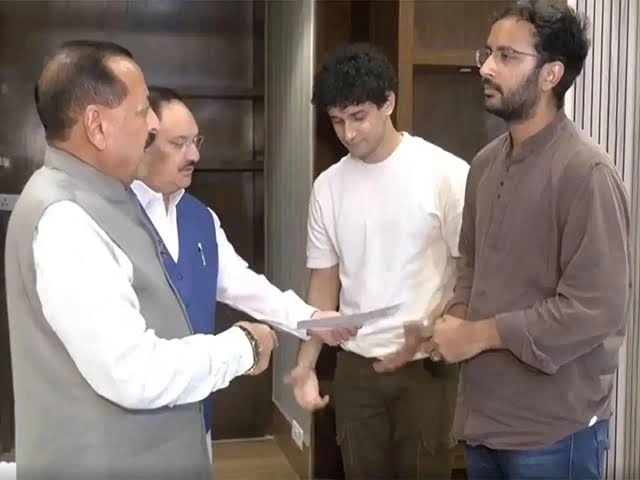
His remarks came a day after he concluded his fast at Gurugram’s Medanta Hospital in the presence of Union Ministers JP Nadda and Jitendra Singh.
Ended Fast Only After Written Assurances
Wangchuk clarified that his decision was based solely on written assurances provided by the government and Members of Parliament from different political parties. According to him, the commitments included protection for peaceful protesters and steps towards addressing key concerns related to examination reforms.
He said the decision was made in the interest of the movement and not because of any political compromise.
‘This Is the Beginning of Accountability’
Explaining his decision further, Wangchuk described the end of his fast as “the beginning of accountability rather than the end of the movement.” He revealed that he had even extended his hunger strike by two days while negotiations with the government were underway to ensure meaningful commitments were secured.
He also stated that concerns over possible violence and the need to safeguard students influenced his decision to end the fast.
Political Reactions Spark Debate
The controversy began after some opposition leaders alleged that Wangchuk had reached an undisclosed understanding with the government before ending his protest. Congress MP Imran Masood questioned the timing of the decision, while the BJP dismissed the allegations as baseless and defended Wangchuk’s integrity.
The exchange has triggered a wider political debate over the outcome of the nearly month-long protest.
Protest Movement Continues
Although Wangchuk has ended his fast, the broader protest movement has not concluded. Leaders of the student movement have announced that demonstrations will continue until their remaining demands, including accountability for alleged examination irregularities and broader education reforms, are addressed. Talks between government representatives and protest leaders are expected to continue.
Focus Shifts to Implementation
With the hunger strike now over, attention has shifted to the government’s promised actions. Protest leaders say they will closely monitor whether the written assurances are implemented, while Wangchuk has urged supporters to remain peaceful and united.
His response to the allegations underscores his insistence that the decision to end the fast was taken in good faith and in the larger interest of students. As negotiations continue, the effectiveness of the government’s commitments will likely determine the next phase of the ongoing movement.