
When Diplomacy Follows Demand
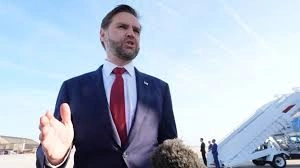
In a surprising turn in the ongoing Iran–Israel–US conflict, Iran appears to have shaped the very structure of the peace process. Reports indicate that Tehran had quietly expressed a preference to negotiate directly with US Vice President JD Vance — and that wish has now been granted.
This development marks a rare moment where a negotiating party influences not just the agenda, but the negotiator itself — a move that adds a new layer to already complex diplomacy.
Why Vance? A Strategic Choice
Iran’s interest in Vance is not accidental. Known within Washington as one of the more cautious voices on military intervention, Vance is viewed by some Iranian officials as a relatively “negotiable” figure within the US leadership.
For Tehran, engaging Vance could signal an attempt to shift the tone of talks — from confrontation to calculation.
For Washington, however, this creates a delicate balance. While sending Vance signals openness to dialogue, it also exposes the US to potential diplomatic pressure, especially given the fragile ceasefire and ongoing hostilities in the region.
Talks Begin, But Trust Is Missing
Even as delegations head to Islamabad, expectations remain low. Analysts point out that the talks are burdened with deep mistrust, unresolved demands, and ongoing violence — particularly in Lebanon and around the Strait of Hormuz.
Iran has set clear preconditions, including sanctions relief and broader regional commitments, while the US continues to demand concessions on nuclear activity and regional influence. (
In essence, both sides are entering the room — but with fundamentally different objectives.
Opportunity or Political Trap?
The talks are not just about geopolitics — they are also politically significant for Vance himself.
Observers note that this could either elevate his stature as a negotiator or expose him to criticism if the talks fail.
For Iran, involving Vance also ensures that responsibility for outcomes is shared across the US leadership — not confined to one political figure.
Diplomacy on Iran’s Terms
The irony is striking.
In a war where power dynamics are constantly shifting, Iran has managed to influence not just the timing, but the face of US diplomacy.
Whether this leads to meaningful progress or becomes another stalled negotiation remains uncertain.