
Oslo Exchange Triggers Scrutiny Of Online Narratives, Activism And Media Positioning
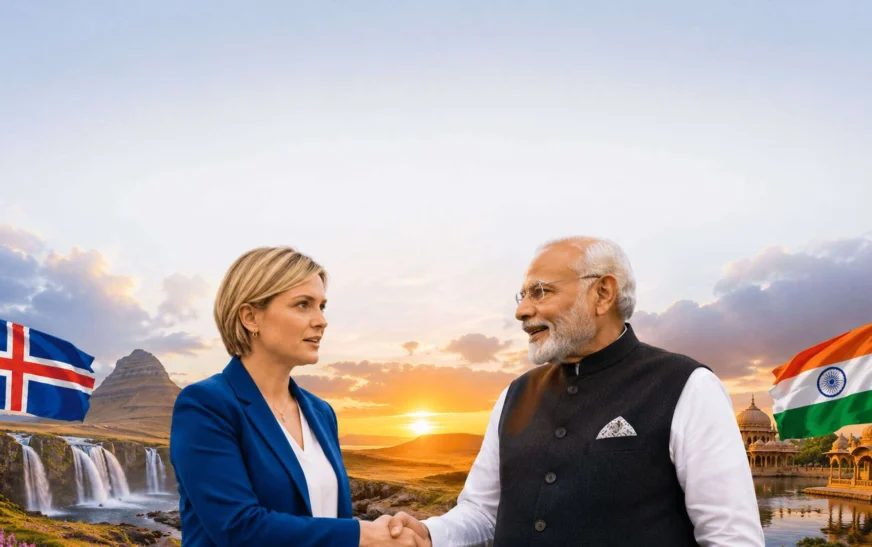
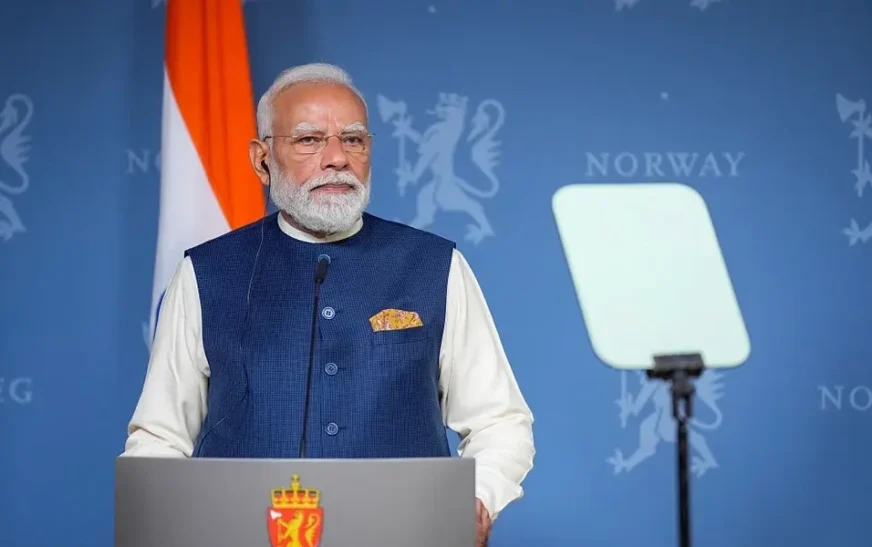
The controversy surrounding Norwegian journalist Helle Lyng during Prime Minister Narendra Modi’s visit to Oslo has now expanded beyond the original exchange, with social media users and political observers closely examining the journalist’s public online activity, ideological positioning and reporting patterns.
The debate intensified after Lyng questioned Prime Minister Modi on press freedom and later raised concerns regarding democracy, minority rights and human rights during an Indian Embassy media interaction. India strongly rejected the allegations, with MEA Secretary Sibi George defending the country’s democratic and judicial institutions.
However, the focus has now shifted towards the journalist herself.
Online Activity Reflects Strong Human Rights And Political Focus
Publicly visible social media activity and professional content linked to the journalist reportedly show recurring engagement with themes such as:
- press freedom,
- human rights,
- minority protection,
- political accountability,
- and criticism of nationalist political movements.
Several Indian social media users argued that the pattern suggested ideological positioning rather than neutral diplomatic journalism. Others pointed to the confrontational nature of the questioning as evidence that the interaction may have been designed to generate a politically charged international moment.
Supporters of the journalist rejected those accusations, stating that critical questioning of political leaders is a standard democratic journalistic practice in Europe.
Questions Raised Over Narrative Framing
The controversy has reopened a larger debate within India regarding how certain sections of Western media approach coverage of the country.
Critics argue that issues such as religious tensions, minority rights and democratic concerns dominate international reporting about India, while the country’s economic growth, electoral scale, digital transformation and geopolitical rise often receive comparatively less attention.
The Oslo incident amplified these concerns because many believed the exchange appeared less like a diplomatic media interaction and more like a pre-structured ideological confrontation.
Online discussions further intensified after reports emerged that some of the journalist’s social media accounts faced backlash and visibility restrictions following the controversy.
Journalism, Activism And Geopolitics Begin To Overlap
The episode has also revived questions surrounding the increasingly blurred line between journalism, activism and geopolitical narrative-building.
Modern political journalism, particularly on digital platforms, often extends beyond reporting into opinion shaping, ideological engagement and public mobilisation. Social media footprints now influence how journalists themselves are perceived politically.
For many Indian observers, the scrutiny of the journalist’s online activity became important because it appeared to offer insight into the broader worldview shaping the questions asked during the Oslo interaction.
At the same time, defenders of adversarial journalism insist that uncomfortable questioning should not automatically be interpreted as political hostility.
The Real Story Behind The Controversy
What began as a brief diplomatic media exchange has now evolved into a larger conversation about global perception wars.
The issue is no longer only about one question asked to Prime Minister Modi. It now reflects growing tensions between India’s rising geopolitical confidence and sections of Western media ecosystems that continue to approach India through frameworks centred on democratic anxiety and political criticism.