
Brent, WTI, and Trump’s Rhetoric
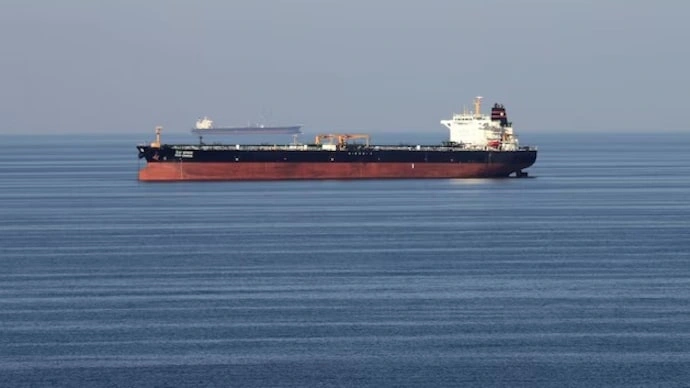
Oil prices have swung wildly since the US–Iran conflict began, with Brent and WTI repeatedly breaching the $100–per‑barrel mark amid threats to shut the Strait of Hormuz. When President Trump announced a conditional two‑week ceasefire linked to the partial reopening of the Strait, Brent crude plunged around 13–16% to roughly $90–96, and WTI fell similarly, briefly sinking below $100 before settling slightly higher than pre‑war levels. Talks, flare‑ups, gunboat alerts, and ship seizures continue to push prices up and down by several dollars in a single session, underscoring the persistent geopolitical risk premium.
India’s Import Costs and Crude Basket
India, which imports over 80% of its crude and derives roughly 80% of its oil from the Middle East, is directly exposed to these swings. The commonly tracked “Indian crude basket” has traded at a discount to Brent, but in absolute rupee terms has risen sharply during the war, squeezing refiners, consumers, and the government’s fuel‑subsidy or import‑duty calculus. When the US–Iran truce briefly stabilised the Strait, Indian refiners and downstream markets saw a small relief, but the premium on Middle‑East‑sourced crude stayed above pre‑war norms, keeping the macro‑fiscal balance under pressure.
Outlook and Policy Trade‑Offs
With the two‑week ceasefire set to expire and talks still fragile, markets are pricing in a baseline scenario of continued volatility rather than a full return to the $70s range. For India, this means the government must keep juggling excise cuts, freight‑support measures, and dialogue with exporters to manage pump‑price inflation and the current‑account deficit, even as the domestic “Indian crude basket” remains closely tethered to Brent’s gyrations.