
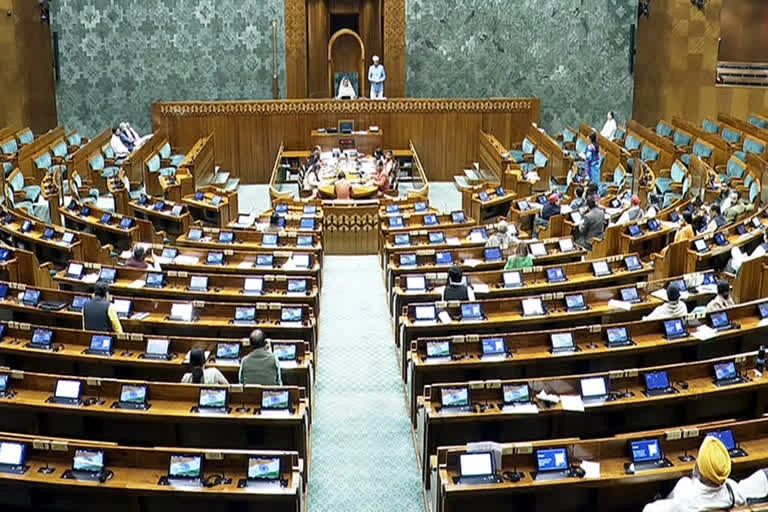
The Monsoon Session of Parliament witnessed another day of intense political confrontation as the ruling National Democratic Alliance (NDA) and the Opposition clashed over the fallout from the recent CJP-led ‘Sansad Chalo’ protests, while the Centre pushed ahead with a series of significant legislative proposals. The session combined sharp political debate with an ambitious law-making agenda.
Before the proceedings began, Prime Minister Narendra Modi, Union Home Minister Amit Shah, and senior NDA leaders attended a parliamentary meeting where the government discussed its strategy for the ongoing session. Addressing party MPs, the Prime Minister reportedly described the alleged NEET paper leak as a “grave sin” and reiterated the government’s commitment to taking strict action against those responsible for examination irregularities.
Inside Parliament, the Opposition sought discussions on the recent violence linked to the CJP protest march, alleging excessive use of force by police and demanding accountability. The government maintained that law enforcement acted to prevent protesters from breaching security barricades near Parliament and restore order following incidents of violence.
Among the major legislative measures introduced was the Supreme Court (Number of Judges) Amendment Bill, 2026, which proposes increasing the sanctioned strength of judges in the apex court by replacing an ordinance issued earlier. The government said the move is intended to help reduce the growing backlog of pending cases and improve the delivery of justice.
Another proposal that generated considerable attention was the Prevention of Insults to National Honour (Amendment) Bill, 2026, which seeks to make the intentional insult of or disruption during the singing of Vande Mataram a punishable offence. The government argued that the legislation aims to strengthen respect for national symbols, while Opposition parties indicated that they would closely examine its provisions during parliamentary debate.
The Centre also introduced the MSME Development (Amendment) Bill to improve the ease of doing business and address delayed payments to small enterprises. Additionally, amendments to the Registration of Births and Deaths Act were proposed to modernise civil registration procedures and tighten norms relating to delayed registrations.
Outside Parliament, security remained heightened following the violence witnessed during the ‘Sansad Chalo’ demonstrations. Protesters continued their sit-in at Jantar Mantar, while Delhi Police maintained strict security arrangements around the Parliament complex and key government installations. Authorities continued investigating the clashes and reviewing digital evidence related to the demonstrations.
Political leaders from both the ruling alliance and the Opposition continued trading allegations over the handling of the protests, signalling that the issue is likely to dominate discussions throughout the Monsoon Session. The government, however, reiterated that it remains focused on securing parliamentary approval for its legislative agenda during the current session.
With contentious legislation, debates over public order, and demands for discussions on examination reforms and governance issues, the Monsoon Session is expected to remain politically charged in the coming days as both sides prepare for further confrontations inside and outside Parliament.