

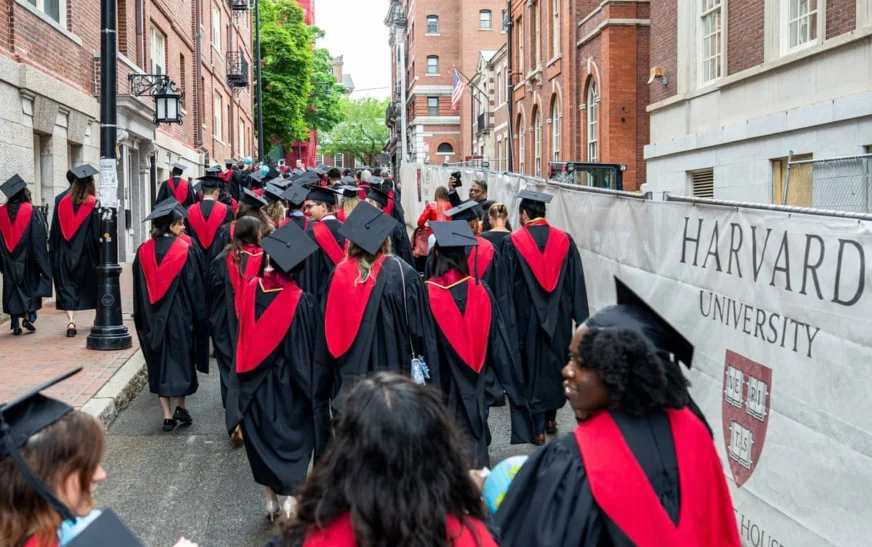
Indian students planning to pursue higher education in the United States have faced a significant setback, with F-1 student visa approvals falling by 62% during the peak May–August admissions period compared to the previous year. The decline is nearly double the 34% drop recorded for Chinese students, according to an analysis by the Center for Immigration Studies (CIS).
The sharp fall comes amid tighter immigration and visa screening policies introduced by the Trump administration, raising concerns for thousands of Indian students and US universities that rely heavily on international enrolments.
Sharp Decline in Visa Issuance
The report found that only 22,149 F-1 visas were issued to Indian students during the key admission season, compared with 58,694 during the same period a year earlier.
For Chinese students, approvals declined from 61,075 to 40,034, representing a 34% fall. Although both countries experienced fewer approvals, the reduction for Indian applicants was substantially steeper.
Reasons Behind the Decline
The drop follows several policy changes introduced by the US government, including:
- Expanded social media screening for visa applicants.
- Temporary suspension of student visa interviews.
- Increased background verification.
- Longer processing times and appointment backlogs.
- Enhanced scrutiny of F-1 visa applications.
These measures affected visa processing during the busiest admission period for international students.
Impact on Indian Students
India has become the largest source of international students in the United States, with more than 363,000 Indian students enrolled during the 2024–25 academic year.
A sustained decline in visa approvals could affect:
- Students admitted to US universities.
- Graduate and research programmes.
- STEM education enrolment.
- Future employment opportunities under post-study work programmes.
OPT Programme Also Under Scrutiny
The CIS report also renewed calls to abolish the Optional Practical Training (OPT) programme, which allows eligible international students to work in the United States after graduation.
Indian graduates are among the largest beneficiaries of OPT, particularly in technology, engineering, and business sectors. Any future changes to the programme could significantly affect Indian students seeking work experience in the US after completing their studies. It is important to note that the recommendation comes from the CIS report and does not represent a government decision.
Challenges for US Universities
The decline may also impact American universities, many of which depend on international students for tuition revenue and research talent.
Earlier reports have indicated that several US institutions have already experienced lower international enrolment amid tighter immigration policies and increased uncertainty surrounding student visas.
What It Means Going Forward
While the US remains one of the world’s most popular destinations for higher education, the latest figures suggest that prospective Indian students may face a more competitive and time-consuming visa process.
Education experts advise students to:
- Apply as early as possible.
- Ensure complete documentation.
- Prepare for enhanced background and social media checks.
- Monitor official US embassy updates regarding visa appointments and processing timelines.
Although the latest numbers point to a significant slowdown in approvals, visa processing continues, and future issuance rates will depend on policy decisions and demand in upcoming admission cycles.


