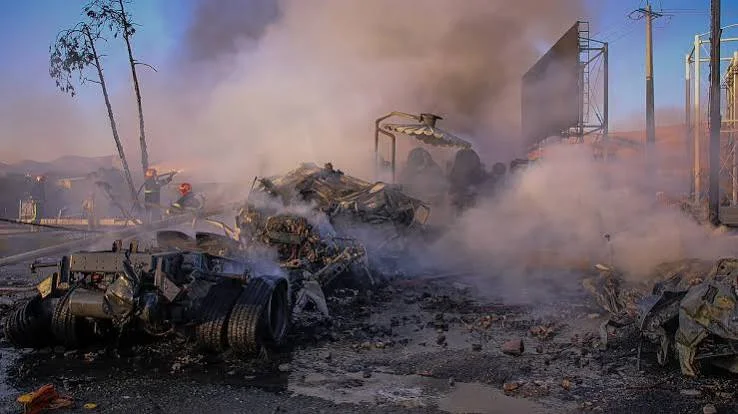

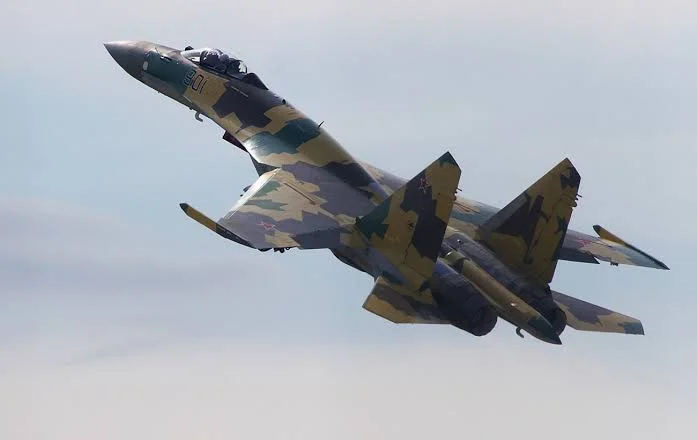
Two Russian Su-35S fighter jets reportedly collided in mid-air over the Kursk region, resulting in the loss of both aircraft, according to Russian military aviation sources. The incident occurred on September 7, but the Russian Defence Ministry had not immediately issued an official statement confirming the circumstances.
Reports from military aviation channel Fighterbomber said the two aircraft collided while flying over Kursk. Later reports claimed that one pilot was killed while the second ejected and was injured, although details surrounding the crews have varied and remain subject to confirmation.
Why the Su-35S Loss Matters
The Su-35S is among Russia’s most capable fourth-generation-plus fighter aircraft. Based on the Su-27 family, it combines long-range weapons capability, high manoeuvrability and advanced avionics. The aircraft plays an important role in Russia’s combat aviation, including air defence, interception and support for strike operations.
Losing two such fighters in a single accident is therefore more significant than an ordinary training mishap. Beyond the financial cost, the incident removes two advanced aircraft from Russia’s operational inventory without direct enemy action.
However, it would be premature to connect the collision to a specific operational failure. The cause remains under investigation, and available reports have not established whether the aircraft were conducting combat, training or another mission.
The Bigger Aviation Challenge
The incident highlights the risks associated with operating sophisticated combat aircraft in a high-tempo military environment. Fighter operations require extremely precise coordination, particularly when multiple high-performance aircraft operate in close proximity.
For Russia, the immediate priority will be determining whether the collision resulted from human error, technical problems, communication failures or operational conditions.
The crash is ultimately a reminder that even advanced fighter technology remains dependent on training, coordination and human decision-making. Until an official investigation provides more information, the exact cause should remain open rather than being attributed to speculation.