
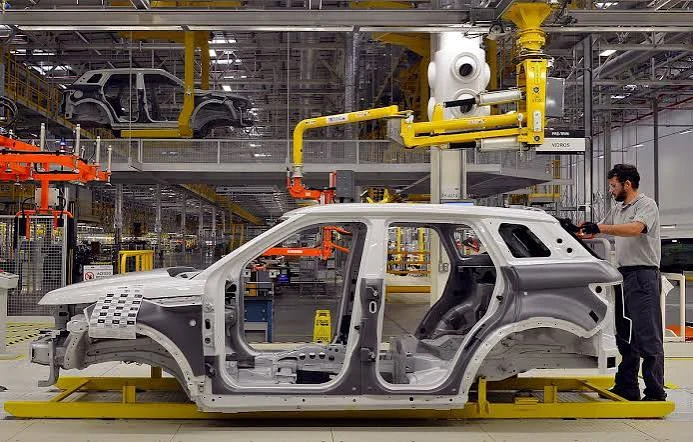
Jaguar Land Rover (JLR), owned by Tata Motors, plans to reduce its global workforce by around 4,000 roles over the next two years, highlighting the growing pressure on luxury automakers from changing consumer demand, geopolitical uncertainty and the costly transition towards electric vehicles. JLR currently employs around 43,000 people globally, making the planned reduction close to 10% of its workforce.
The job cuts form part of JLR’s broader “Growth Reimagined” strategy, under which the company is targeting approximately £1.7 billion in savings over two years and wants to bring its break-even point down towards 300,000 vehicles annually. The first round of consultations has already begun, with the company saying voluntary measures will be used wherever possible. Direct manufacturing jobs are not expected to be affected.
Why JLR Is Cutting Jobs
The restructuring comes as JLR faces multiple pressures simultaneously. Competition from Chinese automakers, US tariffs, rapidly changing global markets and geopolitical uncertainty are increasing the cost of operating a premium automotive business. The company is also recovering from a major cyberattack that disrupted production in 2025.
The interesting part is that JLR is cutting costs while increasing investment. The company plans to spend between £15 billion and £18 billion over the next five years on electrification, digital technology, advanced manufacturing and customer experience. It also plans to introduce five new electric products over the next two years.
What It Means for Tata Motors
For Tata Motors, JLR remains a critical global asset and an important source of international technology and premium-brand exposure. The restructuring suggests the strategy is shifting from simply pursuing growth to achieving more efficient and sustainable growth.
The success of the plan will ultimately depend on whether the £1.7-billion savings can strengthen profitability without weakening JLR’s ability to innovate.
The job cuts are therefore not necessarily a retreat from JLR’s future. They are an attempt to reduce the cost base while protecting investment in the next generation of luxury vehicles.