
Iran has threatened a new escalation in its confrontation with the United States, announcing plans for a maritime exclusion zone across parts of the Persian Gulf while claiming to have used a new advanced missile against US warships. The announcement comes as shipping through the Strait of Hormuz has already slowed sharply amid continuing military tensions.
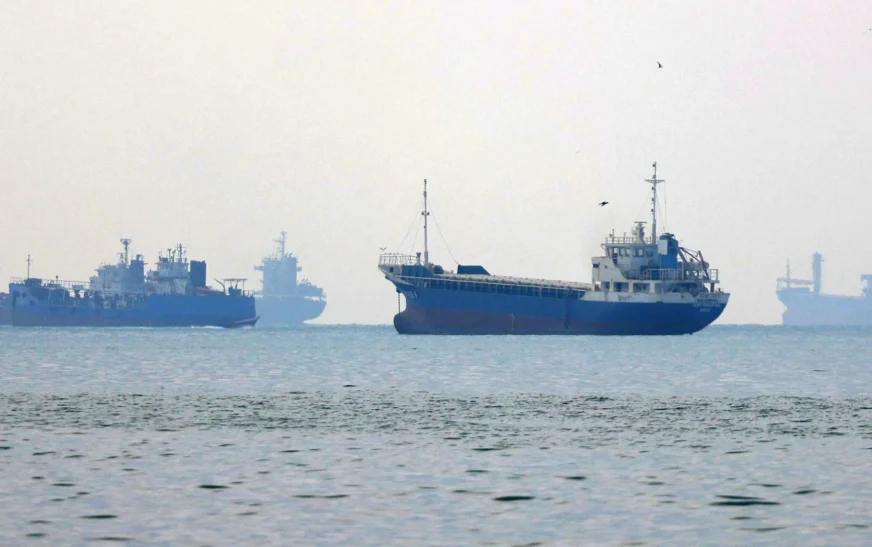
Iranian Supreme National Security Council Secretary Mohsen Rezaei said the proposed restricted zone would extend from the area of the US blockade into the Gulf. Tehran also plans to publish maps of a new shipping corridor through Hormuz. Iran has warned that vessels entering the restricted area could be placed on an Iranian sanctions list.
The Missile Message
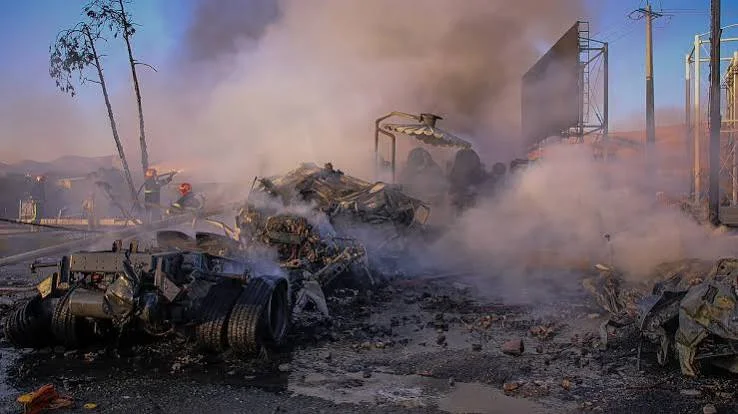
The military dimension adds another layer of risk. Iranian media reported the use of the Qassem Basir, which Tehran describes as an upgraded ballistic missile with improved manoeuvrability and guidance capabilities. The US military, however, said its warships evaded the reported missile attacks.
The significance is less about one missile than the message behind it. Iran is attempting to demonstrate that despite damage to its conventional forces and mounting economic pressure, it retains the ability to threaten US military assets and maritime traffic.
Why India and Global Markets Should Watch
Hormuz remains critical to global energy markets, with roughly one-fifth of global oil and LNG shipments passing through the waterway before the war. Shipping data now shows commodity-vessel traffic at its lowest level since May. Oil prices have consequently remained under pressure from fears of prolonged supply disruption.
For India, prolonged disruption could mean higher crude-import costs, pressure on the rupee and renewed inflation risks.
The bigger danger is a cycle in which US economic pressure produces Iranian maritime retaliation, which then triggers further military action. Unless diplomacy breaks that cycle, Hormuz could become the central economic battlefield of the conflict.