
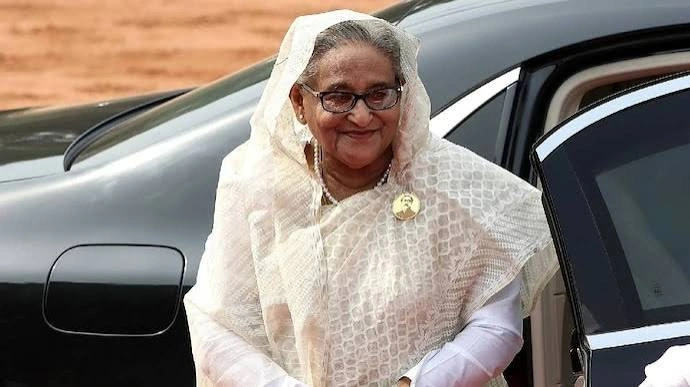
Former Bangladesh Prime Minister Sheikh Hasina has declared that she will return to Bangladesh despite the possibility of being arrested, imprisoned, or even killed. Speaking from her undisclosed location in India, Hasina said she could not ignore the calls of her supporters and insisted that no external pressure would stop her from returning home. Her remarks come at a time of heightened political tension in Bangladesh following her ouster from power in 2024 and the legal proceedings initiated against her.
Hasina’s statement has once again brought Bangladesh’s evolving political landscape into the international spotlight, with analysts closely watching how her proposed return could affect the country’s stability.
‘My People Are Calling Me’
Addressing her supporters, Hasina acknowledged the serious risks she could face upon her return.
She said she was aware that she could be killed, arrested, or sent to prison, but maintained that she could not ignore the wishes of her supporters, stating that “my people are calling me.” According to Hasina, her decision to return is entirely voluntary and not influenced by any foreign government or political pressure.
Her comments underline her determination to re-enter Bangladesh despite the legal and political challenges awaiting her.
Political Exile Since 2024
Sheikh Hasina has been living in a secret location in India since August 2024, when her government was toppled following a student-led uprising that ended her nearly 15-year tenure as Prime Minister.
The protests escalated into widespread unrest, forcing Hasina to leave Bangladesh. Since then, the country’s political landscape has undergone major changes, including the formation of an interim administration, constitutional reforms, and a general election that brought a new government to power.
Legal Challenges Await Hasina
Hasina faces significant legal hurdles if she returns to Bangladesh. She has been convicted in absentia in a case related to the 2024 crackdown on protesters and faces the possibility of arrest upon arrival.
Bangladesh has also sought her extradition from India as legal proceedings continue. Despite these developments, Hasina has repeatedly stated that she intends to return and face the situation in her homeland rather than remain in exile indefinitely.
Political Climate Remains Tense
Bangladesh continues to witness political uncertainty following the change in government. The Awami League, the party led by Hasina, has faced significant restrictions, with many leaders either detained, in hiding, or operating from outside the country.
Recent political developments, including the resignation of President Mohammed Shahabuddin and continuing constitutional reforms, have further intensified the country’s political atmosphere ahead of Hasina’s planned return.
Supporters Continue to Back the Former Prime Minister
Despite being out of power, Hasina continues to enjoy support from sections of the Awami League and her political base. Her latest remarks appear aimed at reassuring party workers that she remains committed to returning and participating in Bangladesh’s political future.
Political observers believe her return, if it takes place, could become one of the most significant events in Bangladesh’s recent political history, potentially reshaping the country’s opposition landscape.
Regional Attention on Bangladesh
Hasina’s announcement has attracted attention across South Asia, particularly because of its implications for regional diplomacy and domestic politics in Bangladesh. Governments and international observers are closely monitoring developments as discussions around her possible return continue.
Whether Sheikh Hasina returns in the coming months or faces further legal obstacles, her declaration has once again placed Bangladesh’s political future at the centre of regional attention. Her statement reflects both her determination to return and the deeply polarised political environment that continues to shape the country’s future.