
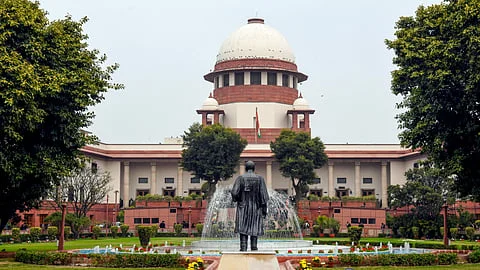
The Supreme Court has sent a strong message against the growing problem of doctors being assaulted by political party members, saying those accused of attacking medical professionals should not be allowed to move around freely. The remarks came while the court considered the case involving Shiv Sena corporator Ramesh Mhatre, accused of assaulting doctors at a hospital in Maharashtra.
The latest intervention follows an earlier Supreme Court hearing in which the bench questioned how anyone could justify physically attacking doctors inside a hospital. The court had also backed the Bombay High Court’s decision to take suo motu cognisance of Mhatre’s case and intervene after a lower court granted bail.
Why the Supreme Court’s Message Matters
Hospitals are supposed to remain protected spaces where medical professionals can work without intimidation. When political influence or organised groups enter that environment and violence follows, the consequences extend beyond the individual victim. It can affect staff morale, patient care and public confidence in healthcare institutions.
The case also raises a wider question about whether elected representatives receive informal protection because of their political position. The Supreme Court’s observations indicate that public office cannot become a shield against criminal accountability when allegations of violence are involved.
The Maharashtra case concerns an incident at Shastri Nagar Hospital in Dombivli, where Mhatre and others allegedly assaulted doctors following an argument over treatment of a pregnant woman. The Bombay High Court subsequently imposed stringent bail conditions, including requiring Mhatre to remain outside Maharashtra until the chargesheet was filed.
The Supreme Court has now placed the issue of bail under renewed scrutiny, with the Maharashtra government indicating that it would challenge the bail order. The matter is expected to remain closely watched.
The larger message is significant: political status cannot justify violence inside hospitals, and accountability must apply equally to everyone.