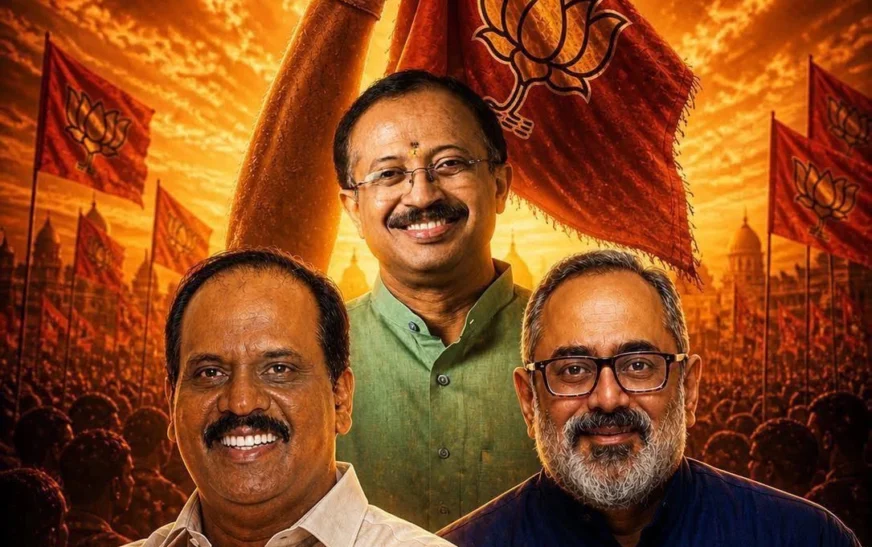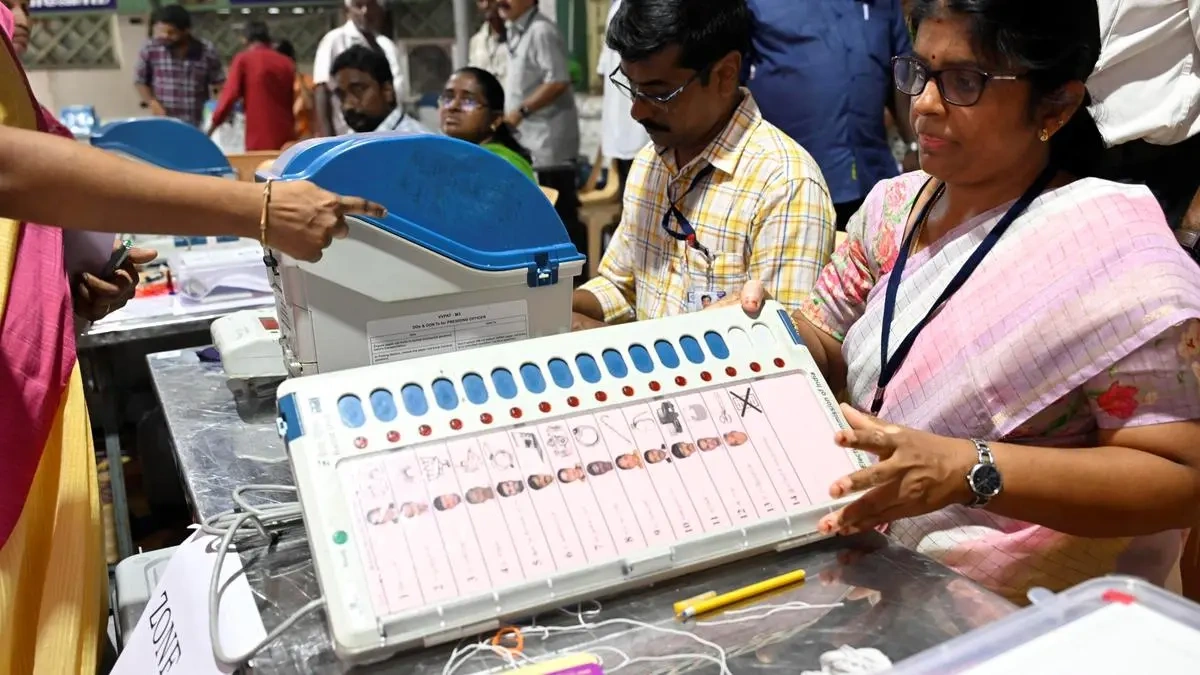

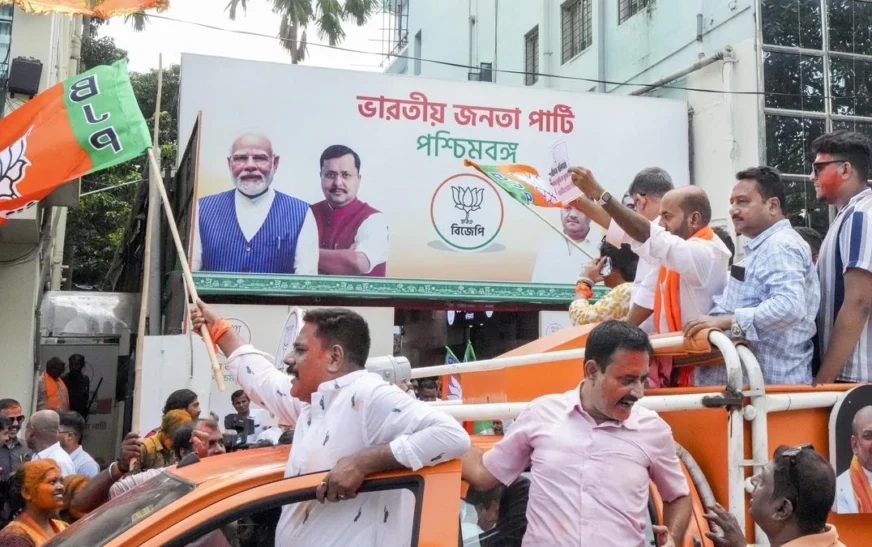
The West Bengal Assembly Election Results 2026 have delivered a watershed verdict as the BJP‑led alliance stormed past the 148‑seat majority mark and is now leading in 170–195 seats, while the Trinamool Congress (TMC) slumps into the 90‑plus‑seat band, ending the 15‑year rule of Chief Minister Mamata Banerjee. The counting on May 4, orchestrated by the Election Commission across 77 centres, capped a record‑turnout of 92.47 per cent and marked the BJP’s first‑ever decisive breakthrough in the state’s Assembly‑politics.
BJP’s landslide and seat‑wise dominance
The BJP‑led National Democratic Alliance has crossed the 148‑seat threshold needed to form the government, with the saffron‑camp now leading in 171–195 seats, depending on the trend‑snapshot. The Trinamool Congress, which had swept 215 seats in 2021, is now limited to 81–95 leads, while the Left‑Congress‑front combines for a handful of seats, underscoring the bipolar nature of Bengal politics.
The BJP’s surge in urban centres such as Kolkata, Howrah, and the Siliguri‑Barrackpur‑corridor, along with gains in traditional TMC‑strongholds like Asansol Uttar, Port Sheed, and Nandigram, signifies a deep realignment. The party’s vote‑share clocks 45.13 per cent, while the TMC trails at 40.97 per cent, reflecting a Hindu‑consolidation‑plus‑governance‑grievances shift.
Mamata‑Bhabanipur and Modi‑Mamata dynamics
The high‑stake Bhabanipur contest between Mamata Banerjee and BJP’s Suvendu Adhikari saw a see‑saw battle, with Suvendu leading early rounds before the CM re‑established the lead in later rounds, ultimately securing the seat. This personal‑victory for Banerjee within the BJP‑majority‑state captured the symbolic clash between the “street‑fighter” CM and the Modi‑era saffron‑push.
The BJP’s narrative of nationalism, anti‑infiltration, and Adivasi‑rights resonated with Hindu‑majority pockets and sections of the urban middle‑class, while the TMC’s welfare‑focused and “Bengali‑pride” storyline lost its hegemonic grip. The verdict signals that the BJP’s polarised‑messaging and organisational‑push can now dislodge a strong regional incumbent in a complex, multi‑identity state.
Record turnout and SIR‑rolls impact
West Bengal’s 92.47 per cent turnout, the highest in its history, underscored the electorate’s intense engagement in the BJP‑TMC‑face‑off, despite the Special Intensive Revision (SIR) that deleted 90 lakh names from the voter‑rolls. The BJP credited the outcome to “Hindu consolidation” and national‑centric security, while the TMC blamed the SIR‑process and alleged central‑interference.
National implications and BJP’s future in Bengal
The BJP’s historic win heralds the end of Mamata Banerjee’s 15‑year dominance and the beginning of a BJP‑led government anchored by a new Chief Minister, likely from the party’s Bengal‑power‑centre, reshaping the federal balance. The verdict reinforces the BJP’s narrative of governance‑continuity and consolidates its claim to represent the “new India” in historically Congress‑and‑Left‑dominated regions.