
Assembly Election Results 2026 across West Bengal, Tamil Nadu, Kerala, Assam, and Puducherry have delivered a mixed verdict that reshapes the political map of eastern, southern, and northeastern India. With counting completed on May 4, the key takeaway is that incumbents have broadly retained power, often with reduced margins, while the BJP’s challenge has sharpened in multiple states without yet flipping all the high‑stakes seats.
West Bengal: TMC vs BJP, and a narrowing gap
In West Bengal, the Trinamool Congress (TMC), led by Mamata Banerjee, has retained power but with a significantly reduced majority compared with 2021, as the BJP‑led opposition surged in several South Bengal and urban‑belt constituencies. Early trends and final tallies place the BJP in the 130‑plus‑seat range, making it a formidable opposition force and signalling that Bengal’s politics has matured into a near‑bipolar system.
The high‑stakes duel in Bhabanipur and the symbolic contest in Panihati, where the RG Kar victim’s mother Ratna Debnath ran on a BJP ticket, illustrate how moral‑and‑governance‑performance issues intertwined with local‑level caste and regional equations. The state also recorded one of the highest turnouts in Indian electoral history, around 85 per cent, underlining the electorate’s intense engagement in the TMC‑BJP face‑off.
Tamil Nadu: DMK consolidation and the TVK experiment
Tamil Nadu’s Assembly polls saw the DMK‑led alliance retain power comfortably, crossing the 118‑seat majority mark and positioning M.K. Stalin for a second consecutive term as Chief Minister. The alliance’s performance in urban centres such as Chennai, Coimbatore, and Madurai, along with resilience in the Delta‑region agrarian belt, reflected that welfare‑centric policies and caste‑balancing outweighed the anti‑incumbency narrative.
New entrant Vijay‑led TVK made its debut with a modest but noticeable presence, cutting into AIADMK and other fringe‑party votes without emerging as a decisive kingmaker. The state recorded a record‑high turnout of about 84.7 per cent, underscoring that voters were closely aligned with the DMK‑AIADMK‑TVK three‑cornered contest rather than any boycott‑style strategy.
Kerala and Assam: LDF & BJP in the saddle
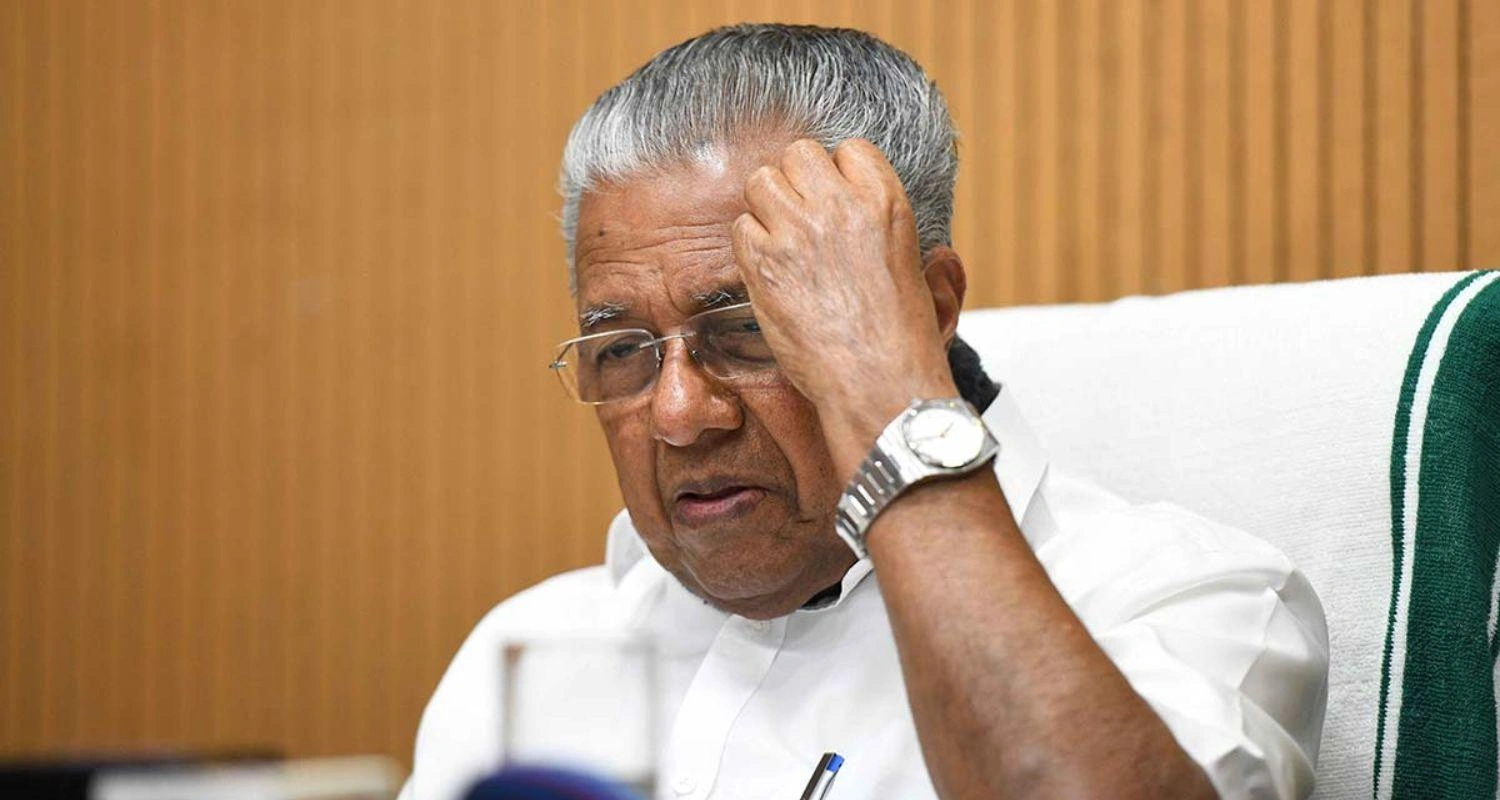
In Kerala, the Left‑Democratic Front (LDF), led by Pinarayi Vijayan, remained the single largest bloc but fell short of a clear majority, pushing the state into a coalition‑negotiation phase. The Congress‑led UDF gained ground in select urban and mid‑size constituencies, while the BJP‑led NDA consolidated its vote share without forming a government, reflecting Kerala’s continued preference for a two‑major‑alliance configuration with a floating third force.
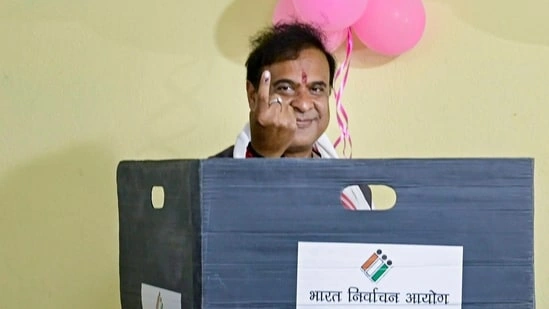
In Assam, the BJP‑led National Democratic Alliance, anchored by Chief Minister Himanta Biswa Sarma, secured a third consecutive term, crossing the 86‑plus‑seat mark and reinforcing the party’s hold in the strategically sensitive Northeast. The AGP‑led allies helped the NDA exceed the 90‑seat threshold in some tallies, whereas the Congress‑led opposition remained confined to the 30‑plus range, signalling that the BJP’s narrative of development and border‑security still resonates in the state.
Puducherry and national implications
Puducherry, a 30‑seat Union Territory, recorded its highest ever Assembly‑poll turnout, with the BJP‑led NDA retaining power albeit with a narrow margin. The Congress‑led INDIA bloc narrowed the gap, turning the Union Territory into a micro‑battleground for national‑level alliances rather than a foregone‑BJP‑victory.
At the national level, the 2026 Assembly verdicts across these five regions indicate that the BJP’s penetration is strong but not yet hegemonic, while the Congress‑led opposition remains scattered and regionally constrained. For the BJP, the outcome in West Bengal and Puducherry especially will be read as a measure of how far its central‑centric, identity‑and‑governance‑framed campaigns can break long‑standing regional strongholds.