
India Votes Without a Wave, As Regional Realities Take Centre Stage
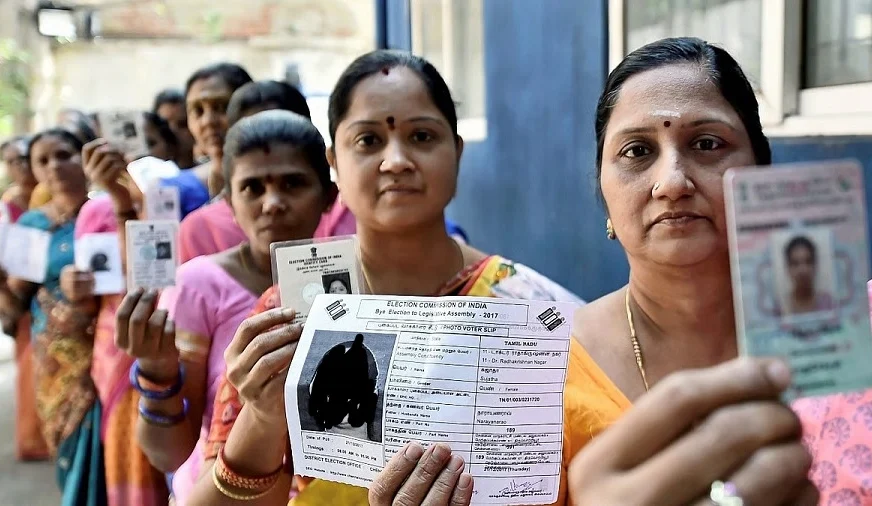
As multiple states head to the polls, one thing is becoming increasingly clear — this is not an election driven by a single narrative or wave. Instead, it is a contest shaped by local realities, fragmented voter sentiments, and tightly contested political ground.
From Tamil Nadu to West Bengal, the electoral landscape reflects a shift away from sweeping mandates towards battles of precision, where every constituency and every percentage point matters.
Campaigns That Made Noise, But Not Clarity
The campaigning phase was intense, visible, and at times sharply polarised. National leaders, regional stalwarts, and party machinery were deployed at full scale. Yet, beyond the rhetoric, there has been limited clarity on a unifying national issue that defines voter choice.
The discourse remained centred around:
- Welfare versus governance
- Identity and regional pride
- Centre versus State narratives
While these themes mobilise voters, they also highlight the absence of a clear, dominant agenda that cuts across states.
The Rise of the Regional Voter
What stands out in this election cycle is the growing assertion of the regional voter — one who is less influenced by national messaging and more by state-level performance, local leadership, and immediate economic concerns.
This shift is critical.
It signals that Indian democracy is moving towards a more decentralised decision-making pattern, where outcomes are determined not by overarching narratives, but by ground-level realities.
No Clear Upper Edge
Across key states, the contests remain too close to call.
- Tamil Nadu presents a near neck-and-neck scenario
- West Bengal remains a high-stakes contest with marginal advantages
- Other states reflect similarly competitive dynamics
This suggests that voters are distributing power rather than consolidating it, a trend that often leads to more negotiated governance.
What This Election Truly Means
Voters today are:
- Selective
- Issue-aware
- Less predictable
They are willing to differentiate between state and national politics, and are not bound by uniform voting patterns.
As counting day approaches, the real takeaway may not be who wins, but how the margins define the outcome.