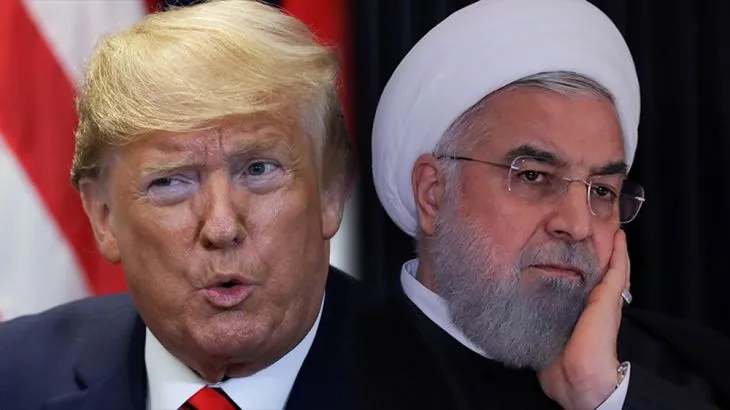

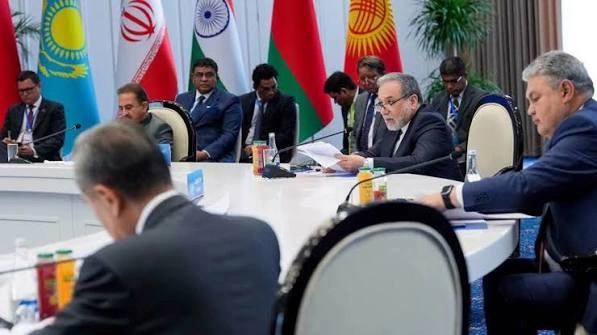
Iranian Foreign Minister Abbas Araghchi has strongly rejected what he described as American “bullying” and coercive diplomacy, declaring that Tehran will not surrender to pressure or threats from Washington. Speaking after the Shanghai Cooperation Organisation (SCO) Council of Foreign Ministers’ meeting in Cholpon-Ata, Kyrgyzstan, Araghchi said the United States’ reliance on coercion—not a lack of communication—remains the biggest obstacle to meaningful dialogue between the two countries.
His remarks come amid heightened regional tensions and continued diplomatic disagreements between Tehran and Washington over security, sanctions, and broader geopolitical issues.
‘We Will Not Bow to Bullying’
Addressing reporters after the SCO meeting, Araghchi said Iran would continue to defend its national interests and would not respond positively to threats or intimidation.
“Iran has shown that it will not bow to US bullying and will under no circumstances respond to the language of force, pressure and threats,” he said, adding that safeguarding the Iranian people and protecting Iran’s national interests remain the government’s highest priorities.
The Iranian foreign minister stressed that Tehran’s policies would continue to be guided by national sovereignty and the interests of its citizens.
Calls on SCO Members to Oppose Unilateralism
During his address, Araghchi urged fellow Shanghai Cooperation Organisation member states to work together against unilateral actions and external pressure.
He described the SCO as a progressive regional organisation capable of promoting multilateral cooperation and called on member countries to defend international law, state sovereignty, and a rules-based global order rather than allowing any single nation to dominate international affairs.
Meetings With Regional Leaders
On the sidelines of the summit, Araghchi held bilateral meetings with several senior diplomats, including the foreign ministers of China, Russia, Pakistan, Kyrgyzstan, Egypt, and Uzbekistan.
According to Iranian officials, discussions focused on regional security, economic cooperation, diplomatic coordination, and developments affecting West Asia. Tehran also reaffirmed its close consultations with Beijing and Moscow on major international issues.
Diplomatic Tensions Persist
Araghchi reiterated that Iran is not opposed to diplomacy but argued that negotiations cannot succeed if they are accompanied by sanctions, military threats, or political pressure.
He maintained that Iran would continue pursuing its diplomatic objectives while refusing to compromise under coercion. The comments reflect Tehran’s longstanding position that negotiations must be based on mutual respect and equality rather than external pressure.
Regional Focus on Security and Cooperation
The SCO meeting brought together foreign ministers from member countries to discuss regional security, connectivity, economic cooperation, and global geopolitical developments. Against this backdrop, Iran used the platform to reinforce its position on sovereignty, multilateralism, and resistance to external pressure.
Araghchi’s remarks underscore Tehran’s determination to maintain its current foreign policy approach despite ongoing tensions with Washington. As diplomatic efforts continue on multiple fronts, the exchanges at the SCO summit highlight the deep differences that remain between Iran and the United States over regional security and international relations.