
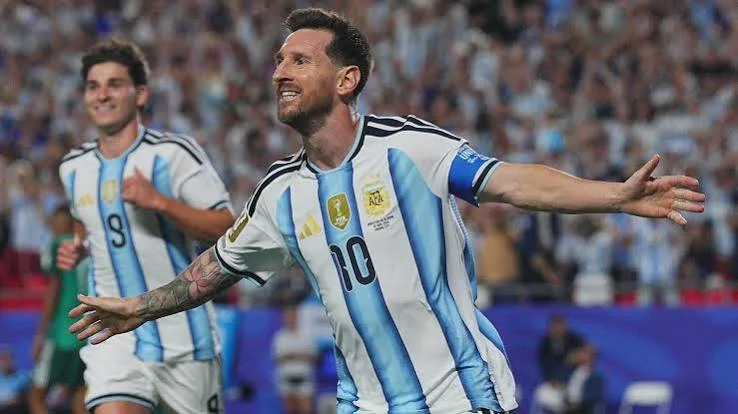
Lionel Messi’s international career with Argentina has come to an end after an extraordinary 21 years, closing one of the most remarkable chapters in modern football. At 39, Messi announced his retirement from international football after representing Argentina across six World Cups and establishing himself as the country’s most prolific international goalscorer.
Messi’s journey with Argentina began in August 2005 in a friendly against Hungary. His debut lasted barely a minute before he was sent off, but that difficult beginning ultimately became the starting point of a historic international career. Two decades later, Messi leaves the national team with records that are unlikely to be easily surpassed.
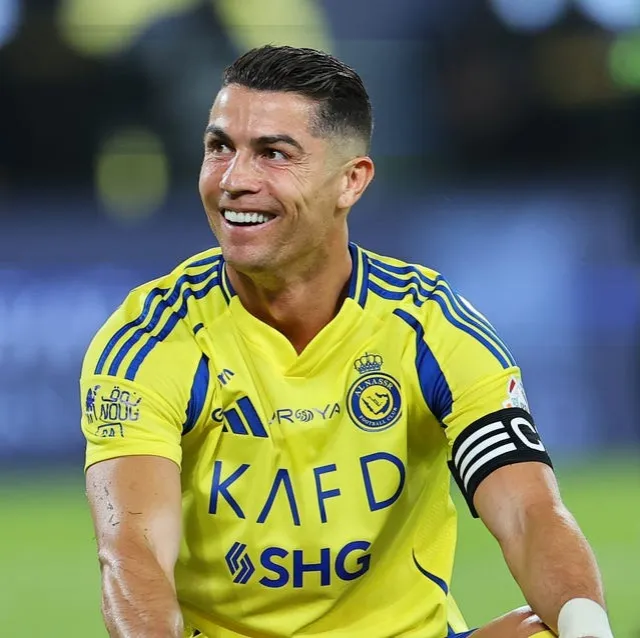
The numbers tell only part of the story. Messi made 207 appearances for Argentina and scored 125 international goals, more than twice the previous Argentine record held by Gabriel Batistuta, who finished with 54 goals. Only Cristiano Ronaldo, with 233 appearances and 146 goals for Portugal, currently stands ahead of Messi in the all-time men’s international records cited in the report.
From Heartbreak to World Cup Glory
For many years, Messi’s Argentina career was defined as much by disappointment as achievement. The forward reached the 2014 World Cup final but Argentina lost to Germany. His international career also included painful defeats in major tournaments, creating a narrative that one of the greatest players in football history could not reproduce his club success with his country.
That perception changed dramatically.
Messi eventually led Argentina to the 2022 FIFA World Cup title in Qatar, fulfilling the biggest ambition of his international career. That victory transformed the discussion surrounding his legacy. Instead of being remembered as a superstar who struggled to win a major international trophy, Messi became a World Cup champion and the central figure in one of Argentina’s most celebrated football triumphs.
His longevity is another extraordinary part of the story. Messi participated in six World Cups — 2006, 2010, 2014, 2018, 2022 and 2026, matching Cristiano Ronaldo’s record for appearances across six editions. He scored 21 World Cup goals during those tournaments, placing him behind Kylian Mbappe’s 22 goals in the figures reported by AP.
Why Messi’s Retirement Matters
Messi’s departure is bigger than the retirement of a footballer. Argentina is losing a player who became synonymous with its national team for more than two decades.
His career also demonstrates how international football has changed. Modern players face enormous physical demands, packed club schedules and constant scrutiny. Remaining at the highest level into the late stages of a sixth World Cup cycle demonstrates exceptional longevity and discipline.
There is also a generational significance to his retirement. Millions of supporters grew up watching Messi represent Argentina. For younger fans, his career effectively spans the transition from traditional football broadcasting to the era of social media, streaming and global digital fandom.
The most important question now is not whether Messi’s contribution can be replaced immediately. It is whether Argentina can successfully move into a new era without relying on the player who has carried such an enormous creative and leadership burden for so long.
Argentina still possesses significant football talent, but replacing Messi’s combination of goals, playmaking, experience and international stature will be extremely difficult.
Messi leaves behind an extraordinary statistical legacy: 207 appearances, 125 goals, six World Cups and one World Cup title. But his greatest contribution may be the way he changed Argentina’s relationship with its national team after years of near misses.
His international career began with a red card and uncertainty. It ended with records, trophies and a legacy firmly established among football’s greatest.
Lionel Messi is no longer Argentina’s future. He is now part of its football history.