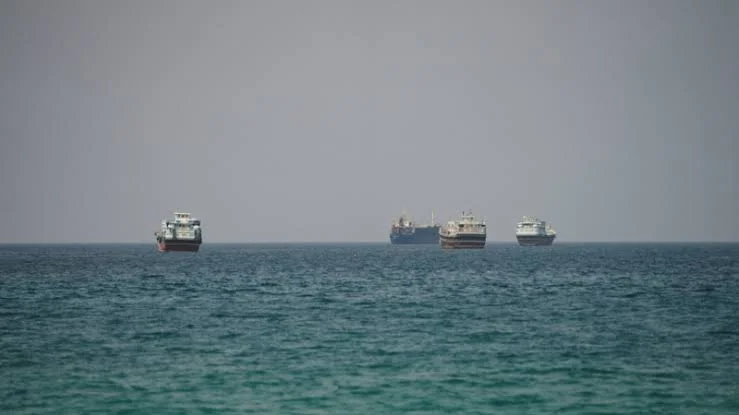

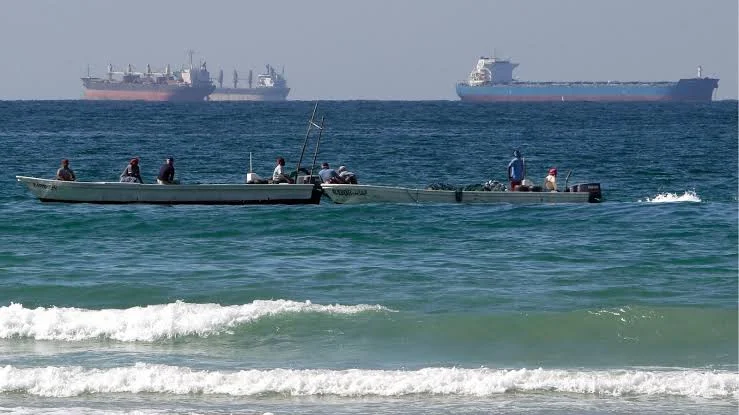
Oil markets are facing renewed pressure as escalating attacks across the Middle East collide with weakening diplomatic efforts to secure the region’s critical energy routes. Brent crude climbed above $107 a barrel after fresh strikes involving Saudi Arabia and shipping near the Strait of Hormuz, highlighting how quickly geopolitical risk is translating into higher energy costs.
The latest escalation comes after Saudi Arabia’s East-West oil pipeline was forced to shut following a drone attack. The pipeline provides an alternative route for moving crude without relying on the Strait of Hormuz, and its disruption has raised concerns that exports equivalent to roughly 4% of global oil supply could be affected if the shutdown continues. Saudi Arabia’s available export stock at Yanbu is reportedly limited to several days.
The timing is particularly damaging because diplomacy has also stumbled. A planned meeting involving Iran and Gulf Arab states on arrangements for shipping through the Strait of Hormuz was postponed after regional parties failed to reach consensus. The delay removes an important potential mechanism for reducing tensions around one of the world’s most important energy chokepoints.
The stakes are global. Under normal conditions, the Strait of Hormuz carries roughly one-fifth of the world’s oil supply. With shipping already sharply reduced, any prolonged disruption could increase freight costs, tighten physical crude markets and push inflation higher in oil-importing economies.
What makes the current oil surge particularly worrying is the combination of physical disruption and geopolitical uncertainty. Markets can absorb temporary attacks if alternative supply routes remain available. But when infrastructure, shipping lanes and diplomatic channels are simultaneously under pressure, traders begin pricing in a longer-lasting supply shock.
For consumers, the consequences extend beyond petrol prices. Higher crude costs can eventually feed into aviation, transportation, manufacturing, electricity and food prices. For oil-importing countries such as India, the combination of expensive crude and a weaker currency could add another layer of economic pressure.
The immediate question is therefore not simply how high oil prices can rise, but how long the disruption lasts. A credible diplomatic breakthrough could quickly remove part of the geopolitical premium. Without one, every new attack risks pushing the energy market into a more dangerous phase.