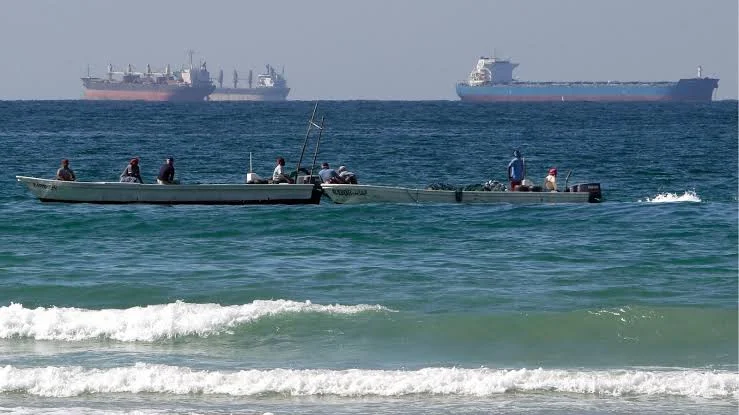

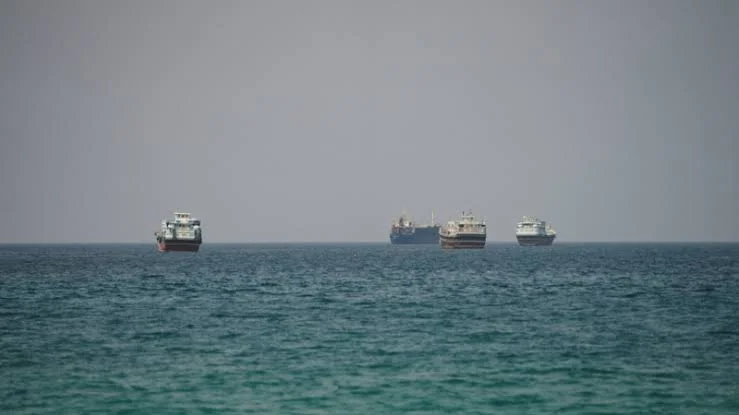
Diplomatic efforts to restore stability around the Strait of Hormuz have suffered a setback after Oman postponed planned talks between Iran and Gulf countries, citing the need to build regional consensus. The meeting had been scheduled in Salalah to discuss arrangements for safer shipping through one of the world’s most strategically important maritime routes.
The postponement comes at a particularly sensitive moment. The proposed talks were expected to build on months of discussions between Iran and Oman over a framework for managing maritime traffic through the strait. Tehran has indicated that it wants arrangements that recognise its role in the waterway, while Oman has been pushing for safe and uninterrupted navigation.
The diplomatic setback is being compounded by fresh security incidents. An Iranian commercial vessel was hit near Qeshm Island, while another vessel was struck by a projectile while transiting the Strait of Hormuz, according to maritime authorities and regional reports. At the same time, a drone attack damaged Saudi Arabia’s East-West oil pipeline, increasing pressure on alternative routes for exporting Gulf crude.
The stakes extend far beyond the Gulf. Before the current conflict disrupted shipping, roughly one-fifth of global oil supplies passed through the Strait of Hormuz. Any prolonged disruption therefore threatens to push energy prices higher, increase transportation costs and add fresh inflationary pressure on economies that depend heavily on imported oil.
Oil markets have already reacted sharply. Brent crude moved above $108 a barrel after the postponement, underlining how quickly diplomatic uncertainty can translate into financial-market stress.
For Oman, the delay is a diplomatic challenge but not necessarily the end of mediation. Muscat has repeatedly positioned itself as a bridge between Iran and other regional powers. The fact that the meeting was postponed rather than cancelled leaves room for another attempt at consensus.
The bigger concern is whether the Gulf states can agree on a common approach while security incidents continue. Until that happens, the Strait of Hormuz will remain not only a military flashpoint but also one of the world economy’s biggest sources of energy and market risk.