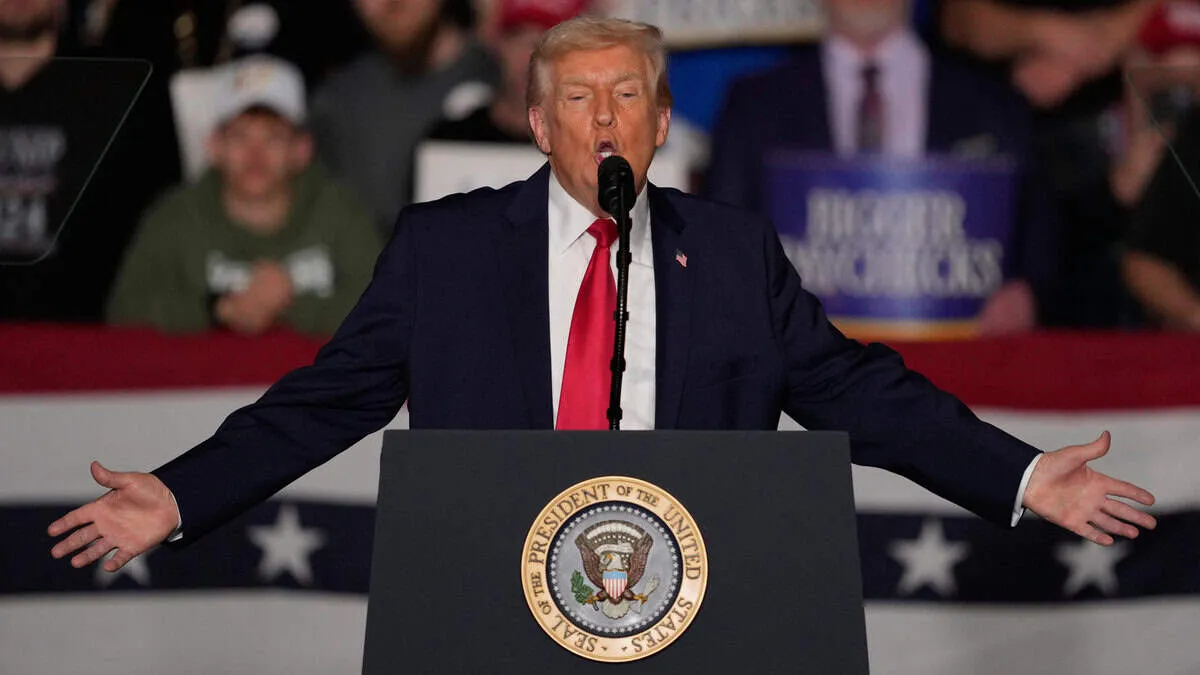

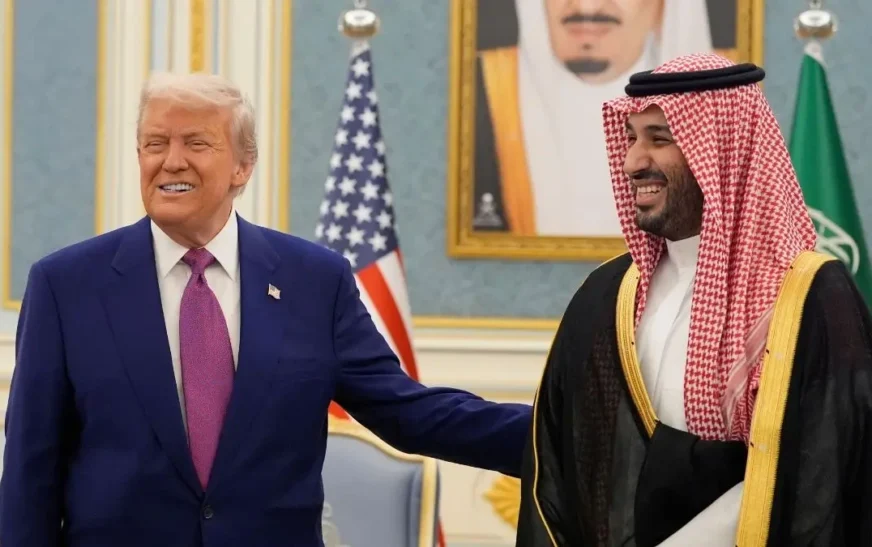
US President Donald Trump has approved a landmark 30-year civilian nuclear cooperation agreement with Saudi Arabia, paving the way for American companies to help develop the kingdom’s nuclear energy sector. The proposed agreement has attracted international attention because it could permit Saudi Arabia to enrich uranium for civilian purposes, a provision that has raised concerns among lawmakers and nuclear non-proliferation experts.
The agreement, commonly known as a “123 Agreement” under the US Atomic Energy Act, is expected to be submitted to the US Congress for review. Unlike previous US nuclear cooperation agreements with countries such as the United Arab Emirates, the proposed Saudi deal reportedly does not require Riyadh to permanently forgo uranium enrichment or spent-fuel reprocessing—restrictions often referred to as the “gold standard” of nuclear non-proliferation.
If approved, the agreement would enable US companies to participate in the construction and development of Saudi Arabia’s civilian nuclear power programme. The deal is expected to be worth tens of billions of dollars and is seen as an opportunity for American firms to compete with Chinese and Russian companies for major infrastructure projects in the kingdom.
The possibility of allowing uranium enrichment has drawn criticism from nuclear security experts, who argue that enrichment technology can be used for both civilian energy production and, if further developed, nuclear weapons programmes. Although Saudi Arabia maintains that its nuclear ambitions are entirely peaceful, Crown Prince Mohammed bin Salman has previously stated that the kingdom would seek nuclear weapons if Iran were to acquire them.
Another point of concern is that the reported agreement may not require Saudi Arabia to adopt the International Atomic Energy Agency (IAEA) Additional Protocol, which allows for expanded international inspections and stronger safeguards against the diversion of nuclear material. Critics argue that omitting these provisions could weaken global non-proliferation standards.
Supporters of the agreement argue that closer nuclear cooperation with Saudi Arabia would strengthen strategic ties between Washington and Riyadh while ensuring that the kingdom’s civilian nuclear programme develops under US oversight rather than through partnerships with rival powers. They also contend that American involvement would provide greater transparency than allowing Saudi Arabia to rely on alternative suppliers.
The proposed agreement now enters a 90-day congressional review period, during which lawmakers will examine its provisions. Congress has the authority to reject the pact, although overriding a presidential veto would require a two-thirds majority in both chambers. The review is expected to trigger extensive debate over national security, regional stability, and the future of US nuclear cooperation with allies in the Middle East.
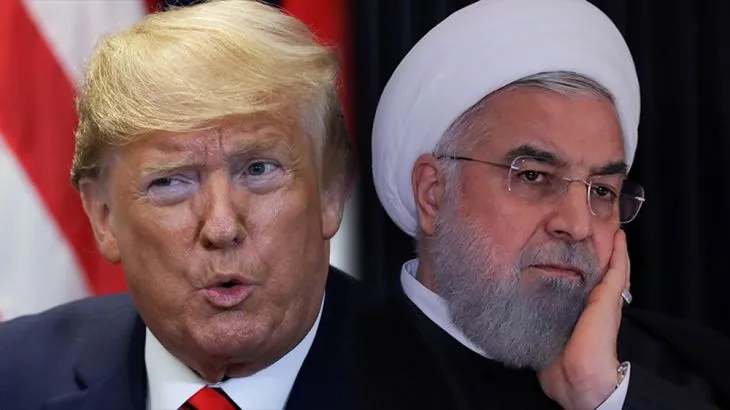
The announcement comes at a time of heightened tensions across the Middle East, particularly amid ongoing concerns over Iran’s nuclear programme and recent regional conflicts. Analysts believe the outcome of the congressional review could significantly influence the future balance of power in the region and shape international efforts to prevent the spread of nuclear weapons.