
Tensions between the United States and Iran remain extremely high as President Donald Trump warned that Washington could launch fresh military strikes “within days” if ongoing peace negotiations fail, while Tehran threatened to open “new fronts” in response to any renewed aggression.
According to live developments reported Wednesday, diplomatic efforts are continuing behind the scenes to finalise a possible framework agreement between Washington and Tehran. Reports suggest mediators including Pakistan, Qatar, Oman, and Gulf nations are actively involved in trying to prevent another major escalation in the Middle East.
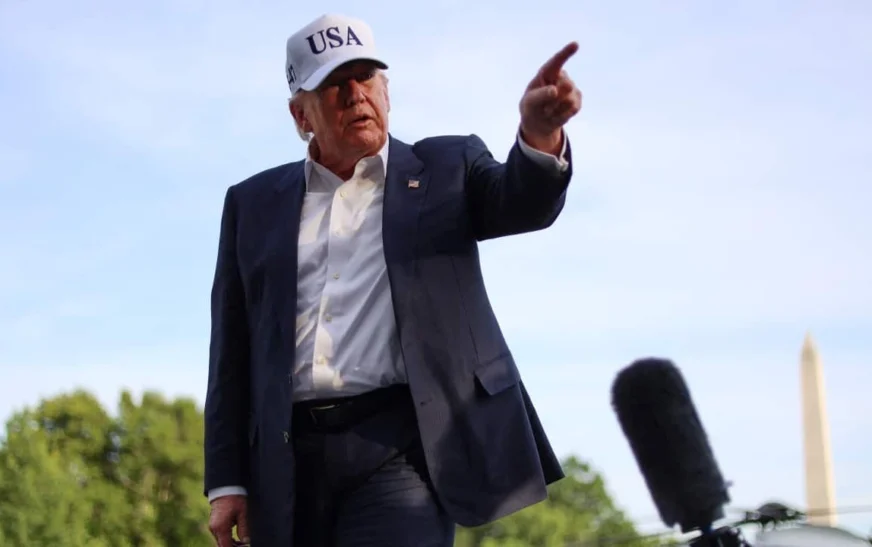
Trump stated that the United States was “on the borderline” of a deal with Iran but warned that military options remain fully open if Tehran refuses key American demands regarding nuclear restrictions and regional security. He also claimed that Iran’s leadership was eager to reach an agreement.
US Vice President JD Vance said negotiations had made “a lot of progress” and described the talks as being in a “pretty good spot,” but added that the United States remains “locked and loaded” if diplomacy collapses.
Iranian officials, however, responded with strong warnings. Iran’s Revolutionary Guards reportedly vowed to bring enemies to “ruin” if Tehran faces another attack, while Iranian leaders said all response options remain open.
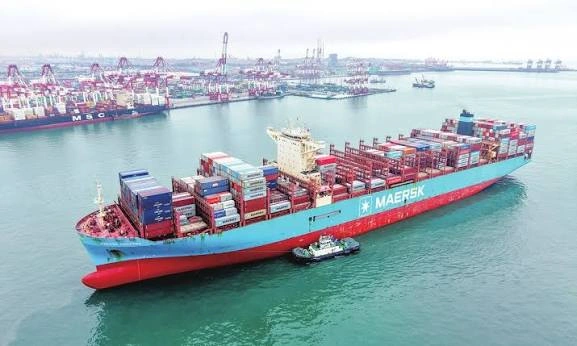
The conflict has already caused major disruptions across global markets and energy supply chains. Oil prices initially surged above $100 per barrel due to fears surrounding the Strait of Hormuz, though prices later dipped after Trump suggested negotiations were entering the “final stages.”
Reports also indicated that Iran is now seeking a new security framework with Oman and other Gulf nations to ensure safe shipping through the Strait of Hormuz, one of the world’s most important oil transit routes.
Meanwhile, geopolitical tensions reportedly increased after the US military boarded and later released an Iranian-flagged oil tanker in the Gulf of Oman during a sanctions enforcement operation.
Diplomatic friction has also emerged between Washington and Israel over a proposed peace initiative. Reports suggest Israeli Prime Minister Benjamin Netanyahu had a tense phone call with Trump regarding possible concessions to Iran under the proposed deal.
Analysts warn that although negotiations appear active, the situation remains highly unstable because disagreements continue over Iran’s nuclear programme, sanctions relief, military presence in the Gulf region, and control over shipping lanes.
Global markets, airlines, shipping companies, and governments are now closely monitoring developments as fears remain that even a small military incident could trigger a wider regional conflict affecting energy supplies, inflation, and international trade.