
A Crisis Beyond Borders
The ongoing conflict involving the United States, Iran, and Israel is no longer confined to geopolitics — it is rapidly turning into a global economic disruption. What began as military escalation has now spilled into energy markets, trade routes, and financial stability worldwide.
At the centre of the latest escalation is the U.S. decision to impose a naval blockade on Iran, following failed peace talks.
Iran has strongly reacted, calling the move a “gross violation of sovereignty” and urging the United Nations to intervene, warning that such actions threaten global peace and trade.
The Strait of Hormuz: The World’s Economic Lifeline
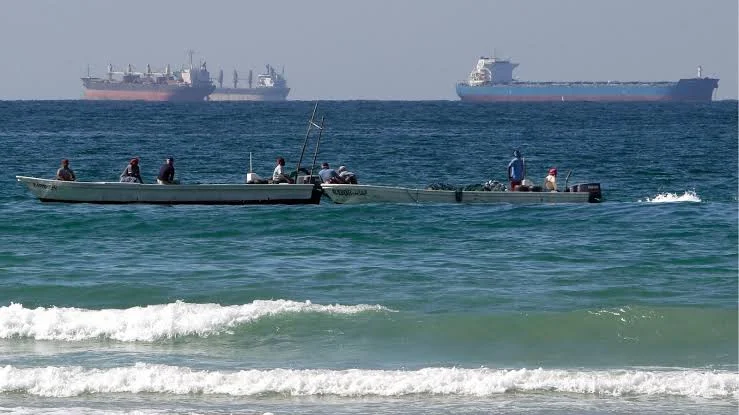
The real impact of this confrontation lies in geography. The Strait of Hormuz — through which nearly 20% of the world’s oil supply flows — has become the focal point of tension.
With Iran restricting access and the U.S. attempting to control movement, global shipping has been disrupted. The result:
- Oil prices surging beyond $100
- Supply chains tightening
- Inflationary pressure building across economies
What was once a regional conflict is now influencing fuel prices in cities thousands of miles away.
Economic Shockwaves — Including in the U.S.
Ironically, the economic consequences are not sparing the United States itself.
Experts warn that the blockade could further raise oil prices and strain global markets, making it difficult for the U.S. to control inflation domestically.
Higher fuel prices translate directly into:
- Increased transportation and production costs
- Rising consumer prices
- Pressure on economic growth
In attempting to assert control, Washington may be triggering a cycle that weakens its own economic stability.
Diplomacy Collapses, Uncertainty Rises
Iran has also warned of “provocative actions” in its diplomatic engagements, including calls with global powers like Russia. The message is clear — tensions are not easing; they are hardening.
The absence of a breakthrough in talks has only deepened mistrust, while military positioning continues to escalate risks.
Power Without Balance Comes at a Cost
The unfolding crisis highlights a critical reality of modern geopolitics —
economic systems are deeply interconnected.
Actions taken in the name of strategic dominance can ripple across continents, affecting not just adversaries, but allies and even the initiator itself.
The United States may be seeking leverage,
but the cost of that leverage is being paid globally —
and increasingly, at home.