
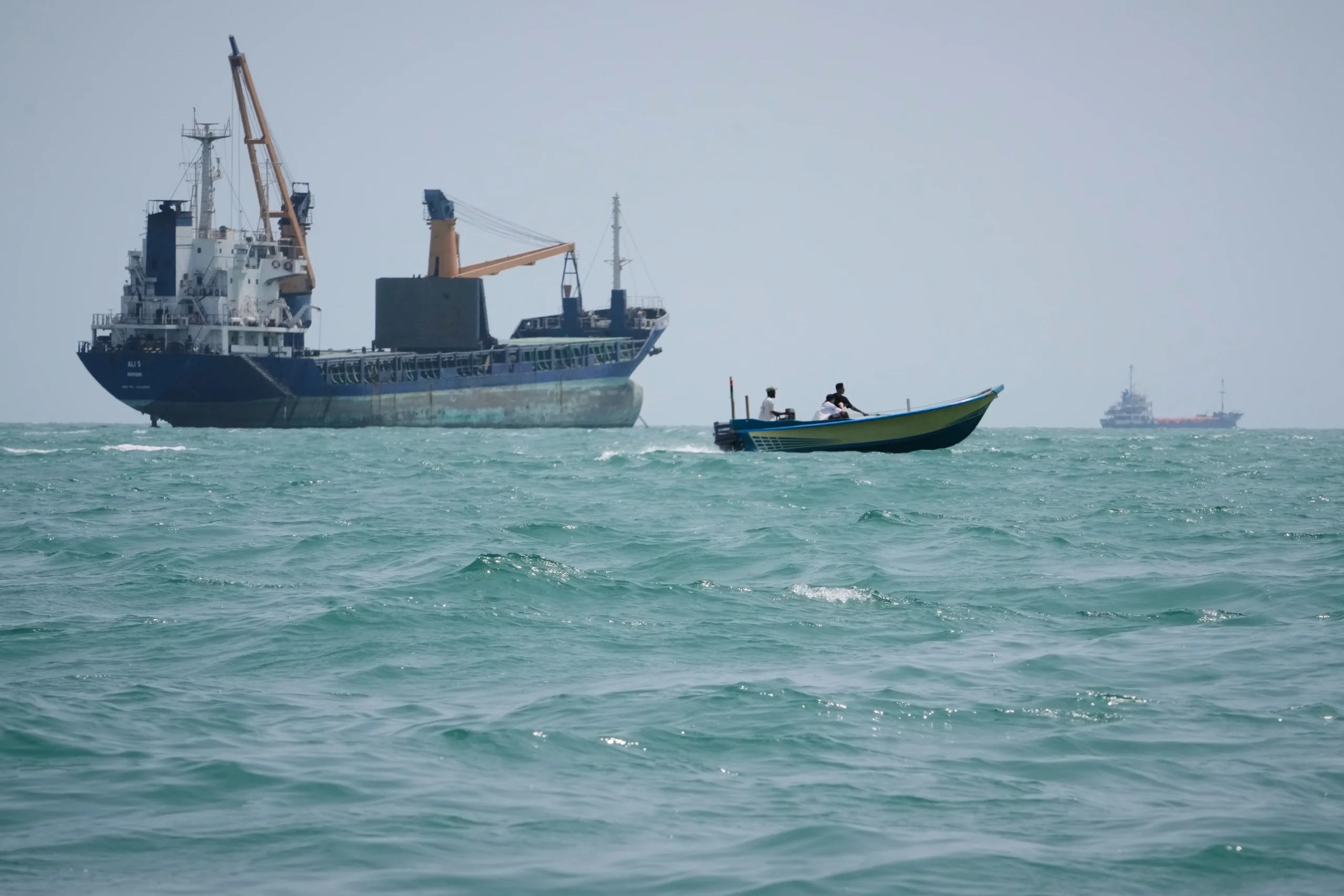
Iran’s plan to establish a “prohibited zone” near the Strait of Hormuz could significantly raise the stakes in the growing confrontation with the United States. Iran’s Supreme National Security Council secretary Mohsen Rezaei said the zone would be announced in the coming days and would cover areas extending from the US naval blockade line into the Persian Gulf. Ships entering the zone could be placed on an Iranian sanctions list.
The announcement comes as maritime tensions have already intensified. The US has been enforcing a naval blockade aimed at restricting Iranian oil exports, while Iran has targeted or restricted vessels attempting to navigate the strategic waterway. Reuters reported that tanker traffic through Hormuz has fallen to around 10 ships a day, its lowest level since May.
Why Hormuz Matters to the World
The Strait of Hormuz is one of the world’s most important energy chokepoints. Any prolonged disruption can quickly affect crude oil, liquefied natural gas, shipping insurance and freight costs. With Brent crude already rising to around $97 a barrel amid the latest maritime escalation, markets are beginning to price in a greater risk of supply disruption.
For Iran, the proposed zone appears designed to increase pressure on shipping while creating leverage against the US blockade. But the strategy also carries risks for Tehran because aggressive restrictions could further isolate Iranian trade and trigger stronger international opposition.
The situation is particularly important for Asian economies, including India, which depends heavily on imported energy and maintains significant commercial interests across the Gulf.
The Bigger Strategic Question
The proposed zone is not simply another maritime restriction. It represents a widening contest over who controls movement through Hormuz. The US wants to keep the waterway open through naval power, while Iran is seeking to turn access into a bargaining tool.
Unless diplomacy regains momentum, every new restriction around Hormuz could increase the economic cost of the conflict far beyond the Middle East.