
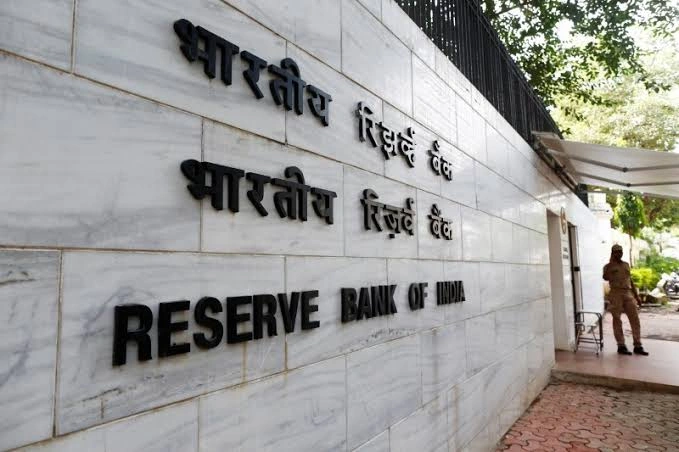
The Reserve Bank of India (RBI) is expected to leave its benchmark repo rate unchanged at its upcoming Monetary Policy Committee (MPC) meeting, even as several major central banks across the world have resumed raising interest rates in response to inflationary pressures. A Reuters poll found that 68 of 72 economists expect the RBI to maintain the current policy rate.
The decision would reflect the RBI’s cautious approach as it balances inflation risks, economic growth, currency stability, and global uncertainty.
Why the RBI Is Expected to Stay on Hold
Although India’s retail inflation rose to 4.38% in June, exceeding the RBI’s 4% target for the first time in 17 months, it remains within the central bank’s tolerance band of 2% to 6%. Core inflation has also stayed relatively stable, giving policymakers room to avoid an immediate rate hike.
Economists believe the RBI will continue to monitor incoming inflation and growth data before considering any policy tightening.
Global Central Banks Have Turned More Hawkish
While India is expected to pause, several central banks have increased borrowing costs in recent months.
Countries including Australia, Indonesia, the Philippines, Singapore, South Korea, South Africa, and parts of Europe have raised interest rates amid concerns over rising inflation linked to geopolitical tensions and higher energy prices. Meanwhile, the US Federal Reserve and the Bank of Japan have kept their benchmark rates unchanged.
Inflation Risks Remain
The RBI has acknowledged that inflationary pressures are building.
Higher wholesale inflation, increasing inflation expectations, and elevated global crude oil prices continue to pose risks. However, RBI Governor Sanjay Malhotra has indicated that there is currently limited evidence of fuel price increases feeding into broader inflation across the economy.
Many economists expect the RBI to adopt a more cautious or “hawkish” tone while leaving rates unchanged.
Measures to Support the Rupee
Rather than raising interest rates to defend the Indian rupee, the RBI has introduced alternative measures to attract foreign capital.
These include easing tax rules for foreign investors in government bonds and enhancing deposit schemes for non-resident Indians. According to Reuters, these measures have helped attract nearly $40 billion in inflows, supporting the rupee despite global volatility.
Markets Eye Future Rate Hikes
Although no immediate change is expected this week, financial markets are pricing in the possibility of rate increases over the coming months if inflation continues to strengthen.
Some analysts believe that sustained increases in consumer prices, coupled with higher inflation expectations and pressure on the rupee, could prompt the RBI to tighten monetary policy later this year.
What Happens Next?
The RBI’s Monetary Policy Committee is expected to announce its decision after concluding its policy meeting this week. Investors, businesses, and borrowers will closely watch not only the repo rate decision but also the central bank’s guidance on inflation, growth, liquidity, and future policy direction.
For now, the consensus remains that the RBI will prioritize stability by maintaining interest rates while keeping a close watch on domestic inflation and evolving global economic conditions.
I can also format this into a 1,000-word SEO news article suitable for WordPress with FAQs, schema suggestions, and internal linking recommendations.