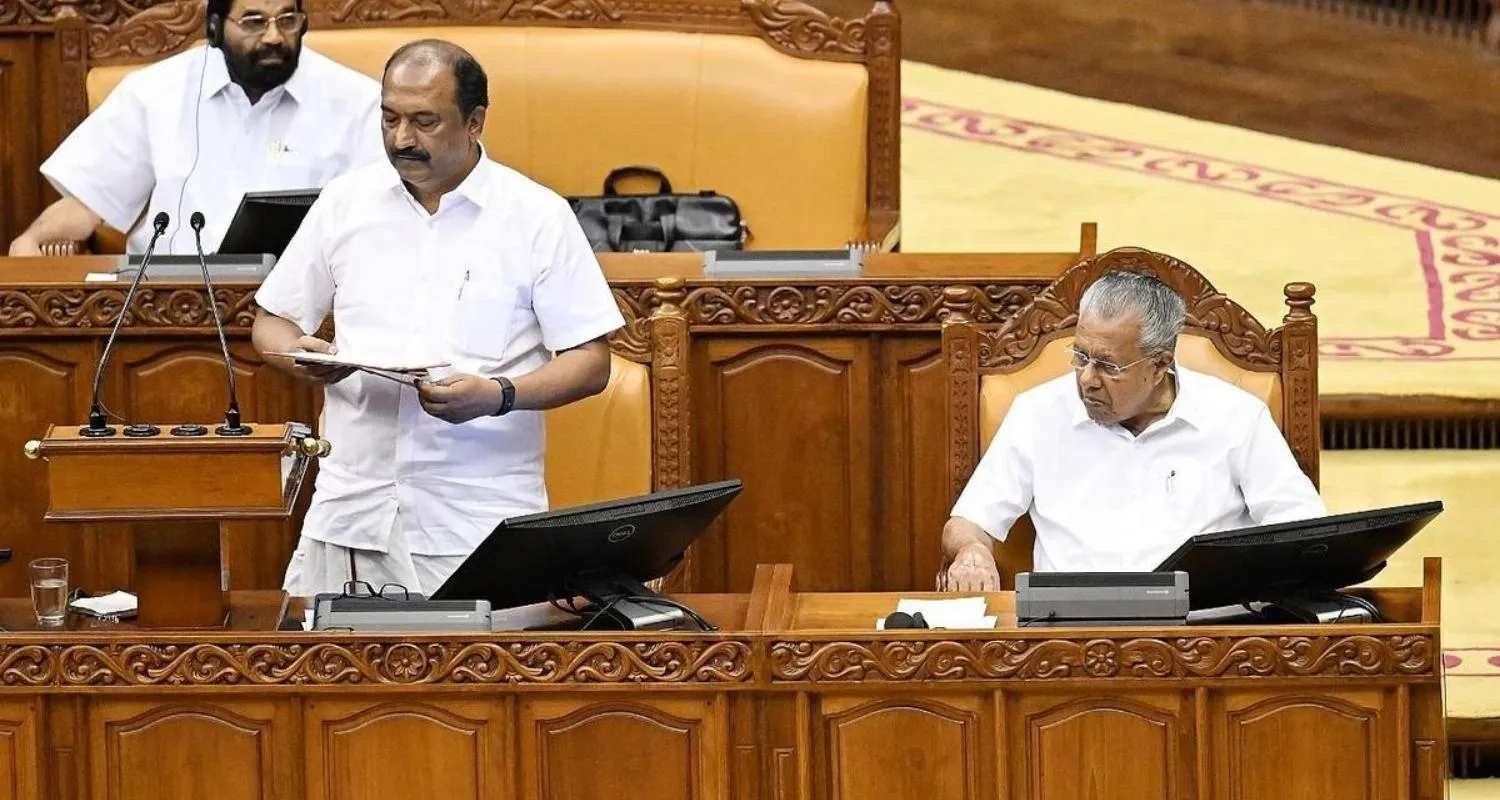

The CMRL pay-off case has entered a more serious phase after the Enforcement Directorate sought registration of a separate corruption FIR against former Kerala Chief Minister Pinarayi Vijayan, his daughter T Veena and son-in-law P A Mohammed Riyas. The ED has forwarded its findings to the Kerala Police under Section 66(2) of the Prevention of Money Laundering Act.
At the centre of the case are alleged payments from Cochin Minerals and Rutile Limited (CMRL) to Veena’s now-defunct company, Exalogic Solutions. The ED alleges that ₹2.78 crore was paid to Veena and her company as consultancy and IT-service payments despite the agency’s claim that corresponding services were not actually delivered. It has now alleged a wider ₹3.28-crore payment involving Vijayan. These remain allegations that must be examined through due legal process.
Why the FIR Request Matters
The latest move is significant because the ED’s money-laundering investigation has now been linked to an alleged predicate offence under the Prevention of Corruption Act. The agency has handed the material to the state authorities, meaning the next stage will depend on scrutiny by the Kerala Police or the Vigilance and Anti-Corruption Bureau.
The ED has also alleged a wider financial trail, including handwritten records and transfers to Dubai. Earlier searches reportedly uncovered entries involving ₹20.05 crore in Indian currency and AED 3.49 lakh. The agency is examining whether these transactions have links to the alleged financial network.
Politically, the timing is particularly significant. Vijayan is now Kerala’s Leader of the Opposition, while Riyas remains a prominent CPI(M) leader. Any formal police case could intensify pressure on the party and make the CMRL controversy a major political issue.
However, an ED allegation or FIR does not establish guilt. The decisive question will be whether investigators can independently substantiate the alleged payments, their purpose and the wider money trail.
The case has therefore moved from political controversy towards a potentially consequential legal and institutional test of accountability in Kerala.