
The US-Iran conflict has entered a more dangerous phase after the United States destroyed five Iranian oil tankers and Tehran retaliated with missile strikes against a US-linked military base in Jordan. The latest exchange shows how the confrontation is moving beyond direct military targets and increasingly threatening energy infrastructure and international shipping.
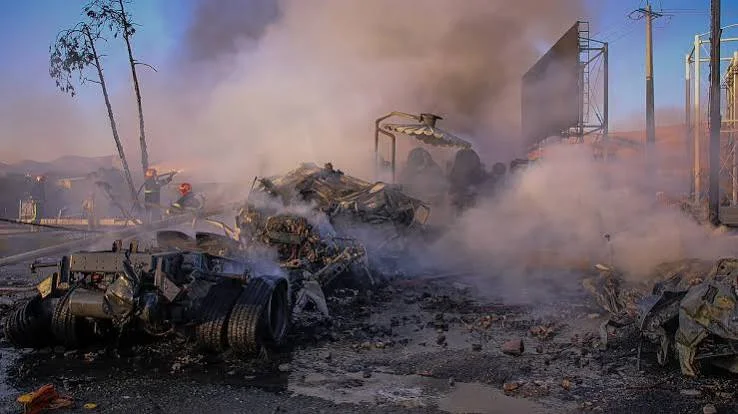
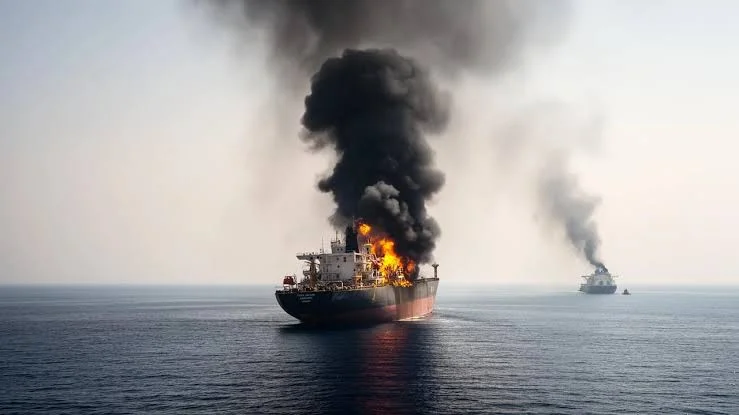
US Central Command said the five tankers were destroyed after Iran’s Islamic Revolutionary Guard Corps allegedly targeted a US Navy warship with ballistic missiles twice over two days. The US said its warship avoided the attacks and that no American personnel were injured. Crews aboard the tankers were reportedly instructed to abandon the vessels before they were struck.
Iran responded by launching ballistic missiles towards the Al Azraq base in Jordan, where US forces are stationed. Jordan said its air defences intercepted 18 of 20 missiles, with the remaining two landing in unpopulated areas and no casualties reported. Tehran has claimed damage to US facilities, but those claims have not been independently verified.
Hormuz Is Becoming the Main Battlefield
The most serious consequence may be economic rather than military. Iran has threatened vessels operating around the Strait of Hormuz, while Washington is attempting to maintain maritime access and restrict Iranian oil exports. The waterway previously carried roughly one-fifth of global oil flows, making prolonged disruption a major threat to energy markets.
Oil prices briefly approached $100 a barrel, reflecting fears that further attacks could disrupt global supplies. For countries such as India, prolonged high crude prices could increase import costs and add pressure to inflation.
The central danger is now a cycle of retaliation: US strikes on Iranian energy assets trigger Iranian attacks on American forces and shipping, prompting further US action.
Unless diplomacy interrupts that cycle, the conflict risks becoming not only a Middle East war but a global energy and shipping crisis.