
Use up and down arrow keys to resize the meta box pane.
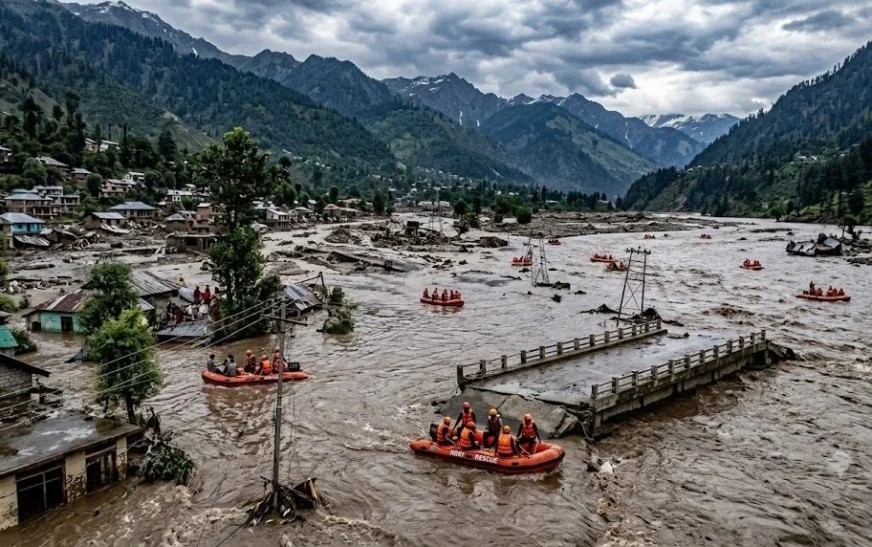
Nepal is facing one of its most devastating natural disasters in recent years as rescue teams continue searching through mud, debris and damaged infrastructure following catastrophic flash floods along the Nepal-China border. The disaster has killed hundreds of people, while more than 3,000 remain missing across Nepal and Tibet.
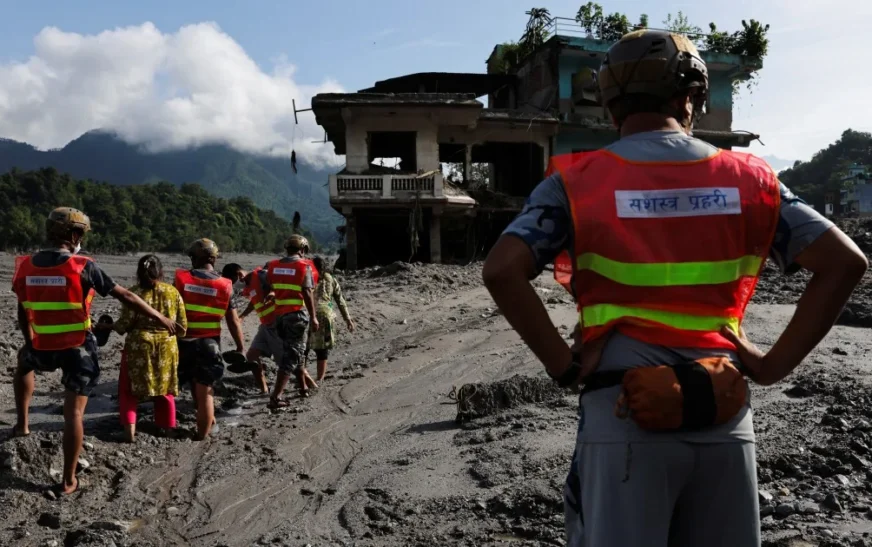
The latest rescue effort is focused particularly on hydropower facilities, where hundreds of workers are feared trapped inside tunnels blocked by debris. Nepalese rescue teams, supported by Indian and Chinese specialists, are working to locate survivors as difficult terrain, unstable conditions and continuing flood risks complicate operations.
The scale of the disaster has made the recovery operation extremely challenging. Entire communities have been damaged or destroyed, roads and bridges have been swept away and communication networks have been disrupted. More than 90,000 people are estimated to have been affected, turning the emergency into a major humanitarian crisis.
A Race Against Time
The search for people trapped inside hydropower tunnels has become one of the most urgent parts of the operation. Rescue teams are attempting to reach areas where access has been blocked by enormous quantities of mud, rocks and debris. The longer the search continues, the more difficult the chances of finding survivors become.
Use up and down arrow keys to resize the meta box pane.
Nepal has deployed thousands of security personnel, troops and volunteers for rescue and relief operations. China has also deployed more than 2,000 rescuers, while India has provided assistance and technical support.
The disaster was triggered by a massive glacier and rock collapse in the Himalayas, producing a sudden torrent of water, ice, mud and debris. Scientists and officials have warned that increasing instability in the Himalayan environment could make such disasters a growing concern.
Beyond the Immediate Rescue
The tragedy is not only a rescue challenge but also a long-term reconstruction crisis. Nepal’s government has estimated that rebuilding damaged infrastructure could require billions of dollars, with hydropower projects, roads, bridges and communities among the hardest-hit areas.
The disaster also highlights the importance of early-warning systems and cross-border information sharing. Himalayan rivers and glaciers do not follow political boundaries, meaning that a geological event in one country can rapidly create a humanitarian emergency in another.
For Nepal, the immediate priority remains finding the missing and helping survivors. But once rescue operations conclude, authorities will face difficult questions about disaster preparedness, infrastructure planning and whether communities in vulnerable mountain regions have adequate warning systems.
The latest tragedy is therefore more than a devastating flood. It is a warning about the growing risks facing Himalayan communities and the urgent need for stronger disaster monitoring, regional cooperation and climate-resilient infrastructure.
Use up and down arrow keys to resize the meta box pane.
Use up and down arrow keys to resize the meta box pane.