

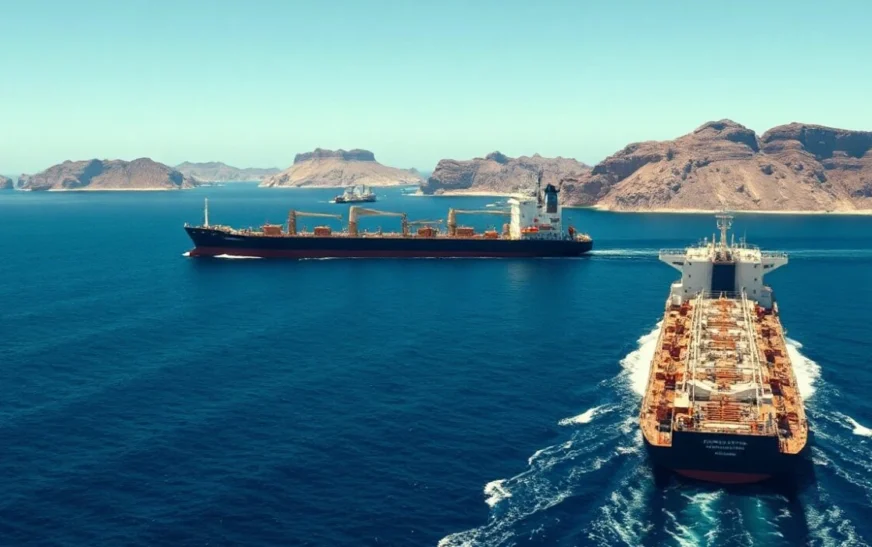
The United States, Iran, and Oman are reportedly in the final stages of negotiating an interim agreement to restore commercial shipping through the Strait of Hormuz, one of the world’s most critical energy and trade corridors. According to reports, a formal announcement could be made as early as Wednesday if the remaining issues are resolved.
The proposed arrangement follows weeks of intensive diplomatic efforts aimed at easing tensions in the Gulf after recent disruptions to maritime traffic and military confrontations in the region.
What the Proposed Deal Includes
According to reports, the agreement would establish a 60-day interim framework to facilitate the safe movement of commercial vessels through the Strait of Hormuz. The temporary arrangement could be extended if all parties agree and negotiations continue to make progress.
The deal is also intended to:
- Reopen commercial shipping through the Strait of Hormuz.
- Reinforce the existing US-Iran ceasefire.
- Create time for broader negotiations on Iran’s nuclear programme.
- Reduce the risk of further military escalation in the Gulf.
Oman Continues Its Mediation Role
Oman has once again emerged as the principal mediator between Washington and Tehran.
Muscat has long maintained diplomatic channels with both countries and has played a key role in facilitating indirect negotiations during previous regional crises. Recent discussions have also involved support from regional partners including Qatar, Saudi Arabia, and Pakistan, reflecting a wider effort to stabilize the Gulf.
Why the Strait of Hormuz Matters
The Strait of Hormuz is among the world’s most strategically important waterways, carrying a significant share of global crude oil and liquefied natural gas exports.
Recent attacks on commercial vessels and heightened regional tensions have disrupted shipping, increased insurance costs, and contributed to volatility in global energy markets. Restoring safe navigation is therefore a priority for governments and the shipping industry alike.
Nuclear Talks Also on the Agenda
Beyond maritime security, the proposed agreement is expected to provide a diplomatic opening for renewed discussions on Iran’s nuclear programme.
While the interim arrangement is primarily focused on shipping and regional stability, officials view it as an opportunity to resume broader negotiations that had stalled amid recent hostilities.
No Final Agreement Yet
Despite reports of significant progress, officials have emphasized that no final agreement has been signed.
Negotiators are continuing to work on the remaining details, and the expected announcement will depend on all parties formally approving the interim framework.
Global Significance
A successful agreement could help restore confidence in one of the world’s busiest maritime trade routes, reduce pressure on global oil prices, and lower the risk of further military confrontation in the Gulf.
However, analysts note that the proposed arrangement is an interim measure, and achieving a lasting resolution will require broader agreements on regional security and Iran’s nuclear activities.