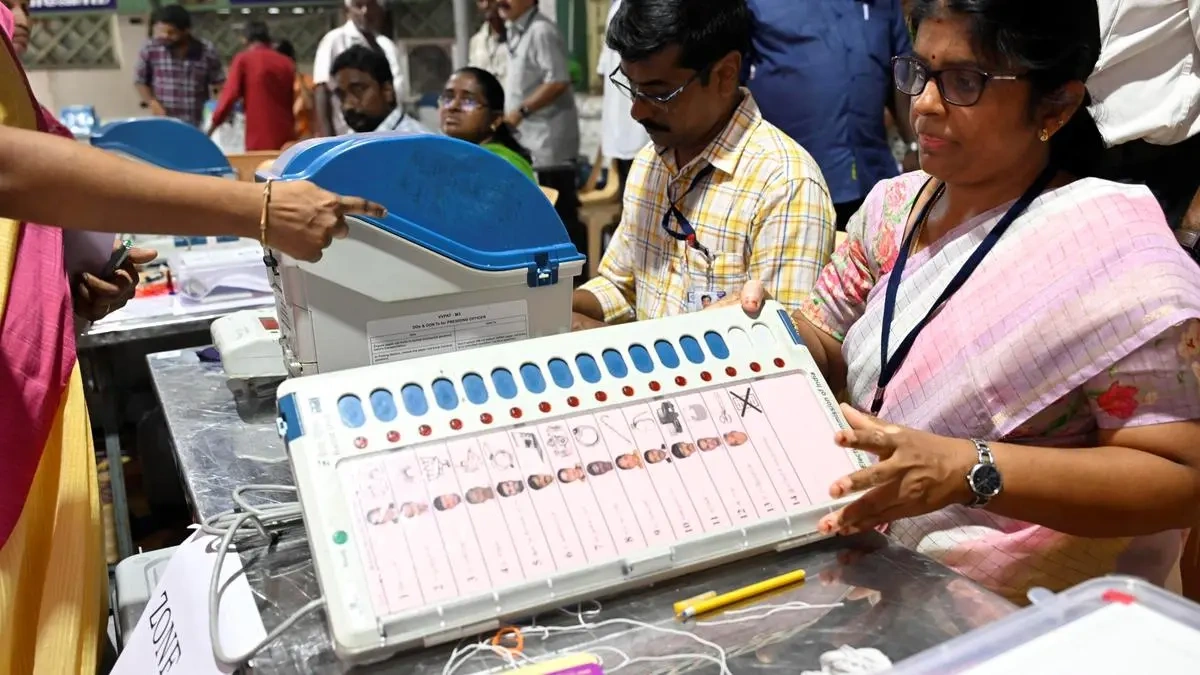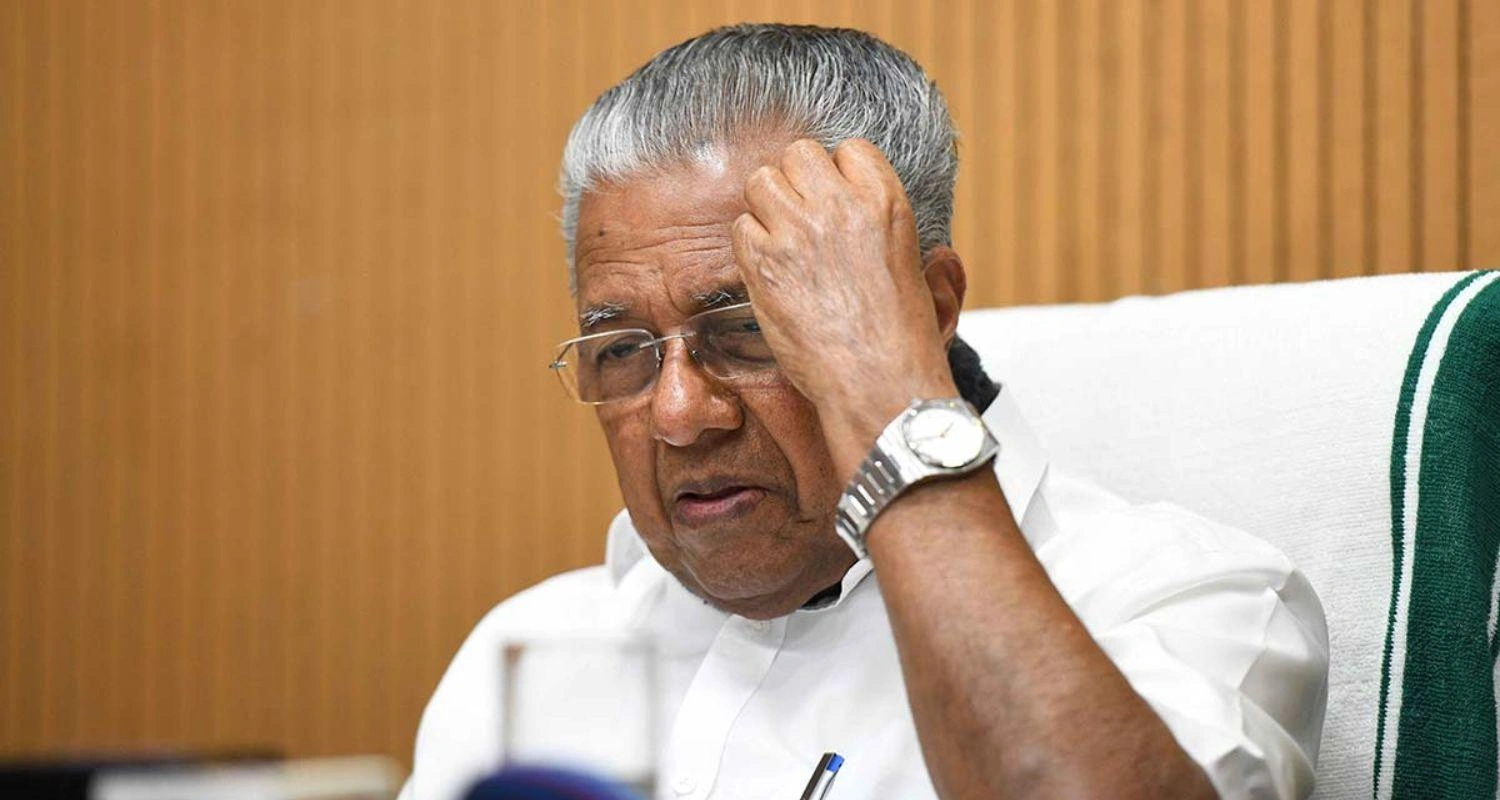

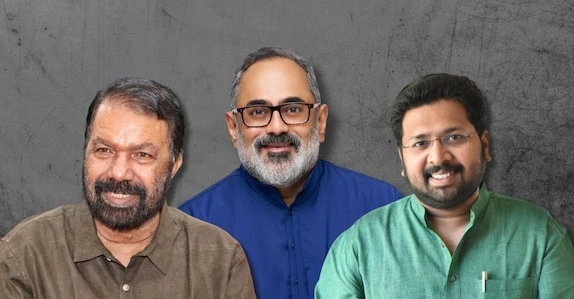
Nemom in Thiruvananthapuram has emerged as one of Kerala’s most high‑profile Assembly seats, with the 2026 verdict turning the constituency into a litmus‑test battle for the BJP’s claim to be a “gateway” force in the state. The Nemom Election Result 2026 pits CPI(M)’s Education and Labour Minister V. Sivankutty, seeking a third term, against BJP national president Rajeev Chandrasekhar and Congress‑led UDF’s K. S. Sabarinadhan, making it a key bellwether of shifting voter equations in the capital‑region.
Why Nemom matters in Kerala politics
Nemom is symbolic because it is the only Kerala Assembly seat the BJP has ever won (in 2016) and has since shifted hands between BJP and CPI(M), with the Left reclaiming it in 2021 through Sivankutty by a 3,949‑vote margin. The 2026 contest is framed as a three‑cornered fight that tests whether the BJP can consolidate its presence in the state, whether the LDF can retain its hold on the Left‑heartland capital belt, and whether the UDF‑Congress can position itself as a deciding factor in a tight‑population‑seat.
For the BJP, winning or even significantly narrowing the margin in Nemom would be read as a sign that the party’s narrative of national‑centric identity and Hindutva‑plus‑development is gaining traction in the southern capital. For the LDF, holding the seat reinforces the CPI(M)’s claim that Kerala remains a two‑major‑alliance‑centric polity, with the BJP stuck at the margins. For the Congress‑UDF, the performance in Nemom will signal whether it is eroding or trimming the BJP’s base in the state’s urban‑coastal belt.
Candidates and campaign dynamics
V. Sivankutty, the incumbent minister and CPI(M)‑anchored LDF candidate, campaigns on continuity of governance, welfare‑scheme delivery, and the party’s long‑term hold in the Nemom‑Kovalam‑Kazhakootam belt, where he has built a strong pedagogical‑and‑youth‑connect as education minister. The 2021 result, with Sivankutty polling 55,837 votes (38.2 per cent), against BJP’s Kummanam Rajasekharan’s 51,888 (35.5 per cent), already demonstrated that the Left base here is robust but not monolithic.
BJP fields Rajeev Chandrasekhar, who suffered defeat here in 2024 when contesting the Thiruvananthapuram Lok Sabha seat against Congress’ Shashi Tharoor, turning the 2026 Assembly race into a redemption‑style battle. The party leans on his national‑level image, central‑campaign‑links, and the argument that Nemom is a “gateway” to BJP’s broader Kerala expansion. The Congress‑UDF, represented by K. S. Sabarinadhan, hopes that the UDF‑vote consolidation can tilt the result in the 2026 three‑cornered contest, building on the Congress’s improved vote share in 2021 compared with previous years.
Key issues in the Nemom 2026 contest
Voters in Nemom are weighing a mix of development concerns—infrastructure, traffic management, and public‑transit linkages to Technopark and Kovalam—alongside identity‑centric and governance‑performance narratives. The BJP’s campaign focuses on security, cultural‑assertion, and the perception that the Left‑led government has not done enough for certain minority‑groups, while the CPI(M) counters with claims of welfare‑centric, welfare‑centric, and secular‑governance delivery.
The Congress‑UDF, in turn, pitches on the need for a corrective‑governance alternative, particularly in the urban‑capital belt, arguing that neither the LDF nor the BJP represent the “middle‑ground” Kerala voter. The presence of AAP’s Vinu K and a minimal‑field SUCI‑candidate, Karamana Prasad, adds a layer of micro‑vote‑fragmentation that could benefit the BJP by eroding non‑INC‑LDF votes, especially in closely contested rounds.
Implications for Kerala and BJP’s prospects
The Nemom Election Result 2026 will be read as a key indicator of whether the BJP’s organisational‑push, combined with central‑branding, can break into the Left‑dominated Thiruvananthapuram‑area politics, or whether the CPI(M)’s hold in the capital belt remains resilient. A narrow LDF‑retention would be presented as proof that the BJP’s gateway‑narrative is still aspirational, whereas a BJP‑win or even a drastically reduced Left‑margin would energise the saffron‑camp ahead of the 2031 Assembly polls.
For the Congress‑UDF, the Nemom outcome also signals the extent to which the UDF‑vote base in the southern capital is consolidating in multi‑cornered contests, shaping how the alliance positions its candidates in the six other Assembly segments under the Thiruvananthapuram Lok Sabha seat. Collectively, the three‑cornered battle in Nemom reflects the broader fracture in Kerala’s politics, where the BJP’s rise, Left‑continuity, and Congress‑re‑entry intersect in a single, high‑stakes seat.