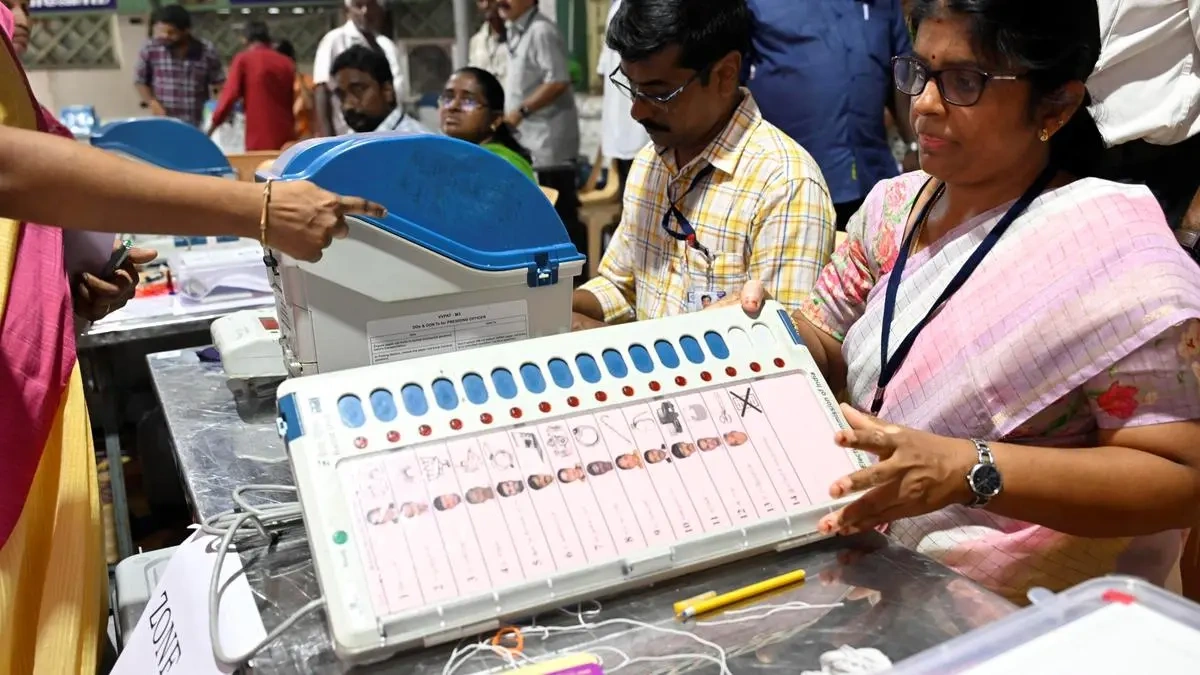


Assembly Election Results 2026 across Kerala, Tamil Nadu, West Bengal, Assam, and Puducherry have redrawn the federal political map, with incumbents broadly holding power but often under narrowed mandates while the BJP’s challenge deepened in multiple states. The counting on May 4 sealed the fate of 823 Assembly seats across these four states and one Union Territory, shaping the narrative of the Modi‑era mid‑term‑cycle politics.
Kerala: UDF‑led anti‑incumbency surge
In Kerala, the Congress‑led United Democratic Front (UDF) has emerged as the largest bloc, crossing the 70‑seat band and dislodging the CPI(M)‑led Left Democratic Front (LDF) from power after a decade. Early‑trend reports indicated UDF leading in about 90 constituencies, LDF in roughly 45, and NDA‑BJP in five seats, reflecting a strong anti‑incumbency‑plus‑governance‑grievance wave that cut into the CM’s personal bastions and key ministerial seats.
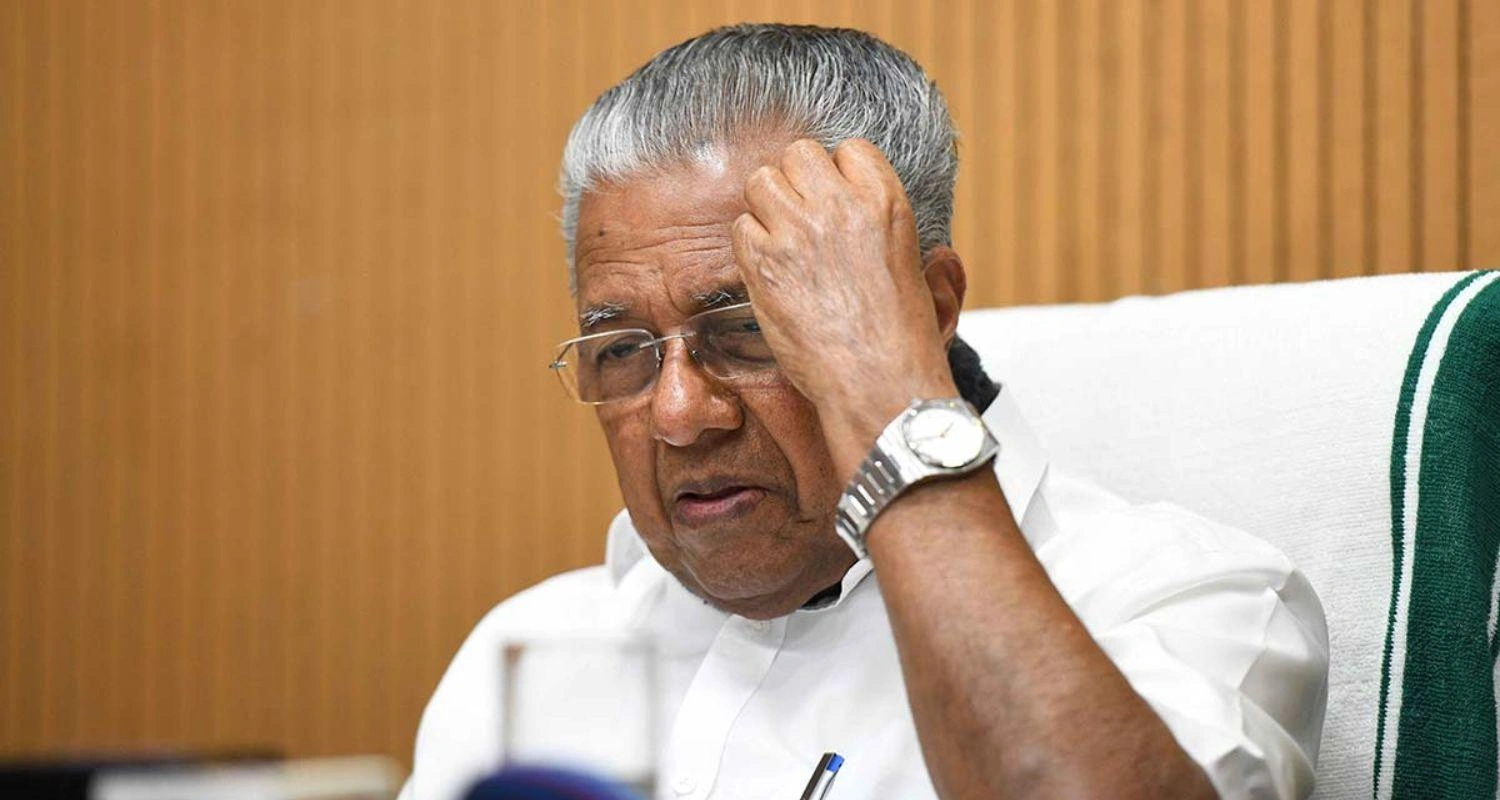
The LDF, anchored by Chief Minister Pinarayi Vijayan, remained the second‑largest bloc with about 47–50 seats, while the BJP‑led NDA improved its tally from the 2016 level, winning a handful of seats and consolidating the third‑front status in the state’s polity. The UDF’s return to power opens the door to a Congress‑lead government with a senior party leader likely to become Chief Minister, ending the LDF’s bid for a historic third‑consecutive term.
Tamil Nadu: DMK‑led alliance retains power
Tamil Nadu’s Assembly polls saw the DMK‑led alliance retain power, comfortably crossing the 118‑seat majority mark and paving the way for M.K. Stalin’s second term as Chief Minister. The alliance’s performance in urban centres such as Chennai, Coimbatore, and Madurai, along with resilience in the agrarian Delta districts, reflected that welfare‑centric, Dravidian‑identity‑anchored governance still outweighed the anti‑incumbency arguments of the AIADMK‑led bloc.
New entrant Vijay‑led TVK debuted with a notable presence, winning a modest basket of urban‑based seats and becoming a key minor player that can influence future seat‑sharing and coalition equations without yet emerging as a decisive kingmaker. The state recorded a record‑high turnout, underscoring the electorate’s closeness to the DMK‑AIADMK‑TVK three‑cornered contest.
West Bengal: TMC‑BJP bipolar verdict
West Bengal delivered a high‑stakes verdict as the Trinamool Congress (TMC), led by Mamata Banerjee, retained power but with a significantly reduced majority, while the BJP‑led opposition surged to around 140 seats, making it a strong opposition force. The state recorded its highest ever Assembly‑level turnout, around 92–93 per cent, reflecting an electorate highly engaged in the TMC‑BJP face‑off rather than any boycott‑style strategy.
The BJP made notable inroads in South Bengal, certain Kolkata‑district seats, and the Siliguri‑corridor belt, signalling that the party’s narrative of central‑centric security and anti‑infiltration can dent the TMC’s rural‑stronghold even if it is not yet enough to flip the state. The closely fought contests in Bhabanipur and Nandigram underlined how the Modi‑Mamata‑Suvendu triangle has reshaped Bengal’s politics into a near‑bipolar arena.
Assam and Puducherry: BJP‑led continuity
Assam saw the BJP‑led National Democratic Alliance, led by Chief Minister Himanta Biswa Sarma, secure a third consecutive term, crossing the 86–90‑seat range and consolidating the party’s hold in the Northeast. The Congress‑led opposition remained in the 30‑plus‑seat band, whereas the BJP‑AGP‑BPF combine translated its 2019–2021 base into a stable majority, demonstrating that narratives around development, security, and demographic reassurance still resonate with the electorate.
In Puducherry, the BJP‑led NDA retained power, albeit with a narrow margin, as the Congress‑DMK‑led INDIA bloc reduced the gap in the 30‑seat Legislative Assembly. The Union Territory recorded its highest ever Assembly‑poll turnout, turning the contest into a micro‑battleground for national‑level alliances and underscoring the BJP’s ability to hold onto small‑polity fortress‑states and UTs.
National implications of the 2026 verdict
The 2026 Assembly results across Kerala, Tamil Nadu, West Bengal, Assam, and Puducherry indicate that the BJP’s penetration is strong but not yet hegemonic, while the Congress‑led opposition remains fragmented and regionally constrained. For the BJP, the outcome in West Bengal and Puducherry especially will be read as a measure of how far its central‑centric campaign‑machinery can breach long‑standing regional strongholds.
For the Congress‑led INDIA bloc, the performance in Kerala and parts of Tamil Nadu offers a foothold but not a pan‑India‑level breakthrough, underscoring that the opposition’s path back to the Centre will depend on stitching together state‑level gains and stronger leadership‑unification rather than a single‑state‑level triumph.