

West Bengal Assembly Election Results 2026 have delivered a seismic shift as the BJP‑led alliance stormed past the 148‑seat majority mark and is now leading in 194–198 seats, while the Trinamool Congress finds itself in the 90‑plus‑seat band, staring at a comprehensive defeat after 15 years in power. The counting update on NDTV’s live‑blog confirms that the saffron‑camp has achieved a historic breakthrough in the 294‑seat West Bengal Assembly, dislodging the TMC‑era and rewriting the state’s political map.
BJP’s unprecedented gains and seat‑math
NDTV’s live‑tally for May 4 shows that the BJP has extended its lead from the 160s to the 190s, decisively crossing the 148‑seat threshold needed to form the government. The Trinamool, which had swept 215 seats in 2021, is now limited to 95–96 leads, while the Left‑Congress‑front combines for a handful of seats, underscoring the bipolar nature of Bengal politics.
The BJP’s surge in urban centres such as Kolkata, Howrah, and the Barrackpur‑Kolkata‑corridor, along with gains in traditional TMC‑strongholds like Diamond Harbour (nephew Abhishek Banerjee’s bastion), signals a deep realignment of the state’s vote base. The saffron‑camp’s performance in rural belts, where it now leads in 58 seats compared with 39 in 2021, marks the party’s first‑ever consolidation beyond its western‑frontier core.
Mamata‑Bhabanipur and Suvendu‑Nandigram battles
The high‑stake Bhabanipur contest between Chief Minister Mamata Banerjee and BJP’s Suvendu Adhikari remained a see‑saw battle throughout counting. Early rounds saw Suvendu ahead, leveraging Hindu‑consolidation, but the CM re‑established the lead in later rounds, ultimately retaining the seat even as the BJP‑NDA scripted a statewide majority‑win.
In Nandigram, Suvendu comfortably retained the seat, consolidating the BJP’s hold on this once‑symbolic TMC‑heartland and reinforcing the Leader of Opposition’s claim that the tide had turned against the Chief Minister. The BJP candidate also led in key assembly segments such as Kharagpur Sadar, Hingalganj, and Panihati, where the daughter of RG‑Kar‑victim‑doctor‑Ratna‑Debnath staged a notable comeback‑bid.
Hindu‑consolidation and the SIR‑factors narrative
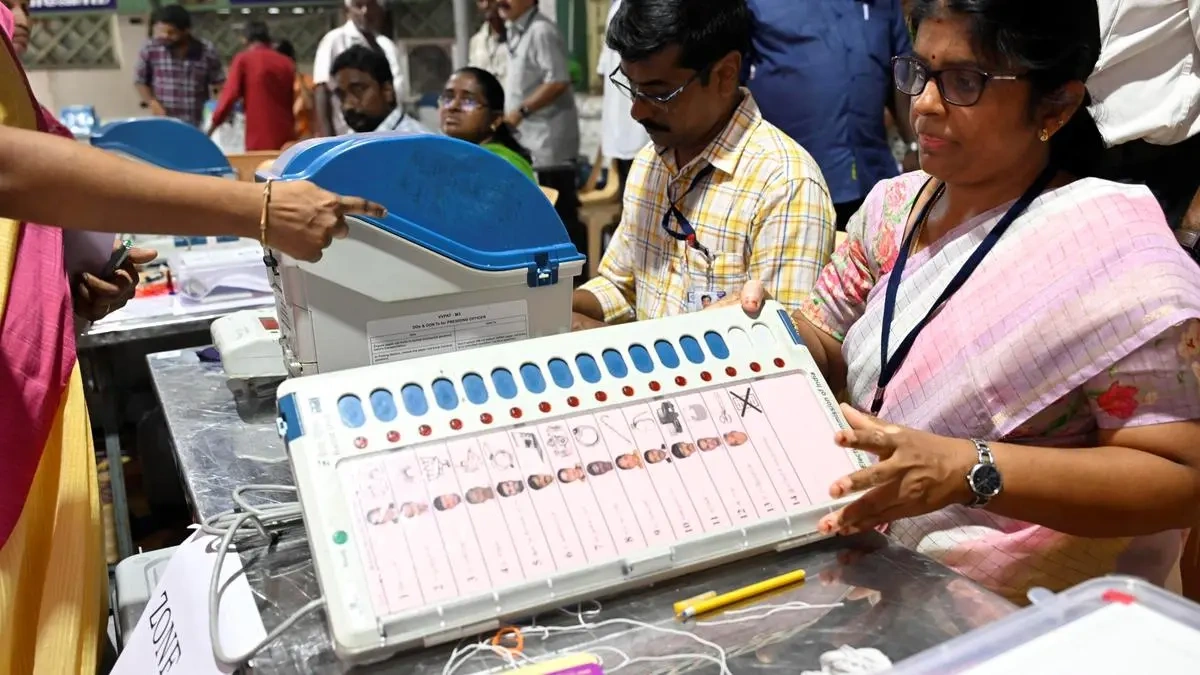
NDTV’s coverage highlights that BJP leaders, including Suvendu Adhikari, credited the outcome to “Hindu consolidation” and Adivasi‑votes, arguing that the electorate had rejected TMC‑rule‑linked “misrule” and demographic‑fears. The Election Commission reported a record‑turnout of 92.84 per cent, the highest in an Assembly‑poll, underscoring the intensity of the BJP‑TMC‑face‑off despite the SIR‑process that deleted 90 lakh names from the voter‑rolls, a move the TMC heavily protested.
The BJP’s narrative of nationalism, anti‑infiltration, and security‑centric governance resonated with Hindu‑majority pockets and sections of the urban middle‑class, while the TMC’s welfare‑focused and “Bengali‑pride” storyline lost its hegemonic grip. The verdict reflects a qualitative shift in Bengal’s politics, aligning the state more closely with the Modi‑era map.
Implications for Bengal and the BJP‑India story
The West Bengal Assembly Election Results 2026 herald the end of Mamata Banerjee’s 15‑year dominance and the beginning of a BJP‑led government that will likely be led by Suvendu Adhikari or a key BJP‑Bengal‑centric chief. The outcome signals that the BJP’s polarised‑messaging and organisational‑push can now dislodge a strong regional incumbent in a complex, multi‑identity state, reshaping the federal balance.
At the national level, the verdict reinforces the BJP’s narrative of governance‑continuity and consolidates its claim to represent the “new India” in historically Congress‑and‑Left‑dominated regions. For the Congress‑led INDIA‑bloc, the result underscores the need to rebuild in the eastern belt and recalibrate its leadership‑and‑alliance‑strategy ahead of the next Lok Sabha elections.